



 sales@resultfirst.com
 +1-888-512-1890
5 SEO Concepts to Master in 2026

SEO is no longer driven by keyword placement or mechanical optimization. Modern search engines evaluate content based on meaning, intent, clarity, and usefulness. Pages are interpreted as structured explanations of topics rather than collections of optimized phrases.
To succeed in this environment, SEO professionals must master concepts that reflect how search systems understand information today. These concepts are not short-term tactics or platform-specific tricks. They are durable principles that determine visibility across traditional search results, AI-assisted answers, and evolving discovery interfaces.
Below are five essential SEO concepts to master to remain competitive in modern search landscapes.
1. Master Topic Architecture, Not Keyword Placement
Keyword placement was once the foundation of SEO. Pages ranked by repeating phrases in titles, headings, and body text. That approach no longer reflects how search engines evaluate content.
Modern search systems, including those used by Google, interpret pages as structured topics made up of clearly related subtopics. Instead of asking how many times a keyword appears, search engines evaluate whether a page explains a subject thoroughly and coherently.
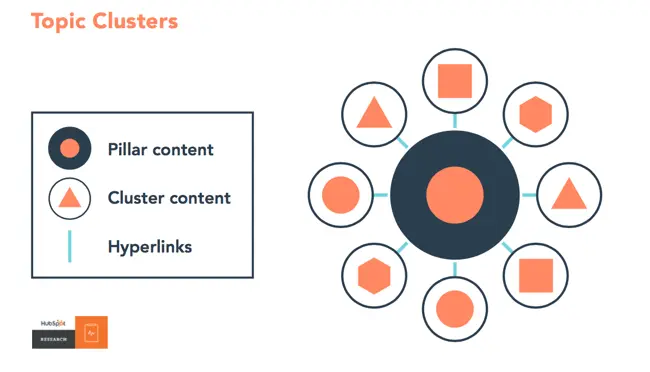
Source: HubSpot
How modern topic architecture works
-
One page focuses on one primary topic
-
Supporting sections clearly explain key subtopics
-
Headings act as semantic signals, not keyword containers
-
Content is structured into clear, interpretable blocks
Search engines use:
-
Title tags to identify the main subject
-
Headings to understand section-level meaning
-
Content structure to map relationships between ideas
Example
Primary topic:
How to Choose a DSLR Camera for Beginners
Supporting subtopics:
-
Understanding beginner photography needs
-
Core DSLR features explained
-
Camera brands and model comparisons
-
Ease of use and learning curve
-
Accessories and kit lenses
-
Long-term support and warranties
When your content follows a clear topic hierarchy, it becomes easier for search engines to interpret and easier for users to navigate.
2. Optimize for Search Intent, Not Topic Coverage
Covering everything related to a subject does not automatically improve SEO performance. In many cases, excessive coverage reduces clarity and weakens alignment with what users are actually looking for.
Modern SEO prioritizes search intent over volume of information. A page should exist to solve one primary problem for the user, not every possible problem related to the topic.
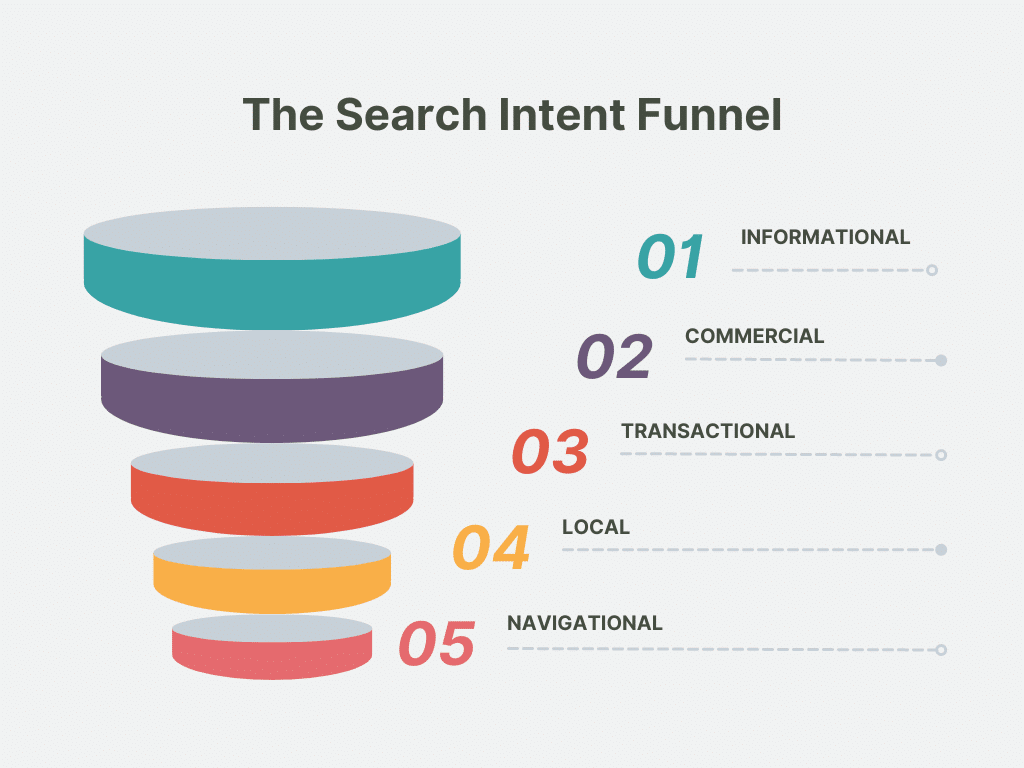
Source: Infintech Designs
Why intent matters more than depth alone
Every search query reflects a specific goal:
-
Learning something
-
Comparing options
-
Making a decision
-
Completing an action
If your page does not match that intent, it will struggle to perform regardless of length or keyword usage.
Example
Topic: Step-by-Step Guide to Choosing the Best Gaming Laptop
This does not mean covering:
-
The entire history of gaming laptops
-
Every type of laptop available
-
Unrelated performance benchmarks
Instead, the content should focus on decision-making factors, such as:
-
Hardware requirements for gaming
-
GPU and CPU selection
-
Display performance
-
Cooling systems
-
Portability versus power trade-offs
When writing or auditing content, always ask:
-
What decision is the user trying to make?
-
What information removes uncertainty?
-
What helps them move forward confidently?
3. Use Visuals as Meaning Enhancers, Not Decorations
Images are no longer optional design elements. They play an active role in how content is interpreted, trusted, and surfaced in modern search environments.
Visuals help users understand complex ideas and help search systems contextualize information within a page.
Why visuals matter today
-
They support content interpretation
-
They reinforce topical relevance
-
They improve engagement and comprehension
-
They increase eligibility for visual and AI-assisted search features
Best practices for visual SEO
Do:
-
Use images that directly support the content section
-
Keep the main subject clearly visible
-
Use descriptive alt text aligned with the topic
-
Add images where explanation benefits from visuals
Avoid:
-
Generic stock images
-
Overcrowded or unclear visuals
-
Images added only for decoration
-
Irrelevant visuals that distract from the message
Images should clarify meaning, not simply fill space.
4. Prioritize Information Gain Over Content Volume
Publishing more content is no longer a reliable path to better rankings. Search engines increasingly reward pages that contribute meaningful progress to a topic rather than repeating what already exists.
This concept is known as information gain.
What information gain means in modern SEO
Search engines increasingly evaluate:
-
What new insight the page provides
-
Whether it advances understanding of the topic
-
If it adds value beyond existing results
Content that rephrases what already exists rarely performs well.
Ways to demonstrate information gain
-
Original frameworks or explanations
-
First-hand experience or observations
-
Clear opinions supported by logic
-
Practical examples and use cases
-
Deeper clarification of complex concepts
Being “unique” is no longer enough. Content must be useful in a way others are not.
5. Use People Also Ask as Validation, Not Direction
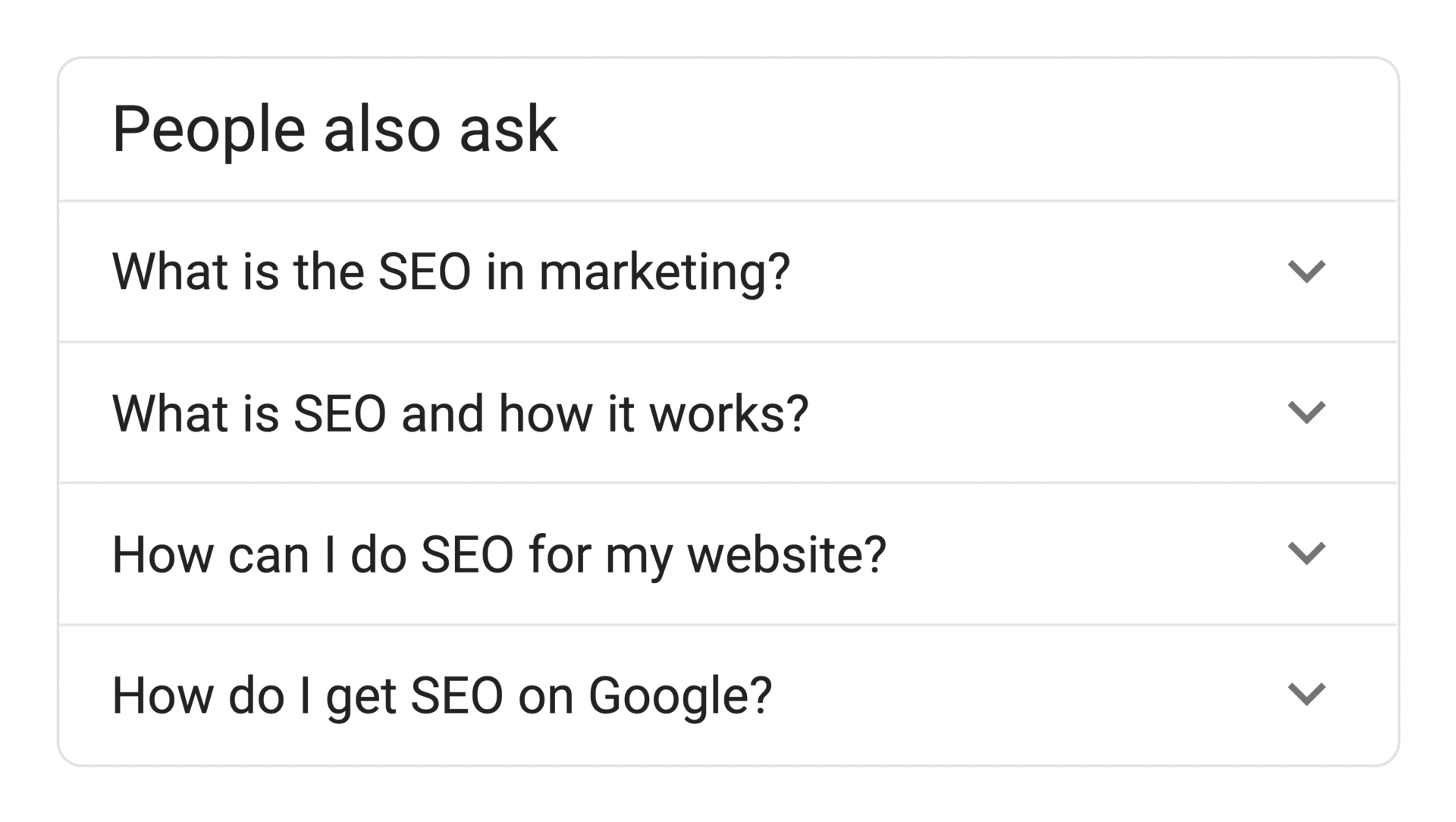
Source: Backlinko
The People Also Ask section reflects common questions users have, but it does not define what every page should cover.
What PAA is good for
-
Identifying common user questions
-
Supporting existing content sections
-
Validating real search demand
What PAA should not do
-
Define your page structure
-
Expand your topic beyond intent
-
Turn focused content into scattered coverage
Some PAA questions exist to help users explore alternative paths, not deepen the current one.
Better validation sources include:
-
Customer support questions
-
Sales conversations
-
Community discussions
-
Search Console performance data
Conclusion:
Modern SEO is built on clarity, intent, and usefulness rather than mechanical optimization. Search engines evaluate how well content explains a topic, supports user decisions, and contributes meaningful information. Brands that focus on topic architecture, intent alignment, visual clarity, and information gain are better positioned to earn sustained visibility across both traditional and AI-driven search experiences. This approach is central to how ResultFirst helps businesses build resilient SEO strategies that scale with evolving search behavior.
As search continues to prioritize understanding over repetition, working with a team that applies SEO as a system rather than a checklist becomes increasingly important. ResultFirst focuses on creating structured, intent-driven content ecosystems designed for long-term performance, not short-term gains. If you are looking for a trusted SEO services provider that aligns strategy, content, and search intelligence for sustainable growth, connect with the ResultFirst team to take the next step.
Contact us today or call us at +1-888-512-1890 to learn more.
WHAT TO READ NEXT
READY TO BUILD PREDICTABLE ORGANIC GROWTH?
We are the only TOP SEO services agency providing Real Results in a Real Performance model. We help growth hungry companies outperform their competition and achieve 300%+ growth in their digital marketing initiatives.
- San Jose, CA, 95120

- +1-888-512-1890

- sales@resultfirst.com

0K+
KEYWORDS RANKED
0M+
REVENUE GENERATED
0 Years
SOLVING COMPLEX SEO
0+
TEAM MEMBERS