



 sales@resultfirst.com
 +1-888-512-1890
Content Marketing Strategies for Local SEO That Help Businesses Get Discovered

When people need a dentist, a plumber, or a café, they start with a local search. They want quick answers, and they trust what they see in map results.
That is why your content must do more than sound nice. It must help search engines and real people understand where you are and why you matter. Given that 4 in 5 people use search engines to find local businesses, it’s even more important to optimize for them.
In this guide, you will learn content marketing strategies for local SEO that fit small teams. You will turn everyday knowledge into page posts and updates that bring steady visits.
Meanwhile, you will connect each piece to local intent to drive calls and bookings. You do not need to publish every day, but you need the right topics, the right structure, and a habit of improving what already works.
Read More: Local SEO Strategy: Best Practices for Local Search Growth
Start With Local Search Intent
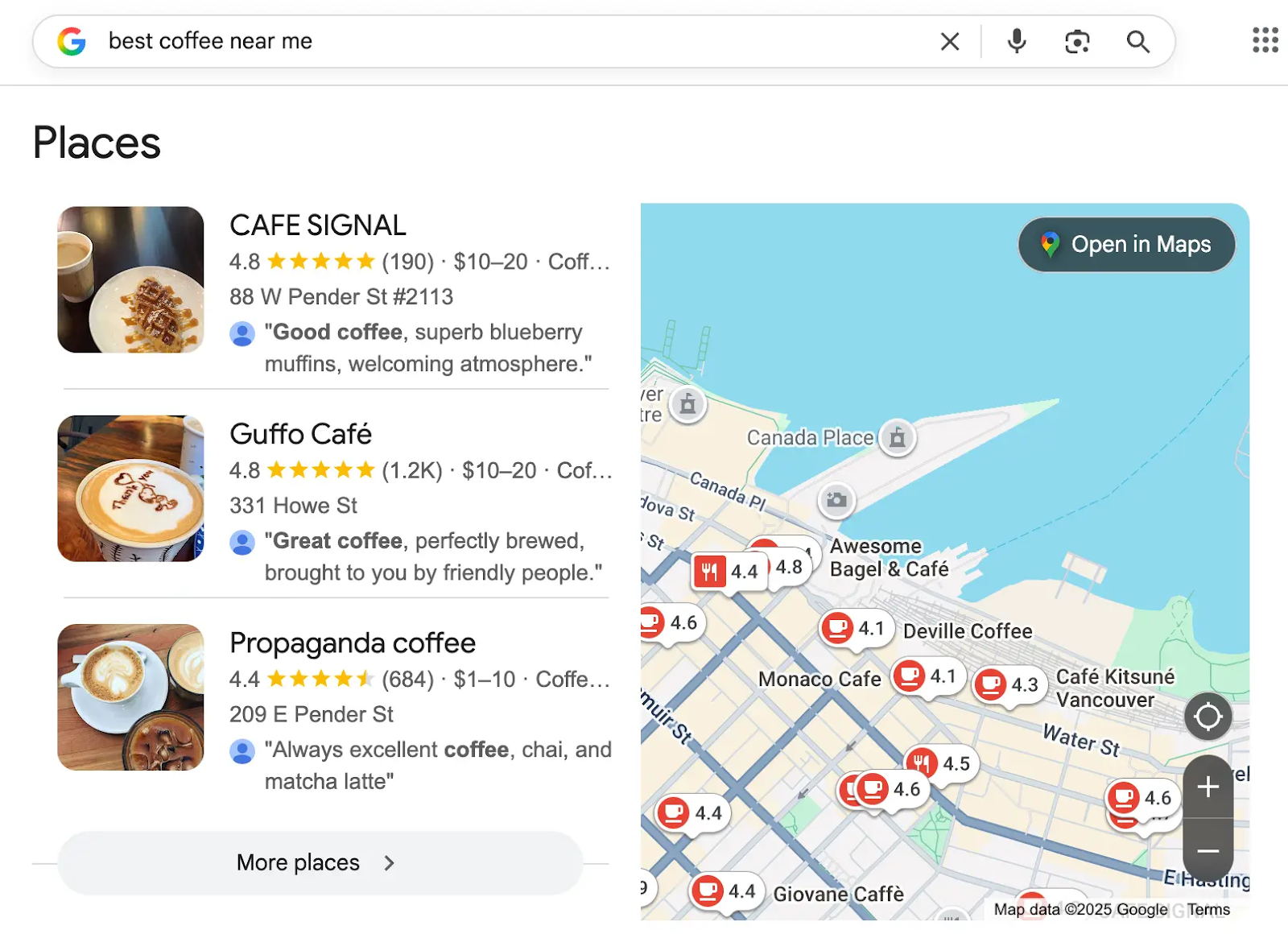
Local SEO begins with the questions people ask right before they buy. This is the first of the many content marketing strategies for local SEO that you must focus on. They search with city names and neighborhood names. They also search for near-me terms and urgent needs, such as emergency repair or same-day pickup.
This aspect is important. In fact, 37% of organic search results are business directories for informational local-intent search terms.
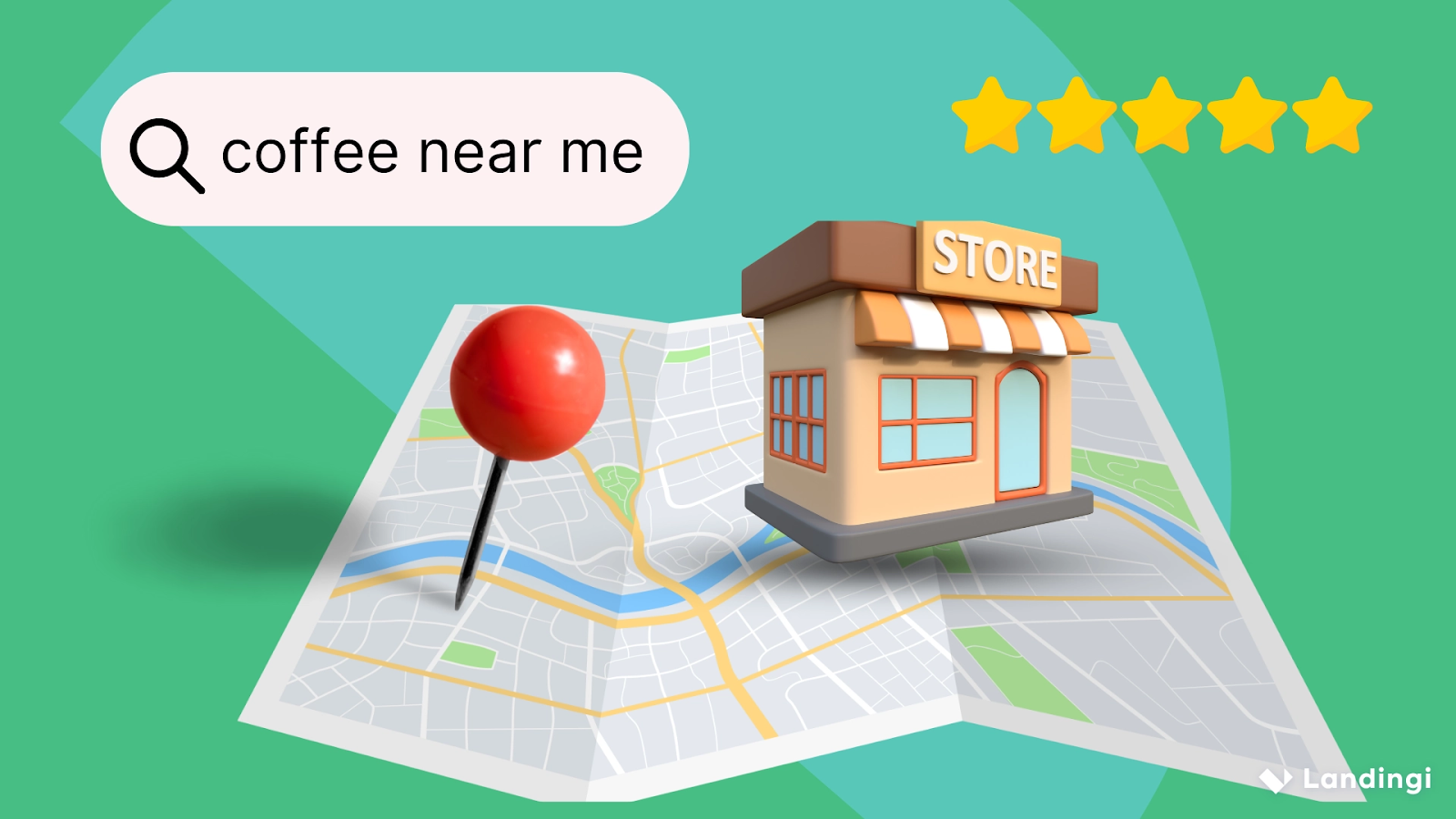
Source: Landingi
So, your content plan should start with intent. Here’s the deal: use a short list to capture what people need and when they need it.
- Write down your core services in plain words.
- List the moments when people need each service.
- Note urgent triggers such as storms or heat waves.
- Note routine triggers such as weekends or school terms.
For instance, a roof leak search often happens during heavy rain, and a kid’s haircut search often happens on a Saturday morning. When you connect services to moments, your content feels more useful.
Plus, focus on details that show local relevance. To do that, mention service areas in a natural way, explain parking and entrances, explain public transport options if they matter, share pricing ranges when you can, and mention what makes your approach different in your town.
As a result, search tools can connect your page to local needs. At the same time, readers feel understood and ready to act.
Build A Local Topic Map
Many local sites post random blogs and hope something ranks. However, local visibility grows faster when you build a topic map.
A topic map is a set of connected pages that cover one service from every helpful angle. So, you can plan it in a simple sequence.
- Start with one strong service page that explains the offer.
- Add supporting pages that answer common questions.
- Add a few guides that cover cost, timing, and what to expect.
- Link the pages in a natural way so readers can move forward.
This structure helps search engines see depth. It also helps readers move from questions to action.
For example, a bakery can have a main page for custom cakes. Then it can add pages for wedding cakes, kids’ birthday cakes, and allergy-friendly options. It can also publish guides about serving sizes, delivery timing, and storage tips.
Meanwhile, each guide points back to the main page. Therefore, a person who starts with a simple question can still end on a booking page.
If you work with a local SEO service provider, ask for a topic map that fits your market. It should use your real services and your real language. It should also match your seasons and your capacity.
As a result, your content becomes easier to plan and easier to improve.
Create Service Pages That Feel Personal
Service pages are the foundation of local search traffic. They should be clear and specific. They should also feel like they were written by people who do the work.

Source: Dribbble
Start with the main promise. Then explain how the service works step by step. Next, add proof with photos, short case stories, and common results. When you show real work, you reduce doubt.
Meanwhile, add local signals without stuffing.
- Include your address and phone number in a consistent format.
- Mention the neighborhoods you serve.
- Add a short section about travel time and scheduling.
- Add a simple FAQ that uses the same words customers use on calls.
Not only that, but use headings that match common searches, such as cost, time frame, and what to expect. As a result, your page can rank for many long tail searches.
Also, make sure each service page has one clear next step. For example, call now, book online, or request a quote. If people must hunt for the next step, you lose them. Therefore, keep the path simple and direct.
Use Location Pages With Real Value
If you serve more than one area, you may need location pages. The key is to avoid thin copy as search engines can ignore pages that feel duplicated. So, each location page must add value.
Source: Durable
Start with what is unique about serving that area. It could be a common issue in older homes. It could be local rules, or it could be typical timelines because of traffic. When the details are real, the page feels trustworthy.
Plus, add local proof. Share work photos from that area or a short story about a job there. Include driving directions and landmarks, and opening hours if they vary.
As a result, each page earns its own signals. It also helps people feel confident that you really serve their area.
If you work with a local SEO agency, ask how they avoid copy-paste location pages. They can use a shared layout. However, the writing and examples should differ. So, you build trust, and you reduce the risk of duplicate content.
Publish Helpful Local Guides And How-To Posts
Blog posts still matter for local SEO when they solve local problems. The best posts answer questions that show buying intent.
For instance, how to choose a moving company in your city. Or how to spot termite signs in a humid neighborhood? Or what permits do you need for a remodel in your area? These posts build awareness. They also pull in links and shares. Over time, they support your service pages.
Meanwhile, keep the writing simple, use clear examples, add local references where they help, mention local weather patterns and common building styles, and mention events that affect schedules. So, the post feels made for your area. It also has a better chance to rank for searches that include your city name.
A steady rhythm helps to publish one deep guide each month. Then publish one shorter post that supports it. Link them together. Share them on your profile and social pages. Consequently, you build growth without burnout.
Turn Google Business Profile Into A Content Channel
Many businesses treat their Google Business Profile as a listing only. However, it is also a content channel. Photos, posts, and updates can influence clicks.
Did you know that customers are 2.7 times more likely to consider a business trustworthy when its Google Business Profile is fully completed?
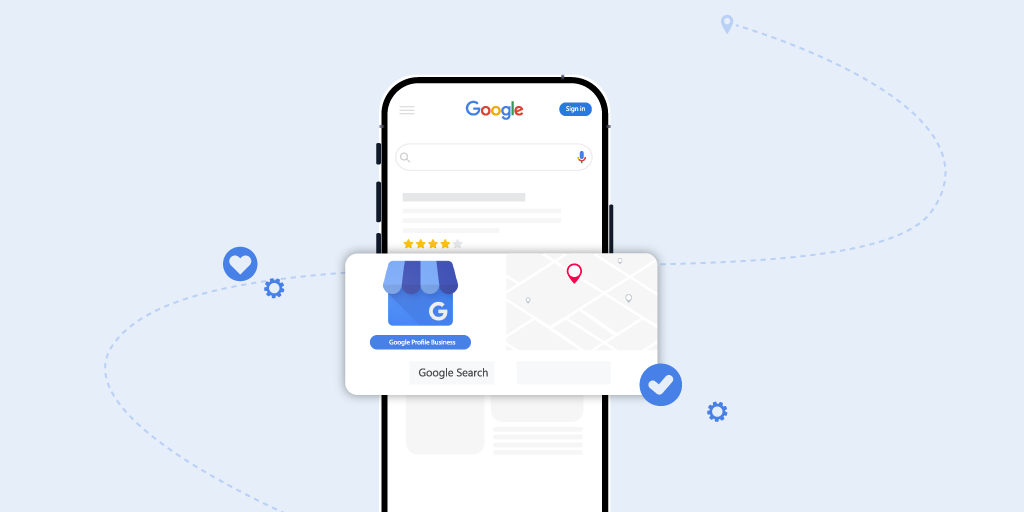
Source: Pinmeto
So, plan simple updates that match what people search for. Moreover, keep the plan light so you can stick with it.
- Turn common weekly questions into short posts.
- Share recent jobs with clear photos and simple captions.
- Use updates for offers and seasonal services.
- Add questions and answers based on real calls.
Meanwhile, you still want each update to guide the reader to a clear next step.
- Share recent work and add short captions that explain what and where.
- Use updates for offers and seasonal services.
- Add questions and answers based on real calls.
Meanwhile, keep your name, address, and phone details consistent across the web. That consistency supports trust and helps your listing perform.
If you are using content marketing strategies for local SEO, do not forget to link your best pages from your profile. Remember to use the right link for each update.
For instance, link a seasonal tip to a guide page. As a result, you send strong signals, and you give people a clear next step.
Read More: Google Business Profile Optimization for AI-Driven Local Search
Earn Local Links With Community Stories
Local links still matter because they show local authority. Yet you do not need spammy tactics. You can earn links by showing up in your community with value. Start with partners you already have.
Think of suppliers, schools, clubs, and charities. Offer a helpful story or a resource they can share. When the content is useful, people want to pass it on.
For example, a gym can publish a beginner plan for a local 5K event. A restaurant can share a guide to local produce markets. A home service business can share a safety checklist for storm season.
Meanwhile, you can pitch these resources to local blogs and community pages. Therefore, you get links that make sense. You also build relationships that bring referrals.
A good local SEO service provider can help you find link opportunities that fit your brand. They can also help you write outreach messages that are polite and clear. However, you should still lead with real help. When the story is genuine, the link often follows.
Use Reviews And User Stories As Content
Reviews are not only for trust. They are also content. They contain fresh words that match how people speak and search.
So, collect reviews often. Ask right after a win. Make it easy with a direct link. Then use reviews in smart ways across your site.
Add review quotes to relevant service pages. Add a case story page that highlights one customer result. Start with the problem. Then show the plan. Then show the result. Add a short quote with permission.
Meanwhile, turn common praise into FAQ answers. For instance, if many reviews mention fast response, you can explain how scheduling works. As a result, your pages feel real and current.
Add Local Schema And On-Page Signals
Content and technical signals work together. Therefore, add the basics.
- Make sure your title tags include the main service and your city when it fits.
- Use one clear H1 per page.
- Write meta descriptions that match intent.
- Add internal links that guide the reader to the next step.
- Keep your images small so pages load fast.
Then add schema markup. LocalBusiness schema can help search tools understand your name, address, phone hours, and service areas. Review schema and FAQ schema can also help when used correctly.
Meanwhile, keep your site mobile-friendly. Many local searches happen on phones. If your page loads slowly, you lose clicks.
A skilled local SEO agency can set up schema and test it. However, you should still review how your pages look on a phone. Real users matter most.
Repurpose Content Across Local Channels
Creating content takes time. Therefore, repurpose what you publish. One guide can become many pieces. Turn it into short social posts. Turn it into a short email for past customers. Turn it into a script for a quick video. Meanwhile, keep the message consistent so people recognize you.
Also, reuse content in the sales process. Send a helpful guide after a quote request. Share a checklist before a visit. Use a case story in follow-ups. As a result, content supports revenue and reduces no-shows.
If you want content marketing strategies for local SEO to work long-term, you need consistency. Repurposing makes consistency easier. It also keeps your team focused on quality instead of volume.
Track Results And Improve Every Month
Local SEO is not guesswork. Therefore, track a few clear signals. Keep the list short so you can review it every month.
- Watch Google Business Profile actions such as calls and direction requests.
- Watch website pages that bring leads.
- Track form fills and phone calls where you can.
- Review which topics drive the most qualified visits.
Then review what content performs best. Look for patterns and adjust.
For instance, a guide might bring many visits but few calls. That may mean the call to action is weak. Meanwhile, a service page might bring fewer visits but more calls. That tells you what people really want. Therefore, improve your top pages first. In addition, refresh them. Update photos. Add new FAQs. Fix outdated hours and pricing. This keeps the page accurate and helps rankings stay steady.
Read More: How to Measure Local SEO ROI for Real Business Growth
Conclusion
Getting discovered locally is not one big trick. It is the result of many small, consistent actions working together. First, you understand what people in your area search for and when they need it. Then you build service pages, location pages, and guides that answer those needs clearly. At the same time, keeping your Google Business Profile active with real updates, photos, and accurate details strengthens trust and visibility.
Over time, this approach earns local relevance through reviews, links, and repeat interactions. When content marketing strategies for local SEO are applied with intent, they create a reliable system for calls, visits, and bookings. As a performance-driven local SEO agency, ResultFirst focuses on turning local search visibility into measurable outcomes by aligning content, technical signals, and ongoing optimization with how real customers search and decide.
WHAT TO READ NEXT
READY TO BUILD PREDICTABLE ORGANIC GROWTH?
We are the only TOP SEO services agency providing Real Results in a Real Performance model. We help growth hungry companies outperform their competition and achieve 300%+ growth in their digital marketing initiatives.
- San Jose, CA, 95120

- +1-888-512-1890

- sales@resultfirst.com

300K+
KEYWORDS RANKED
546M+
REVENUE GENERATED
18 Years
SOLVING COMPLEX SEO
150+
TEAM MEMBERS