-
By Ruchi Pardal

-
 ~ 11 minutes read
~ 11 minutes read
A law firm website should feel calm and fast because people arrive with stress. They want answers to their problems. If pages load slowly or links break, then trust drops right away.
That is why technical SEO for law firms matters. It helps search engines read your site with ease. It also helps real people move from page to page without friction. Plus, a strong technical base supports your content and your local presence.
46% of all Google searches came from people who wanted to research local services too.
Many law firms focus on visible SEO efforts like content and ads, yet technical performance is often underprioritized. Without a strong technical base, even well written pages can struggle to rank and convert.
Legal search is high intent. People search for a divorce lawyer or a personal injury attorney, and they need help at that very moment. And most of them do it on Google, where more than 1 billion people use it to look for what they need.

Image Source: Housing
As a result, Google aims to show sites that load fast and feel safe. It also looks for sites that are easy to crawl and understand.
If your pages are blocked by mistake, then they may not rank even if the content is strong. If your site is slow on mobile, then visitors bounce, and signals get worse over time.
Meanwhile, strong technical work improves speed and stability. It also reduces errors that waste crawl budget. That helps new pages get found sooner. So here is the point: technical improvements often lift many pages at once.
A faster site can improve engagement and lead form starts. A cleaner structure can help practice pages rank in more queries. So, technical work is not a side task because it is the base layer of growth.
Before you fix anything, you need to see what is broken. Start with a crawl using a tool like Screaming Frog or Sitebulb. If you do not have one, then use Google Search Console plus a few manual checks.
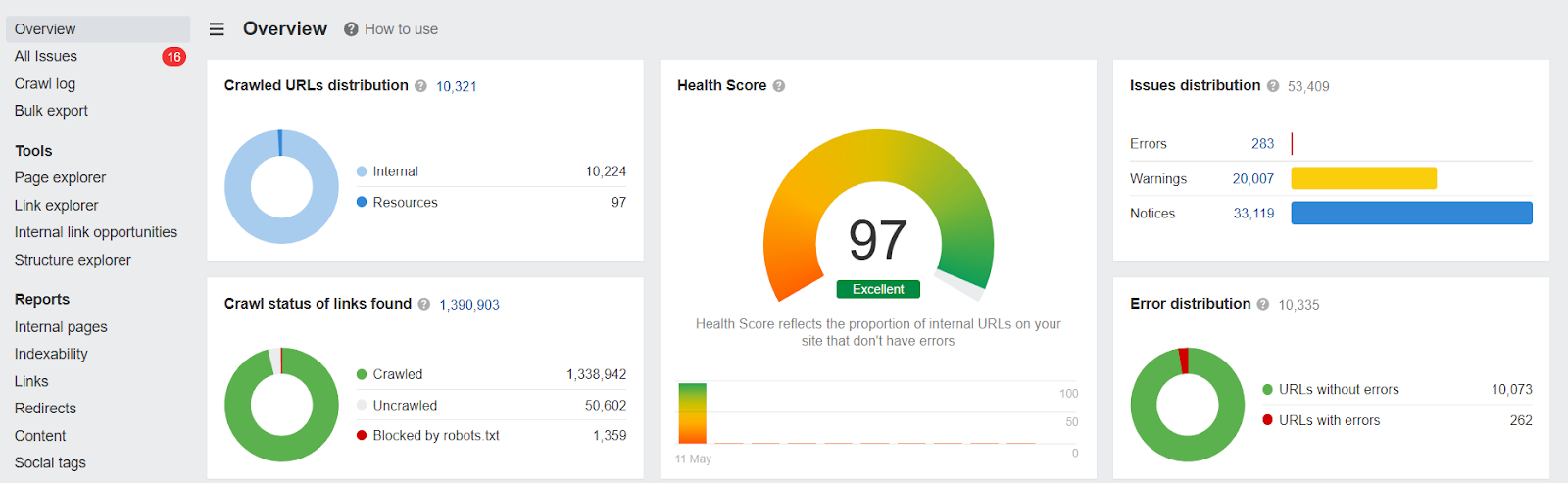
Image Source: Zapier
Look for these common issues.
After that, run a speed test using PageSpeed Insights. Focus on mobile first. Note the Core Web Vitals results. Also, check if images are too large and if scripts block rendering.
Then review these setup files.
A clear audit list keeps the work calm and focused.
Law firm sites often grow in a messy way. New practice pages get added, old blog posts stay, and location pages are created fast.
Over time, the site turns into a maze. Search engines can still crawl it, but they may not understand it well. Visitors also struggle to find the right next step.
You should start by mapping your main services. Then group them into practice areas. For instance, you may have Personal Injury with pages for car accidents and slip and falls.
Next, add locations if you serve more than one city. Keep the structure shallow and try to keep key pages within three clicks from the home page.
Use clean URLs that match the structure, avoid long strings and random numbers, and use words that people use. For example,/practice-areas/personal-injury/ works well.
Also, pick one version of each URL. Decide on trailing slash or not and www or not. Then keep it consistent.
This is where technical SEO for law firms shows its value. A clear structure improves crawling and helps you build strong internal links. It also makes analytics cleaner, so you can track what works.
If search engines cannot crawl a page, then it cannot rank. So focus on crawl access and index signals.
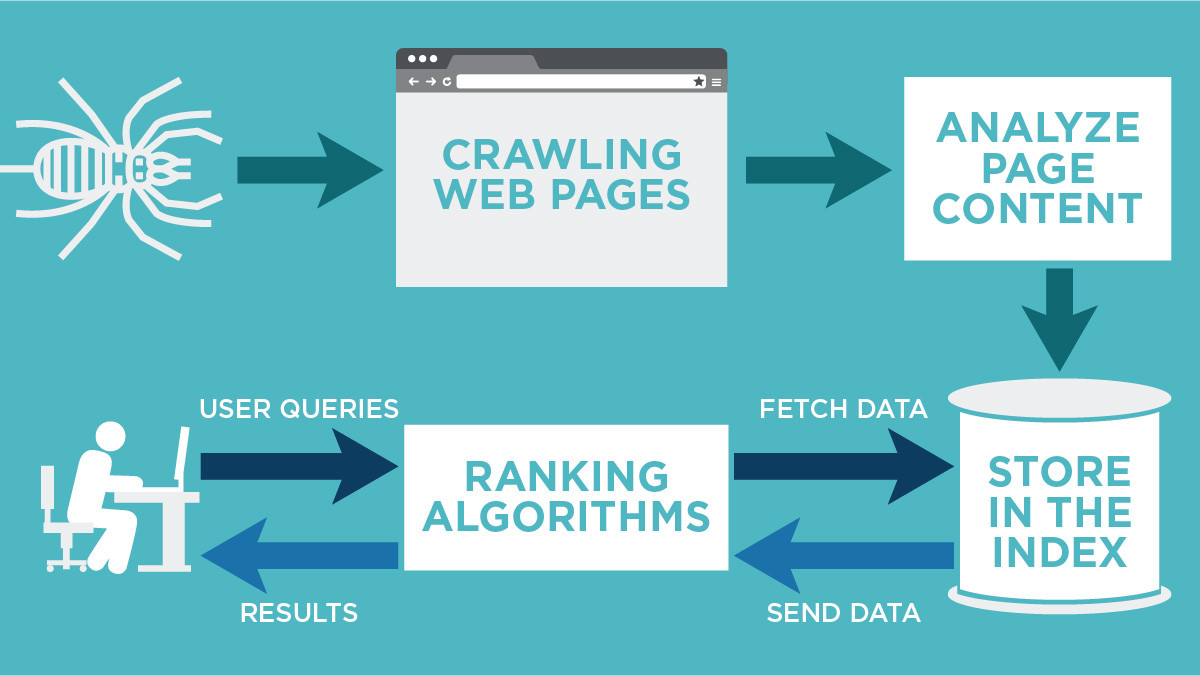
Image Source: Surgeon Advisor
First, review your robots.txt file. Make sure it is not blocking key directories. Also, check for noindex tags on important pages. These mistakes happen during redesigns.
Next, confirm that your XML sitemap includes the pages you want indexed. Remove thin or duplicate pages from the sitemap.
Then look for duplicate content caused by URL parameters. This can happen with tracking links or filters.
Use canonical tags to point to the main version. Also set preferred parameters in Search Console when needed.
Redirects matter too. If you changed URLs, then use 301 redirects. Do not chain multiple redirects, as doing it as one clean step is best.
Also, fix internal links that point to redirected pages. That reduces load time and improves crawl flow.
Many SEO Services for Attorneys include these checks. Still, you should know what is being fixed and why.
When you understand the basics, you can spot problems early and avoid repeated mistakes.
Speed is not just a nice feature. It is a ranking factor and a conversion factor. If your site feels slow, people leave. If it shifts as it loads, people misclick. If it locks up on mobile, people give up.
Start with the biggest wins.
For Core Web Vitals, focus on three measures.
This is the second place where technical SEO for law firms pays back fast. A few speed fixes can improve every page. That means more calls and more form submissions from the same traffic.
Most legal searches happen on phones, as 54% of the world’s total internet traffic comes from mobiles. People search on the move or between tasks. So mobile can not be an afterthought.

Image Source: OpenDesignsIn
Use responsive design and test across screen sizes. Make buttons easy to tap. Keep menus simple. Use readable font sizes. Also reduce popups that cover the screen. They annoy users and can trigger issues in search.
Check mobile speed again after each change. A page can be fast on a desktop and slow on mobile. Mobile networks vary. So keep pages lean.
Also watch for mobile specific errors in Search Console. Fix any viewport issues. Remove content that is wider than the screen. Make sure your click-to-call phone number works. Not only that. Confirm that forms are easy to use. Short forms often convert better in legal services.
Law firm sites handle sensitive topics. So security is part of user trust and part of SEO.
Use HTTPS everywhere. Make sure the whole site redirects from HTTP to HTTPS. Also, avoid mixed content. Mixed content means some assets load over HTTP, and that can trigger browser warnings.
Keep plugins and themes updated if you use a CMS. Use strong passwords and two-factor login. Set regular backups. Add a web application firewall if possible.
Trust is also shaped by stability. If the site goes down often, then Google sees errors. Users also lose patience. Monitor uptime and fix hosting issues quickly.
If you work with an SEO partner for attorneys, ask how they handle security checks. They may not manage your server, but they should flag risks. Security is not only an IT task. It is also part of organic performance.
Structured data helps search engines understand your firm. It can also unlock rich results. For law firms, the key is to mark up your organization and your locations.
Use a schema that fits your site.
If you publish FAQs, then use the FAQ schema only on pages that truly include questions and answers. If you show reviews, then follow Google rules and only mark up reviews you host on your own site.
Test your markup with Google rich results tools and fix errors. Keep the schema simple so it does not break during redesigns.
This is where technical SEO meets branding for a legal site. When your information is clear in code, it becomes clearer in search. People can choose you faster.
Small details can add up. So set standards and apply them across the site.
First, write unique title tags for key pages. Use your practice area and your city when relevant. Keep titles readable. Next, add meta descriptions that set expectations. Descriptions do not directly boost rankings each time, but they can improve clicks.
Use one H1 per page and make it match the main topic. Use H2 and H3 for structure. This helps both readers and search engines.
Check for thin pages. If a page has little value, then improve it or merge it. Do not keep many near-duplicate pages just to target more keywords. That can dilute quality.
Also, manage your internal linking. Link from blogs to practice pages when it helps the reader. Link between related practice pages. Use descriptive anchor text. However, keep it natural.
Technical work is not a one-time project. Sites change. Plugins update. Pages get added. So you need a simple system.
Review performance every month.
Do deeper maintenance every quarter.
If you use SEO Services for Attorneys, ask for a technical maintenance checklist. You want clear tasks and clear reporting. That keeps your investment steady.
If you want more than surface level fixes, our specialized Law firm SEO services are built to strengthen your site from the ground up.
At ResultFirst, we audit, optimize, and maintain the technical foundation that drives sustainable rankings and qualified leads. Let’s build a faster, stronger website that turns legal searches into real client inquiries.
Technical work may feel invisible, but it shapes every client interaction online. When your website loads fast, stays secure, and performs smoothly on mobile, visitors trust your firm before they even call. Search engines reward that stability with stronger visibility.
The goal is simple. Remove friction. Keep your structure clean. Maintain speed and security. Use schema to clarify your services and locations.
When these foundations are strong, rankings improve and conversions follow. That is the real power of technical SEO for law firms. Consistent technical maintenance ensures your website remains competitive, credible, and ready to convert legal searches into client inquiries.
Some fixes help right away like faster pages and fewer errors. Ranking gains often take a few weeks as Google recrawls the site.
Not always. Many firms see big gains by compressing images improving hosting and cleaning up redirects.
Start with images and script bloat. Then add caching and check server response time. These steps usually deliver the fastest wins.
Use Google Search Console. Check the pages in the URL Inspection tool. Then confirm they are listed in your sitemap and not blocked.
Do a light check every month and a deeper crawl every quarter. Also review after any redesign plugin change or large content update.
Our Pay for performance SEO programe helps companies
achieve impressive results


