



 +1-888-512-1890
Best Local SEO Strategies for Healthcare Systems to Increase Patient Discovery

Patients often start their care journey with a quick search on a phone. They look for a nearby clinic, a specialist, or a hospital that feels trusted. So local search can decide who gets discovered first.
Healthcare systems also face a unique challenge. They often have many locations, many service lines, and many providers under one brand. That complexity can confuse search engines and patients if the online details do not match.
The good news is that local visibility is not only about tricks or shortcuts. It is about clear signals, consistent information, and helpful content that answers real needs.
This guide explains practical steps that improve discovery for hospitals and health networks, and each step can be measured.
Before we go deeper, you may want to explore our detailed local SEO guide for a clear overview of the fundamentals.
Understand How Patients Search Locally
Local search for healthcare is shaped by urgency, trust, and convenience. People search for symptoms, specialties, and services. They also search by city, neighborhood, or near me.

Image Source: Today’s Business
So your SEO work should match that language. Start by listing the top patient intents for each major service line. For instance, urgent care searches differ from cardiology searches.
Next, map those intents to pages that can answer them. If patients search for walk-in care, then a page should clearly explain hours, services, insurance, and when to go to the ER.
In addition, remember that patients often compare options fast. They scan ratings, location, hours, and appointment options. So you need strong local listings and pages that load quickly and feel easy to use.
As a result, patient discovery improves because people can choose you with less friction.
Build A Strong Location Page System
For a healthcare system, location pages are the core of local visibility. Each facility needs its own page that is easy to find and easy to understand. It should include the name, address, phone, hours, and directions.
Add parking details, public transport tips, and accessibility information. Include the main services offered at that location and link to deeper service pages.
However, location pages should not be thin. Add real details that patients need. Mention the care team types, common conditions treated, and what to bring.
If you have online booking, make it visible near the top. If booking is by phone, make the phone number clickable on mobile.
Also, avoid duplicate content across locations. Use a clear template, but write unique paragraphs for each site. Mention nearby landmarks and local neighborhoods in a natural way. That helps search engines understand coverage areas, and it helps patients feel you are truly local.
Get Google Business Profiles Right
Google Business Profile is often the first thing patients see. It shows your name, location, hours, reviews, and updates. So accuracy matters.
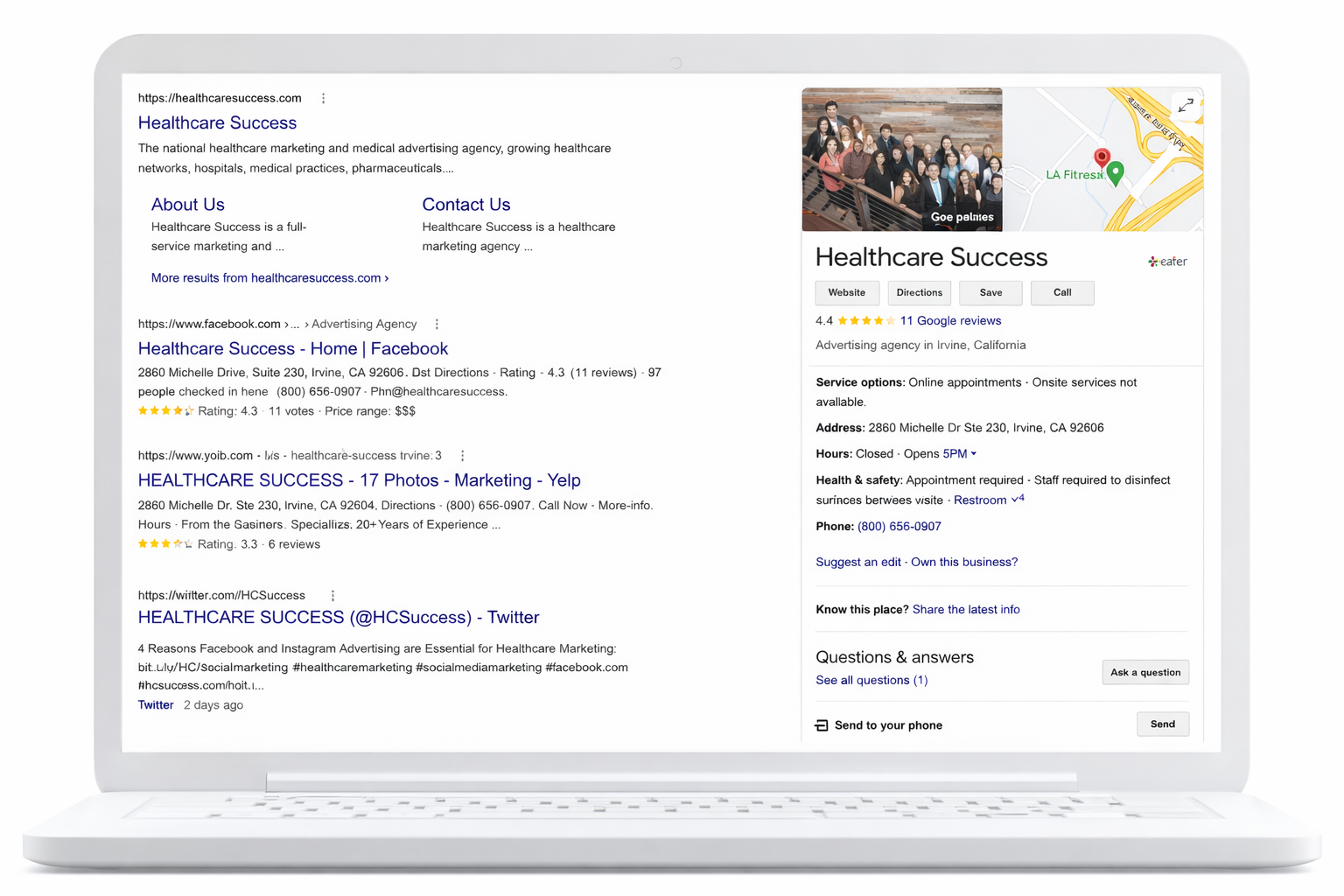
Image Source: Healthcare Success
- Create or claim profiles for each eligible location.
- Set a governance process so edits are controlled and approved.
- Choose the right categories for each location so that a hospital, clinic, and imaging center are not mixed.
- Add services and relevant attributes such as wheelchair access.
- Upload clear photos of the exterior, reception area, and signage so patients can confirm they are in the right place.
- Use posts for timely updates like flu shots, new hours, and community events.
Meanwhile, the real win for multi-location systems is consistency. Your listings should match your website and directory data. This is one of the Best local SEO strategies for healthcare systems because it reduces confusion and improves trust at the moment of choice.
Learn how to fully optimize listings in our guide on Google Business Profile Optimization in the Age of AI Search and Local Discovery.
Fix NAP Consistency Across The Web
NAP means name, address, and phone. In healthcare, small differences can break trust and rankings.
A suite number missing in one directory can send a patient to the wrong door. So build a single source of truth. Keep a master record for every location and provider group. Then push updates from that record.
Audit your top citations first. These include major directories, mapping apps, and industry sites. Correct duplicates and remove old listings for closed locations.
Also, check department listings within large campuses. If the main hospital address is correct but the outpatient clinic address is wrong, then patients get lost.
In addition, match your formatting across channels. Use the same abbreviations and phone number style. Use local phone numbers for local clinics where possible. That makes it easier for patients, and it supports local relevance.
Manage Reviews With Care And Consistency
Reviews influence both rankings and patient decisions. Yet healthcare reviews require sensitivity. You must protect privacy and follow policies. Still, you can build a healthy review program.
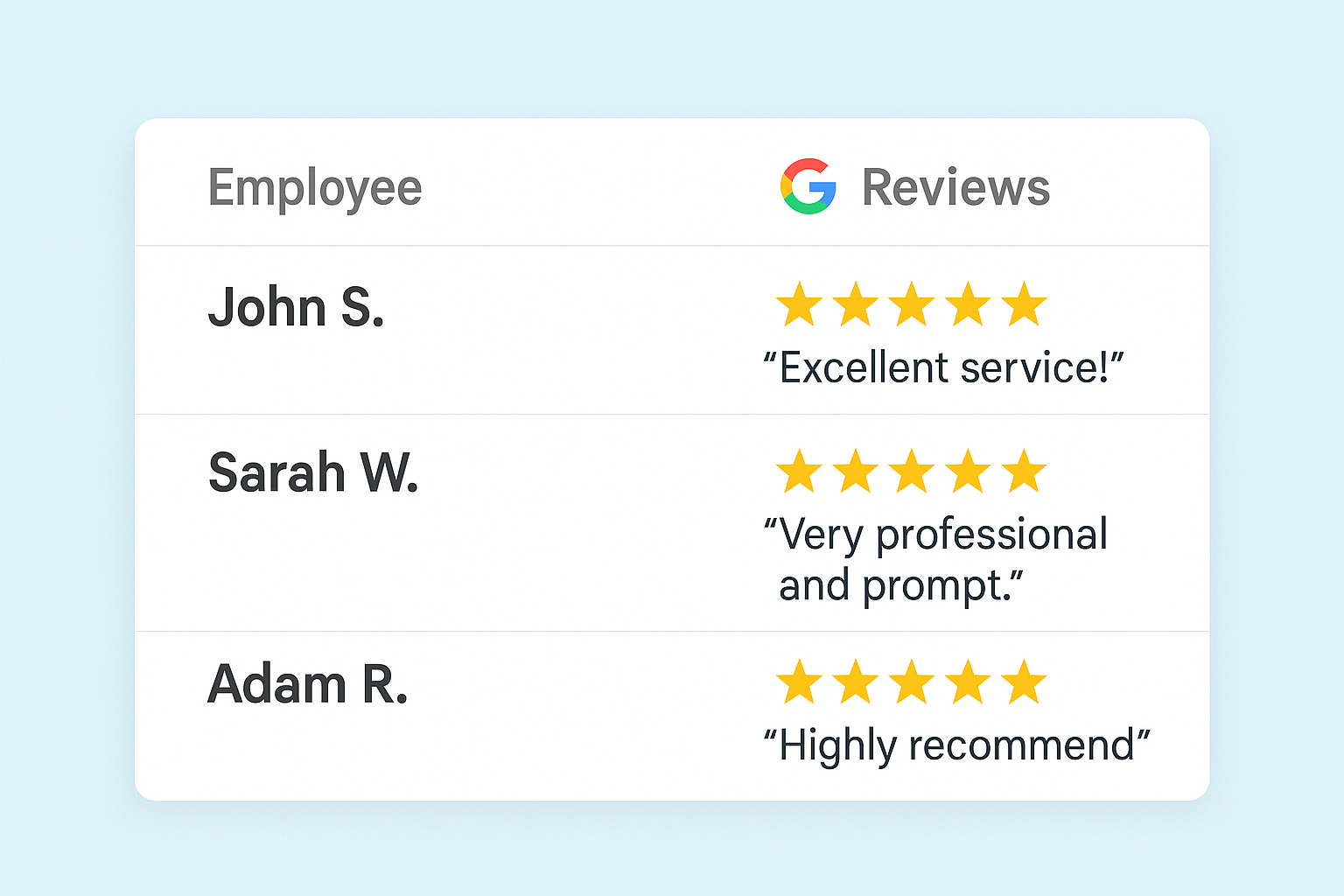
Image Source: Merchynt
- Make feedback easy to leave with simple follow-up messages, where allowed.
- Link patients to the correct profile for the correct location.
- Train staff to ask in a friendly way and explain why feedback matters.
- Monitor reviews often so you can respond quickly.
- Reply without confirming patient details and invite offline contact through patient relations.
Also, look for patterns in what people say. If several reviews mention long waits, then address that operationally. As a result, you improve experience and ratings over time. That is not only good for SEO. It is good for care quality.
Create Service Pages That Support Local Intent
Many systems rely on location pages alone. But service pages often rank for high-value searches. So build strong service line pages and connect them to local options.
A service page should explain what the service is, who it helps, and what to expect. Use simple language. Add FAQs that match real questions. For example, a physical therapy page can explain referral needs, visit length, and insurance basics.
Then add a local finder or clear links to relevant locations. Let patients pick the closest place for that service. Also, add provider highlights where appropriate. However, avoid creating hundreds of thin service plus city pages. That can look spammy. Instead, focus on strong core pages with helpful local paths.
If you work with local SEO service providers, you can align these pages with keyword research and patient intent. However, the content still needs to sound human and be accurate.
Optimize Provider Profiles For Discovery
Provider searches are common. People search for a doctor, a name, or a specialty near them. So, provider profiles should be well structured.
Each profile should include the provider name, credentials, specialties, and clinical interests. Add accepted insurance where possible. Include office locations, phone, and booking links. Add a short bio written in plain language. Mention conditions treated and patient focus areas.
In addition, use schema markup for physicians and organizations. This helps search engines read your data. Also, ensure the profile is indexable and not blocked by technical settings.
Meanwhile, avoid duplicate provider pages. If a provider practices at multiple sites, then keep one main profile and list all locations clearly. That helps both users and search engines.
Use Local Content That Builds Trust
Healthcare content should educate and guide. Local content can also show community involvement. This helps discovery and reputation.
Create articles that answer common local questions. For instance, when to use urgent care versus the ER. Or how to prepare for a same-day appointment. Add local context when it truly helps. Mention local vaccination events or school sports physical needs.
Also consider location-based community pages. Highlight health fairs, screenings, and partnerships. Share stories about new services launched in a specific area.
Not only that, create content that supports different stages of care. For example, a guide for first-time patients, a surgery prep checklist, and post-visit resources. Then link these guides from the location pages and service pages. So patients find what they need and stay on your site longer.
Improve Mobile Experience And Page Speed
Local healthcare searches happen on mobile. So speed and usability are not optional. A slow page can lose a patient before they even read your content.
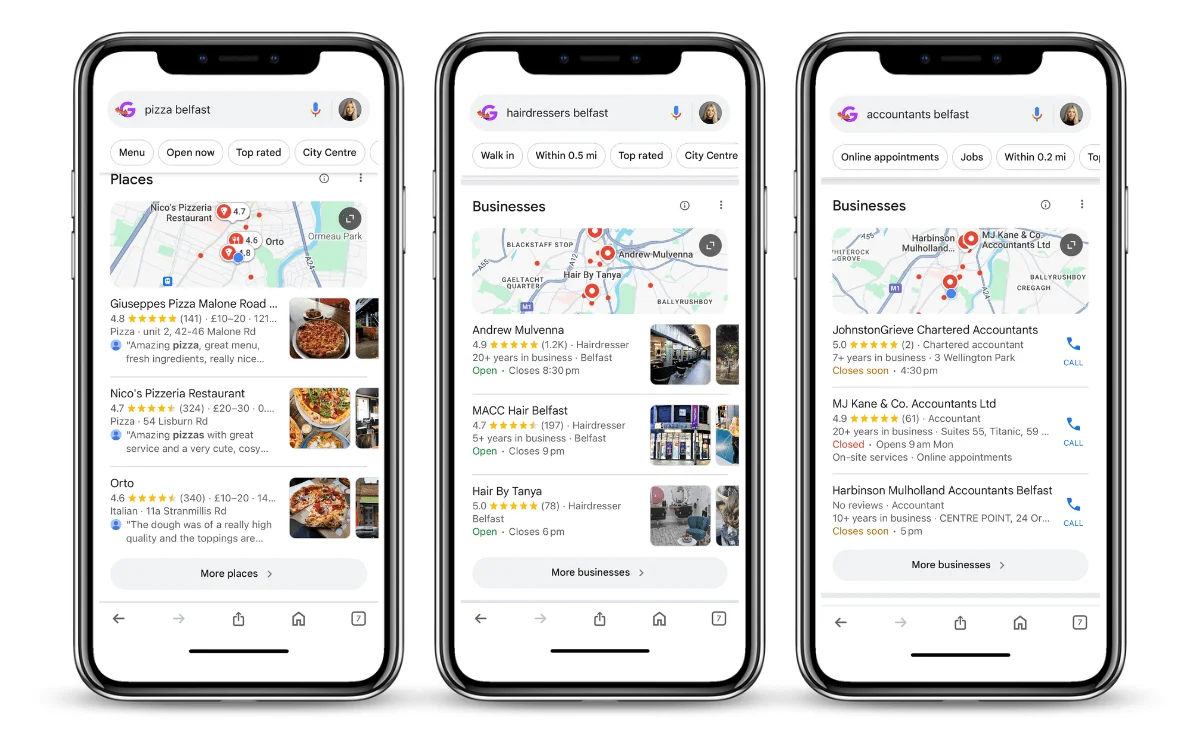
Image Source: CodeFixer
- Use fast hosting and compress images.
- Reduce heavy scripts and remove tags you do not need.
- Make the call and directions buttons easy to tap.
- Keep appointment request forms short and explain what happens next.
- Monitor Core Web Vitals and fix the largest issues first.
In addition, test key pages on real phones. Check if the path from search to booking feels calm and clear. As a result, your pages load faster, patients take action more often, and rankings can improve.
To strengthen mobile performance and search visibility, take a look at our mobile SEO guide.
Strengthen Internal Linking Across The System
Large healthcare sites can feel like mazes. Internal linking helps patients move smoothly. It also helps search engines understand relationships.
Link from location pages to key service pages. Link from service pages to the nearest locations offering that service. Link from provider pages to relevant services and locations.
Use clear anchor text. Avoid vague links like click here. Instead, use phrases like view cardiology locations or meet our orthopedic team.
Meanwhile, build hub pages for major regions. A regional hub can list locations, key services, and featured providers. This supports discovery for searches like a hospital system in a specific county.
Add Structured Data For Local Entities
Structured data helps search engines interpret your pages. For healthcare, it can support rich results and a better understanding of your locations.
Use LocalBusiness or Hospital schema where appropriate. Add address, phone, and opening hours. Use the Physician schema for provider profiles. Also consider MedicalOrganization and MedicalClinic types when they fit.
However, do not add a schema that does not match reality. Accuracy matters. Validate markup with testing tools. Then monitor search results to see changes over time.
This technical layer is often part of the Best local SEO strategies for healthcare systems because it improves clarity at scale.
Learn How Structured Data Supports AI Search.
Work with ResultFirst
If patient discovery is a priority for your healthcare system, ResultFirst delivers structured, performance-focused local SEO services designed to turn visibility into measurable growth. We align listings, location pages, provider profiles, reviews, and tracking so patients can find the right care path with less friction.
Our approach focuses on real outcomes such as calls, direction requests, and appointment bookings, not vanity metrics. We also help establish governance processes that keep your data consistent and scalable across every facility.
Conclusion
Local search is now a key doorway into care. When your locations are clear online, patients can find the right place fast. When your service pages guide them, they feel more confident.
When your provider profiles are complete, trust grows. So local SEO becomes part of the patient experience. Start with accurate listings and strong location pages. Then improve reviews, content, and site speed. Keep linking your pages so people can move from a search to an appointment without getting lost.
Measure results and keep refining. Over time, these steps build steady discovery across your network. And because you are serving real people in real places, the best work is always the work that removes friction and adds clarity for patients.
FAQ’s:
WHAT TO READ NEXT
READY TO BUILD PREDICTABLE ORGANIC GROWTH?
We are the only TOP SEO services agency providing Real Results in a Real Performance model. We help growth hungry companies outperform their competition and achieve 300%+ growth in their digital marketing initiatives.
- San Jose, CA, 95120

- +1-888-512-1890

- sales@resultfirst.com

0K+
KEYWORDS RANKED
0M+
REVENUE GENERATED
0 Years
SOLVING COMPLEX SEO
0+
TEAM MEMBERS