



 sales@resultfirst.com
 +1-888-512-1890
How AI Decides Which Brand to Recommend When Someone Asks for the Best Product

Think about the last time you asked ChatGPT or Perplexity, “What’s the best running shoe under $150?” You probably got a direct answer. A brand name. A short reason. Maybe a link. No scrolling through ten blue links. No comparing review sites, just an instant pick.
That moment, right there, is where your brand either wins or disappears.
Today, AI engines are the new shelf. They decide which products to put at eye level. And here’s what makes this urgent for every e-commerce business: 61% of U.S. adults have already used AI for shopping. Traffic to U.S. retail sites from AI sources exploded by 4,700% year-over-year. Shoppers who arrive from AI referrals convert 31% higher than other visitors.
The question is no longer “Should we care about AI visibility?” The question is, how does AI decide which brand to recommend, and what can you do to be that brand?
Let’s break it down simply and clearly.
Why AI Recommendations Are Different from Google Rankings
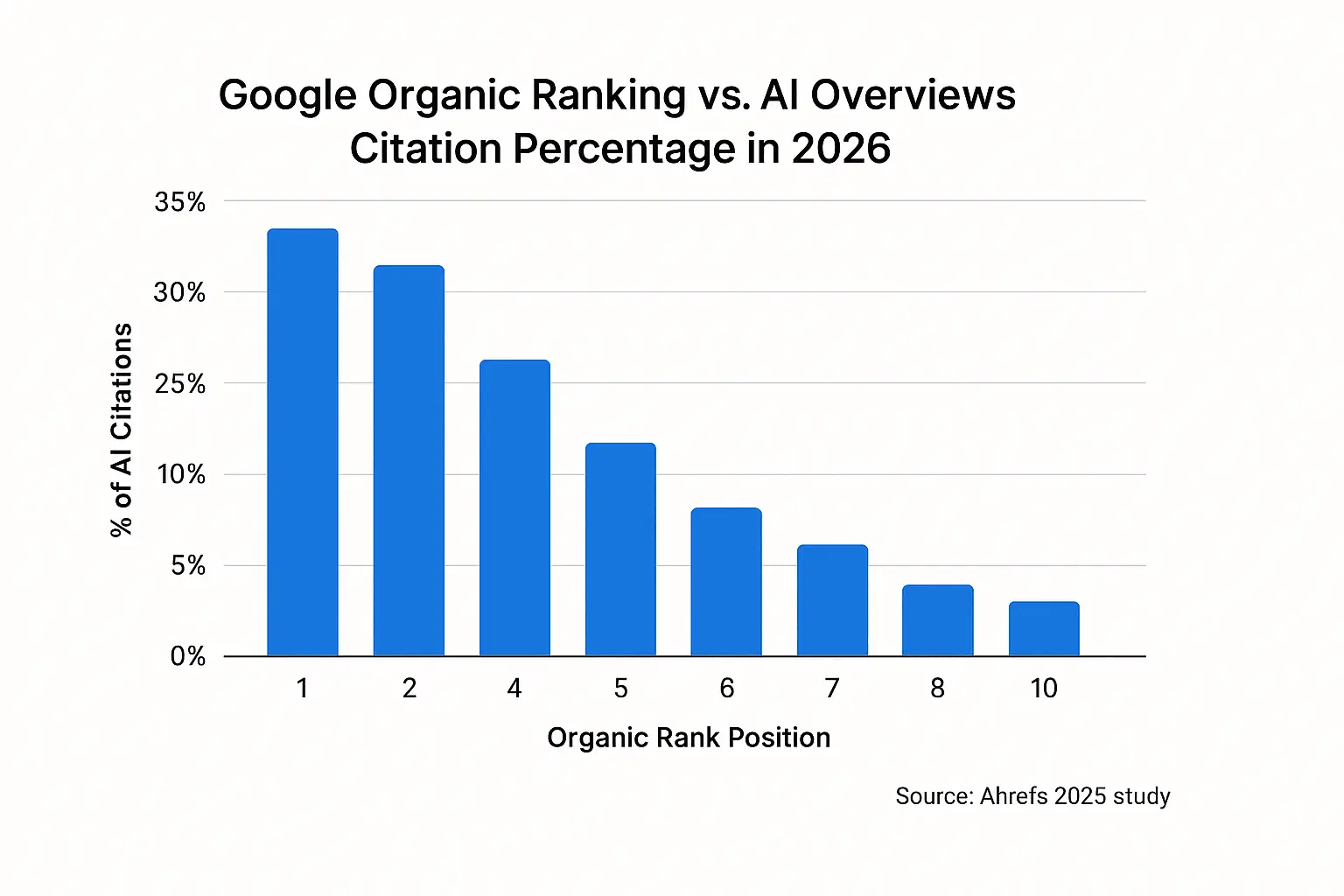
When someone searched Google in 2020, they got a list of ten links. They clicked around. They made their own choice. Your landing page had a chance to do the persuading.
That journey is collapsing. Fast.
When someone types “best CRM for eCommerce” into ChatGPT or Perplexity today, the AI gives one consolidated answer. It names brands. It explains why. The user often doesn’t visit a single website. The AI’s response is the entire experience.
That journey is collapsing and fast. Here’s the key difference:
- Old Google model: User searches, gets ten links, visits websites, decides on their own
- New AI model: User asks, AI gives one answer, names a brand, user often never visits a website
This is what experts call the shift from a search engine (a router that sends users to websites) to an answer engine (a synthesizer that keeps users inside the interface). For brands, this changes everything. You’re no longer competing for a rank on page one. You’re competing for a spot inside a synthesized answer.
Here is a side-by-side comparison of how brand discovery has changed:
- Old SEO goal: Rank a URL at the top of Google search results
- New GEO goal: Get your brand cited inside an AI-generated answer
- Old signal: Backlinks and keyword density
- New signal: Brand mentions, reviews, training data presence, and structured content
- Old user journey: Click, browse, compare, decide
- New user journey: Ask, read the AI answer, act
Checkout Our Detailed Guide on How AI SEO Is Transforming the Way Sites Rank in Google.
What “Brand Awareness” Means in the AI Era
Awareness used to mean ad impressions and brand recall surveys. In the AI era, awareness means something much more specific: how frequently and positively your brand appears in the data that AI models learn from.
AI models are trained on billions of web pages, reviews, forums, and articles. If your brand shows up consistently in credible places with positive sentiment, the model “knows” your brand and trusts it enough to recommend it. If you’re absent from those sources, the AI doesn’t know you exist.
Read More: How to Improve Brand Visibility in AI Search Engines
The Key Signals AI Uses to Pick a Brand
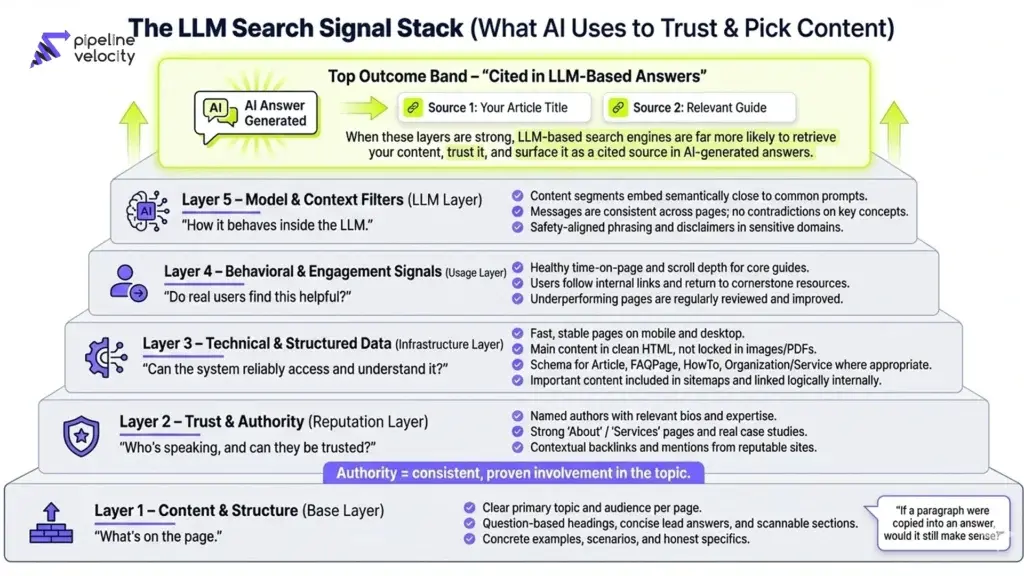
Source: Pipeline Velocity
AI models don’t flip a coin. They process dozens of signals at once. Understanding these signals is the first step to showing up in AI recommendations.
Think of it like this: the AI is a very well-read research assistant. It has read millions of articles, reviews, and discussions. When it recommends a brand, it’s pulling from everything it has ever read about that brand. Your job is to make sure what you have read is accurate, positive, and everywhere.
1. Training Data Presence
This is the foundation. The most important factor is how often and how positively your brand appears in the AI’s training data. This includes:
- Blog posts and editorial articles mentioning your brand
- News coverage and press mentions
- Product reviews on third-party sites
- Reddit threads, Quora answers, and forum discussions
- Expert roundups and “best of” industry lists
- Customer testimonials indexed by search engines
Research shows that brand search volume is actually the strongest predictor of AI citations, with a 0.334 correlation, stronger than backlinks. This means brand-building and PR work now directly impact your AI visibility. Every press mention, every expert article, and every customer review adds to your AI footprint.
2. Topical Authority and Context
AI engines don’t recommend brands in a vacuum. They match brands to specific problems. A brand might get recommended for “scaling customer support” but get ignored for “graphic design tools” even if both products technically fall under the same company.
This means you need to own a specific context. The AI has to associate your brand with a particular type of problem, customer, or outcome. Content that is narrow, deep, and expert-level helps you own that context.
3. Sentiment and Multi-Platform Consistency
AI engines look for consistency across platforms. Brands with positive feedback across multiple touchpoints, G2, Trustpilot, Reddit, and industry blogs, signal reliability. The models recognize patterns in sentiment and factor them into recommendation logic.
- Strong ratings on third-party review sites signal real-world trust
- Consistent positive sentiment across Reddit and forums adds credibility
- Mentions in expert roundups and “best of” lists boost topical authority
- Customer testimonials on owned pages reinforce what the AI has already learned
“You’re no longer competing for a position on a page. You’re competing for a slot in a synthesized answer.”
How AI Actually Processes a Product Question
When a user asks an AI engine, “Which brand of air purifier is best for allergies?” the AI doesn’t do a live Google search every time. It runs through a specific process. Understanding this process helps you know exactly where to optimize.
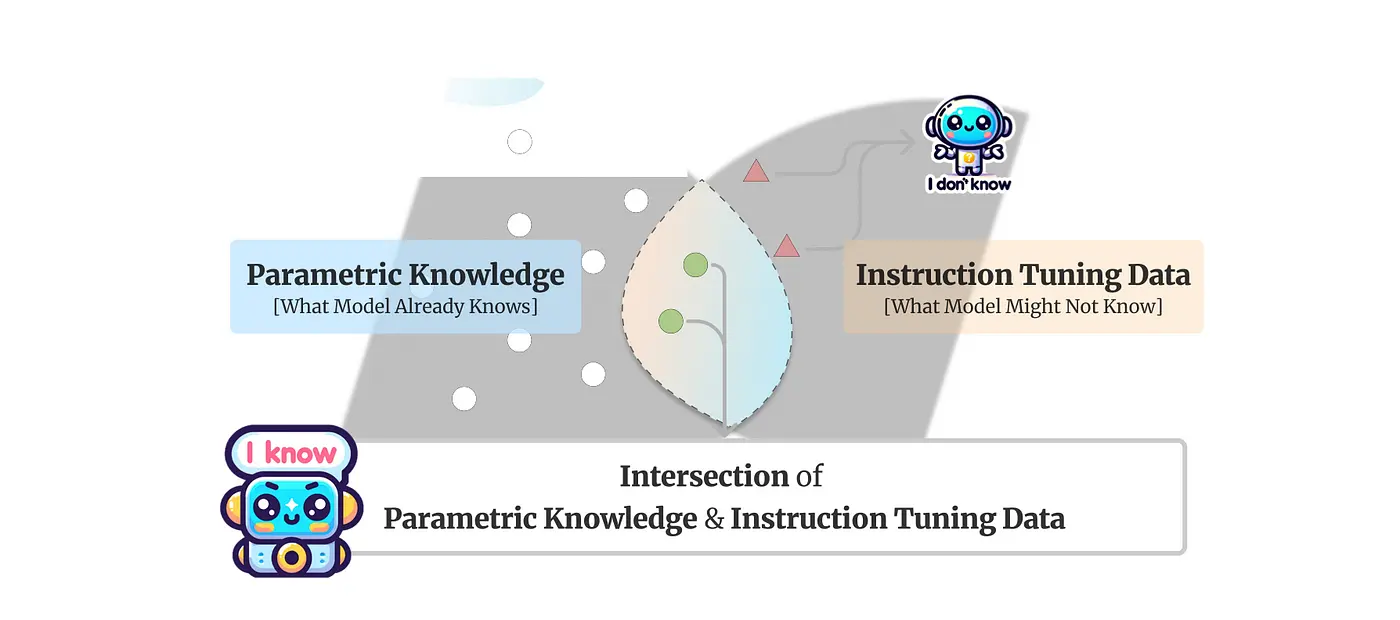
There are two main knowledge pathways in LLMs. The first is called “parametric knowledge,” everything the model learned during training. The second is retrieval-augmented generation (RAG), where the model fetches real-time data to supplement its training.
Studies show that parametric knowledge alone answers approximately 50% to 60% of ChatGPT queries. That means for most queries, your presence in training data matters most.
Parametric Knowledge: What the AI Already Knows
Source: Kore
Think of this as the AI’s long-term memory. It was baked in during training. If your brand appeared frequently in high-quality sources before the model’s training cutoff, it’s already in that memory. This is why PR, content marketing, and digital visibility over time still matter, maybe more than ever.
The AI assigns something like a confidence score to each brand. Higher confidence means stronger recommendation language (“X is excellent for…”). Lower confidence produces hedged language (“X might be suitable for…”). You want the AI to be confident about your brand.
Real-Time Retrieval (RAG): What the AI Looks Up
For recent or specific queries, AI engines pull fresh data using RAG. This is where technical optimization pays off. Key facts to know:
- Adding statistics to your content can boost AI visibility by 22%
- Using original quotes from experts can boost it by 37%
- Pages with comprehensive schema markup see a 28–34% lift in AI coverage within 14–21 days
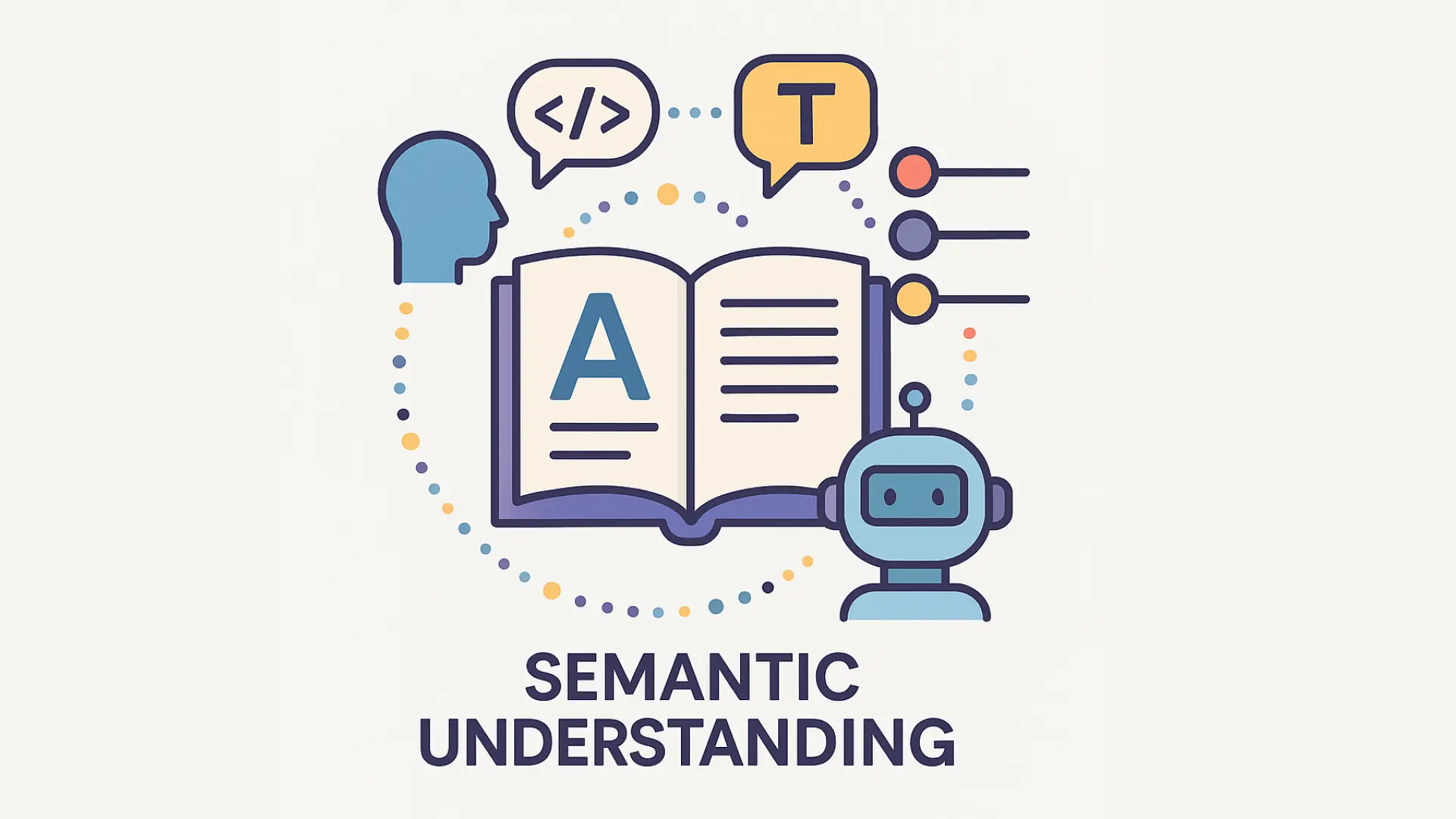
Semantic Understanding: Solving the Right Problem
Source: ThinkStack
AI engines understand meaning, not just keywords. If somebody inquires about “how to scale customer service without adding staff,” the AI will link this query to brands known for their efficient and automated customer services.
That’s why keyword stuffing does not exist anymore in the world of AI. Content should solve customer issues and be crafted using the customer’s language when describing those issues.
What eCommerce Brands Must Do to Get Recommended?
Well, what does all of this imply for you and your team? Being recommended by AI-based engines calls for a brand-new approach that will involve aspects of content marketing, PR, technical SEO, and Answer Engine Optimization (AEO).
Fortunately enough, the majority of companies have not yet gone through this transition. It is possible for you to take advantage of the opportunity. But it’s closing fast. Here’s your action plan:
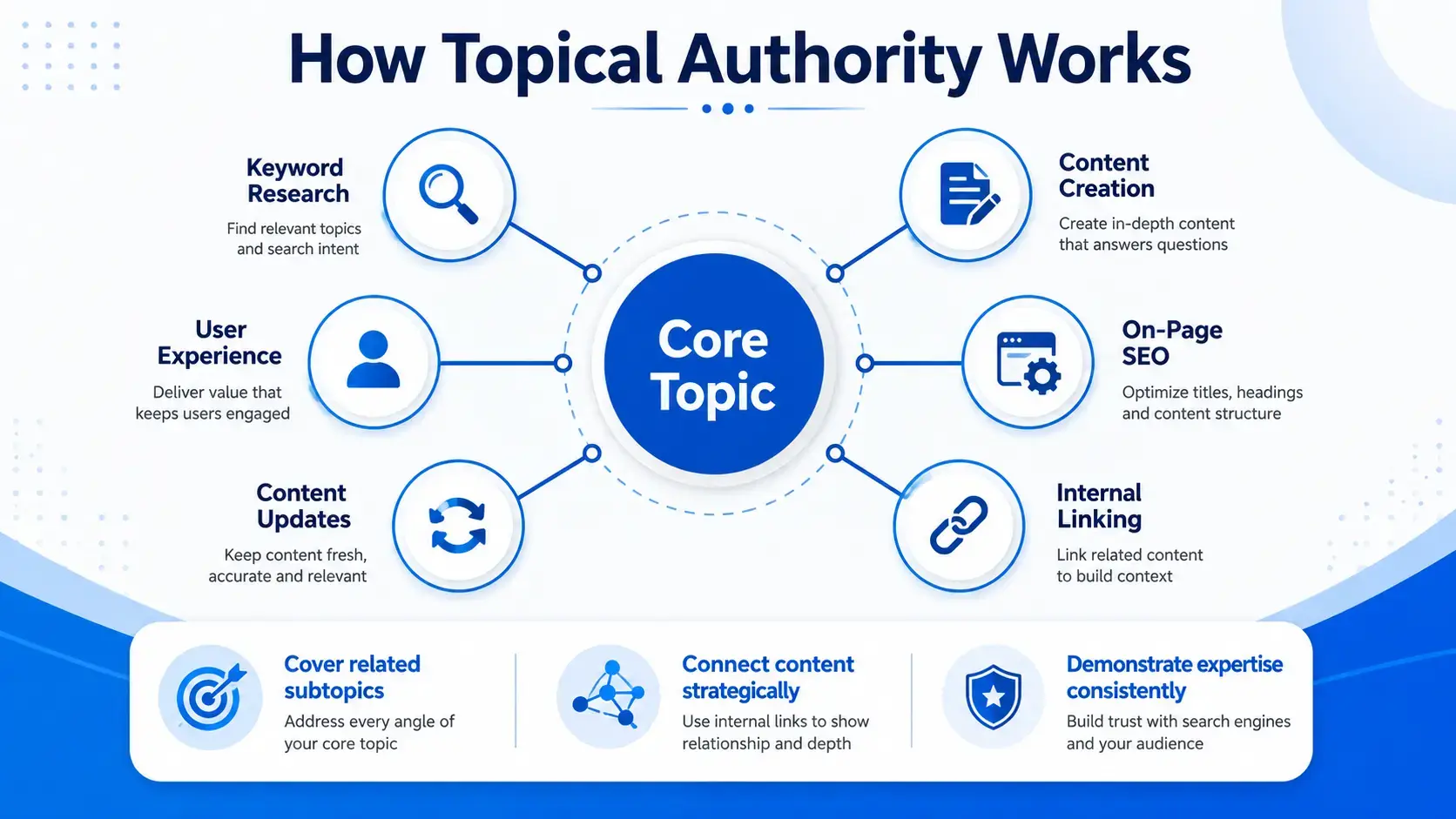
1. Build Topical Depth, Not Just Traffic
Source: AI selection Hub
It is time to stop publishing thin blog posts that include keyword phrases to gain clicks. Instead, begin producing in-depth content that provides detailed answers to the questions asked by your potential customers. How to do that? By writing:
- In-depth comparisons (e.g., “X vs. Y for eCommerce teams”)
- Articles based on unique data and backed up with stats and facts
- Expert Q&A articles and success stories featuring first-person interviews
- Answers to the questions being asked on ChatGPT, Perplexity, and Gemini
- FAQ pages marked up with structured data, allowing AI systems to reuse the information
2. Earn Multi-Platform Brand Mentions
Your brand should have a consistent presence everywhere on the internet and not just on your website. Your AI checks all these sources and more. A brand that only shows up on its own domain indicates a lack of trustworthiness. These are the places where you must show up:
- Trade media sites: Forbes, TechCrunch, Shopify blog, industry newsletters
- Review sites: G2, Trustpilot, Capterra, Amazon, Google reviews
- Discussion forums: Reddit, Quora posts, niche forums within your industry
- Video and podcasts: Expert panels, interviews, YouTube tutorials
- Expert roundups: “Best tools for eCommerce” lists, etc.
- Public relations: Press release mentions, product launch coverage, etc.
Related Post: How to Increase Brand Mentions in AI Search.
3. Use Structured Data and Schema Markup
Structured data helps AI engines understand what your content is about. Adding the right schema gives AI tools clean, reliable signals about your brand. Here’s what to implement:
- Product schema: price, availability, ratings, and descriptions
- FAQ schema: direct question-and-answer format that AI can pull verbatim
- Organization schema: brand identity, industry, and key services
- Review schema: aggregate ratings and individual customer reviews
- Article schema: authorship, publish date, and topic relevance signals
Pages with comprehensive schema markup see 20–30% higher AI citation rates. This is a fast, high-ROI technical fix for any eCommerce team.
Read More: How Structured Data Improves Visibility in AI Search Engines
The Role of Reviews, UGC, and Social Proof
AI models treat reviews and user-generated content (UGC) as a truth layer. They use it to verify brand claims against actual user experiences. This makes your customer reviews one of the most powerful assets in your AI visibility strategy.
Once the AI engine is aware of the fact that your product received thousands of favorable ratings from customers over a span of many years, it makes a very positive impression on your brand. That association shows up directly in recommendations.
Why Reviews Are More Powerful Than Ads in the AI World
In a traditional search environment, paid ads could get you to the top of the page. In the AI world, the rules are different:
- AI engines do not accept paid placements: you cannot buy your way into an LLM’s answer
- AI responds to evidence and reputation, not ad spend
- A brand with 5,000 authentic five-star reviews has a better shot than a brand with a massive ad budget but a thin organic presence
- Authenticity wins: fake or incentivized reviews are identifiable by AI pattern recognition
- Reviews spread across multiple platforms carry more weight than reviews concentrated on one site
How to Maximize Your Review Footprint
Building a strong review presence takes consistency. Here is a practical checklist for eCommerce teams:
- Set up automated post-purchase review request emails within 3–5 days of delivery
- Respond to every review, positive and negative, within 48 hours
- Feature top reviews prominently on product pages with Review schema markup
- Pay attention to mentions of your brand on Reddit, Quora, and X and interact in a meaningful way
- Foster reviews on various sites, not just Amazon and Google
- Share real-life examples of customer successes as case studies with concrete results
- Integrate user-generated content on your website using structured data markup.
The Bottom Line: Awareness Is Now an AI Game
The change from search engines to answer engines can’t be reversed. Brand visibility is determined by how many times and in what manner AI algorithms come across your brand online, rather than by your ad budget or any other old-school techniques. The brands willing to create quality content, build brand mentions across different platforms, integrate structured data, and gather user reviews will take the AI stage.
Want your brand to be the one AI recommends when customers ask for the best product? ResultFirst’s AI SEO Services help brands build the authority, entity signals, structured content, and trust factors AI platforms use when deciding what to recommend. From AI visibility audits and schema optimization to content strategy, digital PR, and authority building, we help businesses strengthen their AI presence and increase their chances of being recommended by ChatGPT, Perplexity, Google AI Overviews, and other AI-powered search platforms.
Sources Referenced:
- https://capitaloneshopping.com/research/ai-shopping-statistics/#:~:text=61-,%25,-of%20consumers%20have
- https://ahrefs.com/blog/ai-overview-brand-correlation/
- https://derivatex.agency/blog/how-llms-decide-what-to-cite/#:~:text=million%20citations%2C%2060-,%25,-of%20ChatGPT%20queries
- https://www.erlin.ai/blog/aeo-best-practices#:~:text=drive%2028%E2%80%9334-,%25,-coverage%20lift%20within
- https://www.stackmatix.com/blog/structured-data-ai-search#:~:text=citation%20rates%20by-,30,-%25%20on%20average
FAQs:
WHAT TO READ NEXT
READY TO BUILD PREDICTABLE ORGANIC GROWTH?
We are the only TOP SEO services agency providing Real Results in a Real Performance model. We help growth hungry companies outperform their competition and achieve 300%+ growth in their digital marketing initiatives.
- San Jose, CA, 95120

- +1-888-512-1890

- sales@resultfirst.com

300K+
KEYWORDS RANKED
546M+
REVENUE GENERATED
18 Years
SOLVING COMPLEX SEO
150+
TEAM MEMBERS