



 sales@resultfirst.com
 +1-888-512-1890
How to Rank Your Law Firm in Multiple Cities Without a Physical Office in Each

You Do Not Need Four Offices to Win Four Cities
Most law firm partners believe the same thing. They think ranking in a new city requires signing a lease in that city. That belief costs them thousands of dollars every year in missed cases. As per a report, 46% of all search queries carry local intent. That means nearly half the people searching online right now want someone nearby.
Your firm can capture that traffic without opening a second office. The right multi-location local SEO strategy puts your name in front of high-intent clients across every city you target. A multi-location SEO strategy helps every office build a strong local presence. It keeps your Google Business Profile, local landing pages, and business details consistent. This improves local rankings, builds trust, and attracts more enquiries for every location.
This article breaks down exactly how to do it step by step.
Why Google Does Not Always Require a Physical Address
Most attorneys assume Google only rewards firms with a verified office in every target city. That assumption is wrong. Google evaluates local results using three core ranking factors:
- Relevance: Does your content match what the searcher needs right now
- Distance: How close is your business to the searcher’s location
- Prominence: How well-known and trusted is your firm across the web
Distance matters, but it does not override the other two factors. A firm with weak content and zero reviews sitting one block from the searcher loses to a firm ten miles away with strong signals. Build those signals correctly, and you compete in any city you choose. The firms that understand this principle capture markets their competitors never even try to enter.
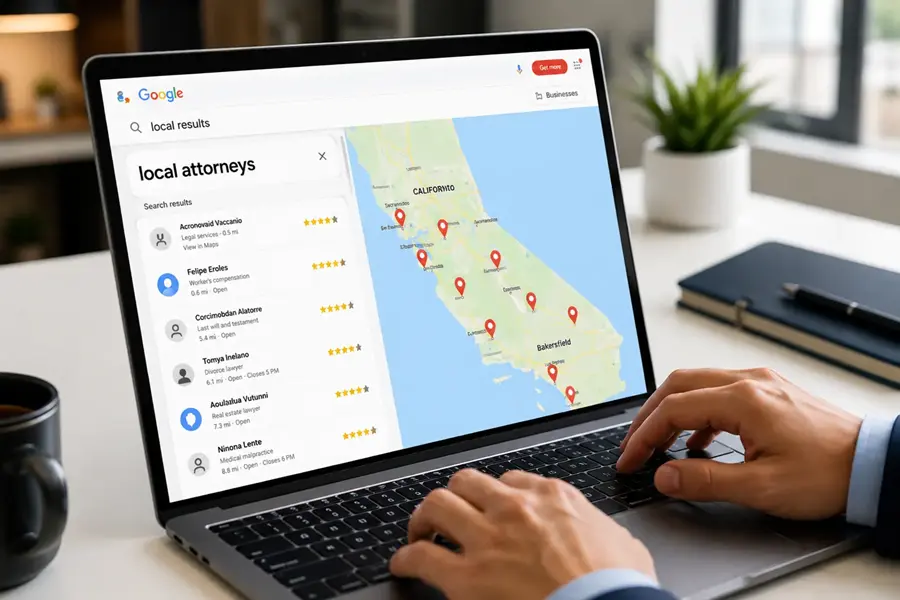
1. Build Dedicated Location Pages for Every City You Target
This is the single most important step in the entire strategy. A generic “Areas We Serve” page does not rank. Google needs a dedicated page for each city to understand that your firm genuinely serves that market and knows it well.
What Every Location Page Must Include
Each location page needs these elements to work together as one cohesive unit:
- A unique H1 tag combining the city name and practice area: “Personal Injury Lawyer in Austin”
- 800 to 1000 words of original content written specifically for that city
- A mention of local courts by name: Harris County Civil Courthouse for Houston pages
- Local legal procedures and jurisdiction-specific timelines are unique to that market
- A Google Map embed pointing to your firm’s nearest office or registered virtual address
- NAP data matches your directory listings exactly with zero variation
- Client testimonials sourced from cases handled in or around that specific city
- A clear call to action linked to a location-specific contact form
Firms that swap only the city name in a copied template get penalized hard.
Google’s Helpful Content system identifies these pages as scaled content produced for search engines rather than real people. Write about what actually happens in each city’s courts. Reference real procedures. Mention real landmarks. Your pages will stand apart from every competitor who took the lazy route.
2. Set Up a Google Business Profile for Every City You Serve
Each city where you want to rank needs its own verified Google Business Profile. One profile attempting to serve multiple cities confuses Google and reduces your visibility across all of them simultaneously.
| GBP Element | Best Practice | Common Mistake |
| Business Name | Exact legal name matching your signage | Keyword-stuffed names like “Best DUI Lawyer Chicago” |
| Primary Category | Consistent across all profiles | Mismatched categories between locations |
| Description | Unique copy mentioning city neighborhoods and the lead attorney | Copy-pasted firm boilerplate used everywhere |
| Phone Number | Unique local number per location | One shared call center number for all profiles |
| Photos | Real images of the team serving that city | Stock photos are reused across every profile |
| Hours | Accurate per-location hours, including holidays | Generic 9 to 5 copied and pasted everywhere |
The description field separates firms that rank from firms that hope to rank. A description mentioning the local courthouse, the lead attorney’s name, and the neighborhoods served sends a completely different trust signal than a vague “serving clients statewide” blurb.
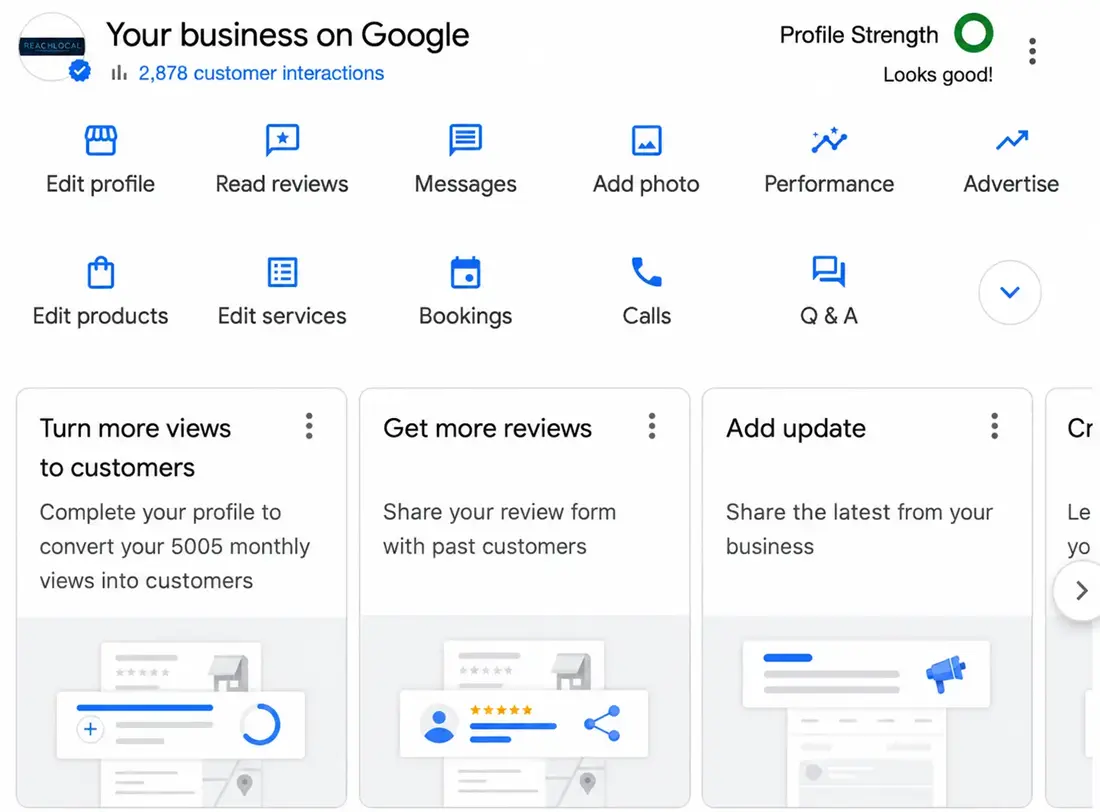
Use Service Area Settings to Expand Your Reach Without Signing a Lease
Google Business Profile allows firms to define a service area around their existing office. This tells Google which cities you actively serve even without a physical presence there. Most law firms completely ignore this setting and leave enormous ranking opportunities on the table every single month.
Here is how to use it correctly:
- Set your primary address as your verified main office location
- Add each target city as a named service area inside your GBP settings panel
- Keep service areas realistic and geographically logical
- Create a dedicated location page on your website for every city you add to your service area
- Update your service area settings whenever you launch a new city campaign
- Avoid overlapping service areas between profiles if you have multiple offices already
As per a report, 91% of consumers say local branch reviews shape their overall perception of a multi-location brand. Service area settings combined with strong reviews let smaller firms compete directly against large firms with offices in every major city.
Strengthen Local Rankings with Consistent NAP Data
Most law firms focus on content and ignore data accuracy. That is a costly mistake. NAP stands for Name, Address, and Phone. Search engines cross-reference your business information across hundreds of directories constantly. One inconsistency creates doubt. Multiple inconsistencies create measurable ranking drops that compound over time without any obvious warning signs.
Every city you target needs citations built and maintained across these three tiers:
Legal-specific directories
- Avvo
- FindLaw
- Justia
- Lawyers.com
- Super Lawyers
- Martindale-Hubbell
General business directories
- Yelp
- BBB
- Bing Places
- Yellow Pages
- Apple Maps
Local and regional directories
- City Chamber of Commerce websites
- Regional bar association member listings
- Local business directories specific to each target city
“Suite 200” on your website and “Ste. 200” on Avvo look like two different businesses to Google’s crawlers. Standardize your format down to every abbreviation and use it without any variation everywhere your firm appears online. Run citation audits monthly using tools like BrightLocal or Whitespark.
Create Location-Specific Content for Every Target City
Generic content does not build authority in cities where you have no office. Hyper-local content does. It signals to Google and to potential clients that your firm genuinely understands that specific legal market and the people living in it.
Three Content Types That Drive Local Rankings Fast
Local legal guides: Write guides covering jurisdiction-specific procedures in detail. A guide titled “What to Expect After a DUI Arrest in Harris County,” with county court timelines and local courthouse addresses, performs far better than a generic DUI overview that could apply to any state.
Attorney spotlight posts: Feature the lawyers at your firm who handle cases in each city. Include their bar association memberships and any local community involvement, even if they work remotely for that market.
Local FAQ pages: Answer questions people actually type into Google. “Who is the best personal injury lawyer in Nashville,” and “How long does a divorce take in Travis County,” pull AI Overview citations and voice search traffic that generic pages never capture.
AI Overviews now appear in a growing share of local queries. Firms that optimize for this now gain visibility that their competitors have not caught up to yet.
Image Source: ChatGPT
Structure Your Website to Support Every Target Location
Your site structure determines whether Google can find and rank your location pages at all. Build it wrong, and Google cannot figure out which page serves which market. Build it right, and each city page earns its own organic authority independently.
The recommended URL structure works like this:
- yourdomain.com/locations/
- yourdomain.com/locations/dallas/
- yourdomain.com/locations/dallas/personal-injury/
Every location page should sit within two clicks of your homepage. Pages buried three or four levels deep rarely rank in competitive local markets. Add a self-referencing canonical tag to every location page pointing to itself rather than a parent page. This prevents Google from consolidating your location pages into one and erasing the individual ranking signals you worked to build.
Implement Schema Markup Across All Location Pages
Schema markup is structured data that tells search engines exactly what your firm is, where it operates, and what services it provides. Most law firms skip this step entirely and lose ranking ground to competitors who use it correctly.
Each location page needs its own LocalBusiness schema with these properties filled in completely:
- Business name matches your GBP exactly
- Specific street address for that location or service area
- Local phone number tied to that city
- Opening hours are accurate for that office
- Geographic coordinates for that city
- The service area is defined clearly within the schema
Do not create one Organization schema and apply it to every location page. Each city page needs its own separate LocalBusiness entity in the structured data. Google’s Rich Results Test lets you validate every page individually before it goes live. Running this check catches errors that would otherwise silently suppress your rankings for months.
Build Location-Specific Links to Signal Genuine Local Authority
Links from local sources tell Google you are a legitimate and recognized part of a city’s professional community. Each target city needs its own link-building effort running alongside your content strategy.
Focus on these link sources per city:
- Local news publications that cover legal topics and community issues
- City-specific business directories maintained by local organizations
- Local chambers of commerce membership pages and partner listings
- Regional bar association websites and attorney directories
- Charities and community organizations that your firm sponsors in that area
- Guest articles pitched to local media outlets covering legal topics for that city’s residents
A link from the Austin American-Statesman tells Google your firm matters in Austin specifically. A generic directory link from a national aggregator tells Google nothing targeted. Prioritize local relevance over raw link volume every single time.
Build Credibility with Reviews for Every Location
Reviews are not a firm-wide asset. Google evaluates them per listing. A firm with 200 reviews at headquarters and 4 reviews on a new city profile looks invisible in that new city, no matter how strong the main office profile appears.
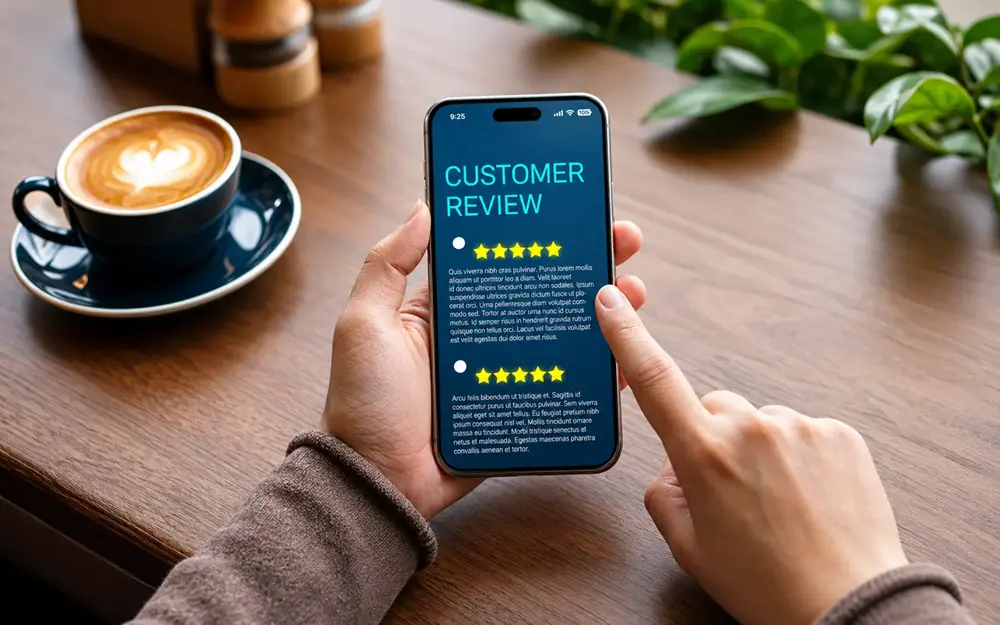
Build a per-city review system using these steps:
- Create direct review links, sending clients to the correct GBP listing for their city
- Set up location-specific follow-up emails triggered after case closings
- Respond to every review within 48 hours without exception
- Track review count and average star rating separately per city every month
- Assign one team member per city to own the review process end-to-end
Data shows 89% of consumers choose businesses that respond to all reviews. Only 47% would consider a business that does not respond at all. That single habit of consistent responding separates visible firms from invisible ones in every city you target.
Track Each City Separately, or You Will Miss What Is Broken
Firm-wide averages hide serious problems. A city performing at zero drags down your overall numbers without triggering any visible alarm in blended dashboards. Every city you target needs its own performance dashboard tracked monthly at a minimum.
Track these KPIs separately for every city:
- Local pack ranking by keyword per city every month
- GBP impressions and user actions per individual profile
- Website clicks generated from each GBP listing separately
- Review count and average star rating tracked per location
- Citation accuracy score is audited monthly per market
- Organic keyword rankings for each location page individually
- AI Overview mentions per city for your target practice areas
Tools like Local Falcon provide grid-based rank tracking that shows where your firm ranks across an entire geographic area rather than at one single map pin. That granularity matters when you are competing for cases in dense urban markets.
Preparing Your Multi-City Content for AI-Powered Search Results
AI Overviews are changing how potential clients find lawyers online. Google now generates AI summaries at the top of local search results before users ever reach the organic listings or the local pack. For firms targeting multiple cities, this creates both a challenge and a real opportunity to get cited ahead of every traditional result.
AI Overviews now appear on nearly 48% of tracked Google searches, making AI-ready content a critical part of modern SEO strategies.
To position your content for AI extraction across every city you target:
- Write direct-answer paragraphs of 40 to 60 words at the top of each major section
- Use entity-rich language, naming specific courts, statutes, bar associations, and local landmarks
- Create per-city FAQ content using the exact phrasing people type into ChatGPT or Perplexity
- Publish original analysis rather than rephrased generic legal content
- Use clear headings and simple sentence structures that AI systems can extract cleanly
AI systems favor content with definite language, high entity density, and straightforward structure. That is exactly the kind of content every city page on your site should deliver.
Conclusion
Law firms that win in multiple cities share one defining trait. They treat every target city as its own local SEO project with dedicated content, dedicated GBP profiles, dedicated citations, and a dedicated review strategy. They do not need a lease in every city. They need a system that replicates local trust signals at scale.
Start with your GBP service area settings and one strong location page per city. Add citations across all three directory tiers. Build reviews per profile. Layer in hyper-local content that references real courts, real procedures, and real attorneys. Each step compounds on the last one, and the results accelerate as your signals grow stronger across every market you serve.
Want to grow your law firm’s visibility across multiple cities? ResultFirst builds proven multi-location SEO strategies that help law firms rank in every target market, generate qualified leads, and win more local cases. Our SEO Services for Law Firms are designed to help firms build lasting visibility across every market they serve. Let our experts turn every city into your next growth opportunity.
Sources Referenced:
- https://capitaloneshopping.com/research/online-reviews-statistics/
- https://www.brightlocal.com/research/local-consumer-review-survey-2024/
FAQs:
WHAT TO READ NEXT
READY TO BUILD PREDICTABLE ORGANIC GROWTH?
We are the only TOP SEO services agency providing Real Results in a Real Performance model. We help growth hungry companies outperform their competition and achieve 300%+ growth in their digital marketing initiatives.
- San Jose, CA, 95120

- +1-888-512-1890

- sales@resultfirst.com

300K+
KEYWORDS RANKED
546M+
REVENUE GENERATED
18 Years
SOLVING COMPLEX SEO
150+
TEAM MEMBERS