



 sales@resultfirst.com
 +1-888-512-1890
10 Shopify E-commerce Trends Shaping Online Retail in 2026

E-commerce has been entering a new phase in recent years. Shopify stores are no longer competing only for Google rankings or website visits. They compete for visibility across various search engines, social platforms, AI assistants, unified shopping experiences, and intelligent automation.
The shift already shows up in current retail data. U.S. retail e-commerce sales reached $326.7 billion in Q1 2026, up 9.8% year over year, while e-commerce represented 16.9% of total U.S. retail sales.
At the same time, AI has started changing product discovery. Shopify’s Q1 2026 data shows that AI-referred orders grew nearly 13x year over year, while AI chatbot referral sessions grew more than 8x.
These channels went on to completely transform commerce. For Shopify brands, this means the old e-commerce playbook needs an upgrade. Product data, SEO, personalization, social content, fulfilment, and customer retention must work together.
This guide breaks down the ten trends actually driving Shopify growth in 2026.
What Are the Top Shopify E-commerce Trends in 2026?
The most popular trends at Shopify in 2026 revolve around AI transforming the process of discovery and purchasing. Consumers find products using AI-driven search and agentic commerce instead of conventional searching, whereas predictive personalization is used to make offers based on consumers’ actions in real time.
Purchases made impulsively through apps, social commerce, and creator commerce, which includes TikTok Shop, make up the bedrock of how consumers shop.
Ultimately, it is the brands that turn that traffic into loyal customers with smarter fulfilment, first-party data, and good retention strategies.
Why Is Shopify E-commerce Changing in 2026?
Shopify e-commerce in the era of AI is changing the purchase process for customers. The role of AI assistants has evolved from merely answering queries to purchasing products. The Universal Commerce Protocol (UCP) is an open standard technology designed by Shopify and Google, where AI agents will be able to discover, add to cart, check out, and make payments.
Big firms like Amazon, Meta, Microsoft, Salesforce, Stripe, Visa, MasterCard, Etsy, Target, and Walmart are some of the companies that have supported this protocol and show that agentic commerce is not limited to Shopify anymore.
This paradigm is centered around Shopify Catalog, a structured dataset of global products that auto-syndicates eligible merchant products to ChatGPT, Microsoft Copilot, Google AI Mode, and the Shop app.
According to Shopify, products searchable through the Shopify Catalog have an engagement level that is twice as high as products that are scraped from a store by an AI system in the absence of structured data. Shoppers can now:
- Ask AI for product recommendations instead of typing search queries
- Compare products conversationally, across brands, in a single chat
- Find items without even having to visit a search engine
- Receive personal recommendations based on your conversation in real time
- Go from discovery to purchase in fewer steps compared to a conventional funnel
Customer Expectations Are Becoming More Personal
Nowadays, buyers are demanding more from brands. Relevant product recommendations, accurate product recommendations, quick responses, and offers based on their interests are some of the demands.
AI personalization helps Shopify brands use signals such as:
- Browsing behavior
- Purchase history
- Product preferences
- Customer lifecycle stage
- Location
- Loyalty activity
- Previous interactions
- Real-time shopping behavior
Shopify provides AI-driven personalization to customize experiences based on consumer preferences and behavior. From mass market targeting to customized shopping experiences, this results in personalization.
10 Shopify E-commerce Trends Shaping 2026
1. AI-Powered and Agentic Commerce
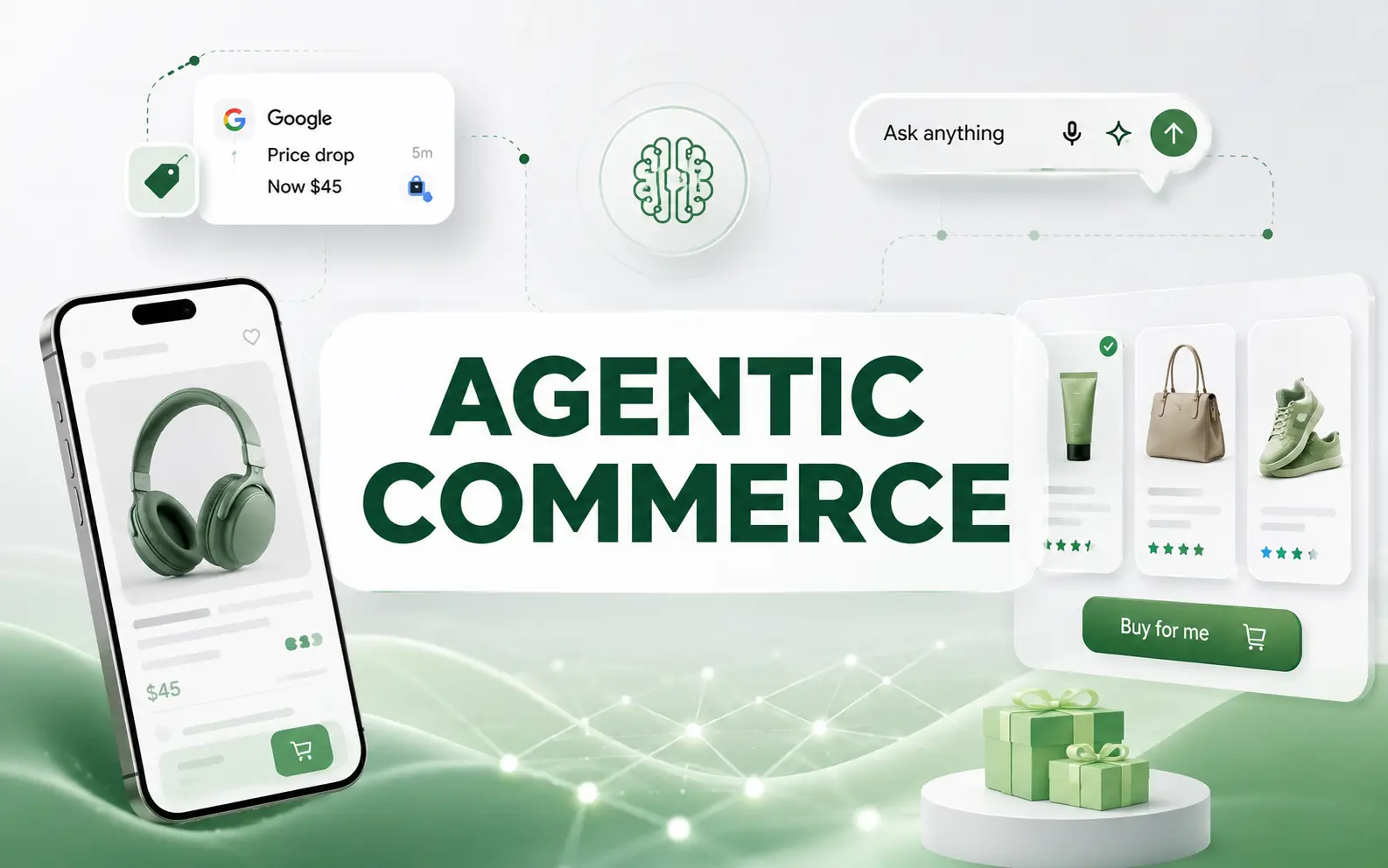
AI agents enable customers to identify, assess, and purchase items as they engage in a conversation. Customers will use AI programs like ChatGPT, Microsoft Copilot, and Google Gemini to find and buy the products instead of visiting physical stores.
The technology behind all this is Shopify. Shopify and Google collaborated to create the Universal Commerce Protocol (UCP), an open protocol that outlines how AI agents and retailers interact during the whole purchasing process. UCP has received wide acceptance from Amazon, Meta, Microsoft, Salesforce, Stripe, Etsy, and Target.
Shopify Catalog structures billions of products from millions of merchants into queryable data across AI surfaces. AI searches powered by Shopify Catalog convert at 2x the rate of those using scraped data. This means clean, structured product data is essential for AI visibility.
Real-world results: Red light therapy brand Omnilux saw AI channels drive 3.2% of total revenue in March 2026. Luxury bedding brand Cozy Earth reported AI channel revenue up 20 times year over year.
What Shopify brands need to do: Make sure their product info is not only good for human customers but also for AI that will analyze product features, prices, availability, and customer reviews. Keep the product info correct in Shopify Catalog (which is available for all qualified products).
Read More: How AI Can Increase Your E-commerce Sales & Profit
2. Predictive Personalization
AI personalization for e-commerce involves machine learning. It ensures each customer gets an individualized experience based on their behavior and preferences. Such an approach is much more complex than just offering products that other customers have purchased in addition to some item they already purchased.
AI systems draw on behavioral data, browsing history, past purchases, clicks, time on page, cart activity, and social media interactions to decide what each shopper sees next. This differs from rule-based personalization in that AI personalization uses learning from data.
Applications include:
- AI-powered product recommendations based on shopping patterns
- Dynamic homepage personalization for returning visitors
- AI-generated customer segmentation for email marketing
- AI shopping assistants that guide shoppers through the catalog
What Shopify brands should do: Take a single channel on which the data of customers is clean and interconnected, such as personalized recommendations or email segmentation based on personalization. Shopify’s Search & Discovery app can provide AI-driven recommendations. Sidekick creates customer segments through English language input.
3. Social and Creator-Led Commerce
The concept of social commerce is revolutionizing the way people discover and buy products. Global social commerce is estimated to generate approximately $919 billion in 2026 and is projected to surpass $1.1 trillion by 2029. As social platforms increasingly combine product discovery, creator recommendations, and purchasing, social commerce is becoming an important part of the modern ecommerce journey.
Due to the large number of users on Facebook, Instagram, and TikTok, social commerce makes it possible to use these platforms for direct selling as well as inspiration. It is one of the most efficient digital transformations in the field of retail since brands can sell on the platform where they have a large audience.
Key platform benchmarks include:
- Instagram drives the most social traffic at 4.2% of total store traffic
- TikTok is the fastest-growing channel with 68% YoY growth
- Pinterest delivers the highest conversion rate at 2.4%
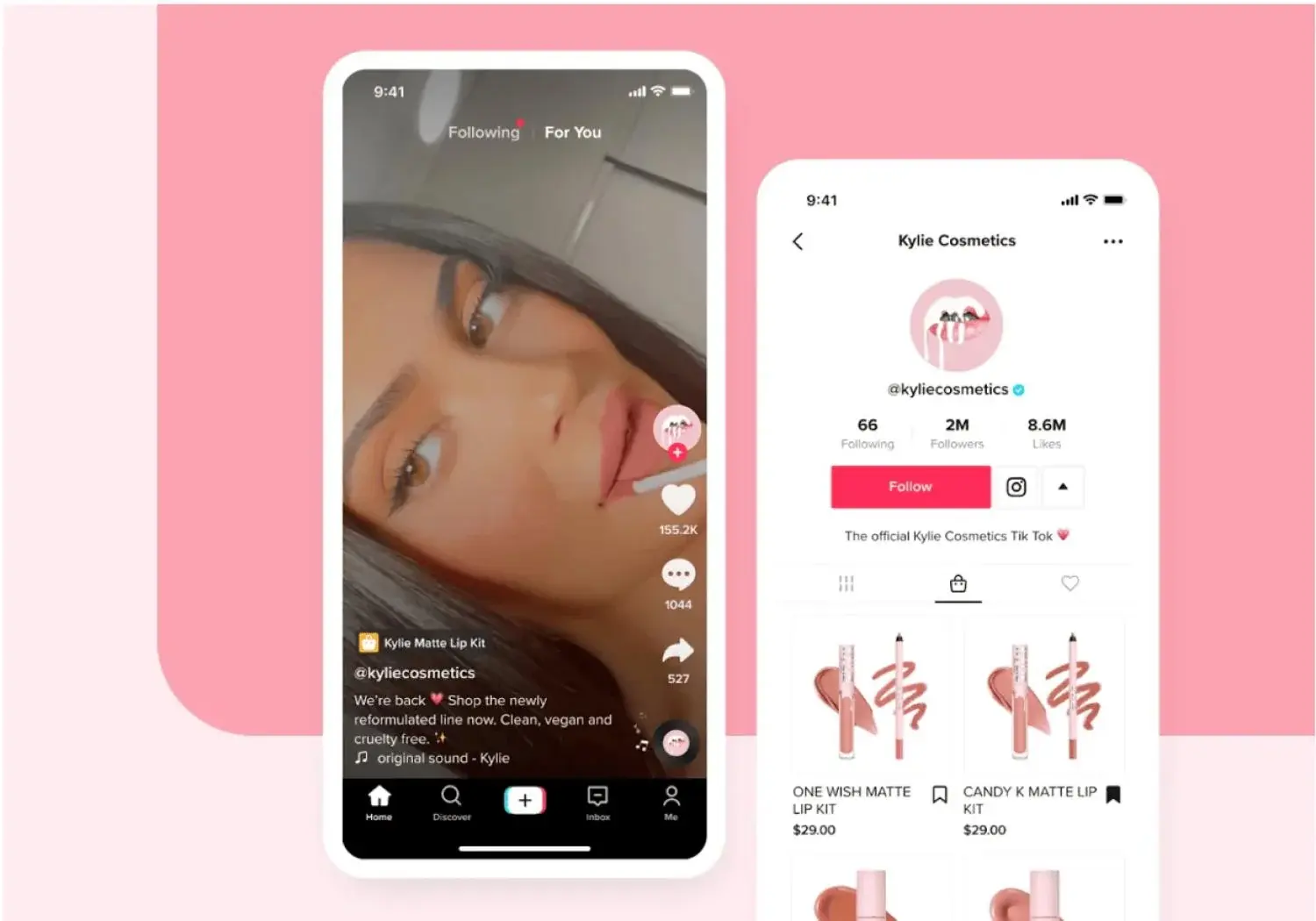
Source: TikTok
Shopify brand actions: Reuse customer videos, collaborate with niche influencers, use social tags for products, measure conversion rates by influencers, and use genuine product demos.
4. Video-First Product Discovery
Video content is used for product discovery. 89% of consumers say that a brand’s videos persuaded them to purchase the goods or services. Short videos, product demo videos, shoppable videos, live shopping videos, and product review videos speed up the purchasing process.
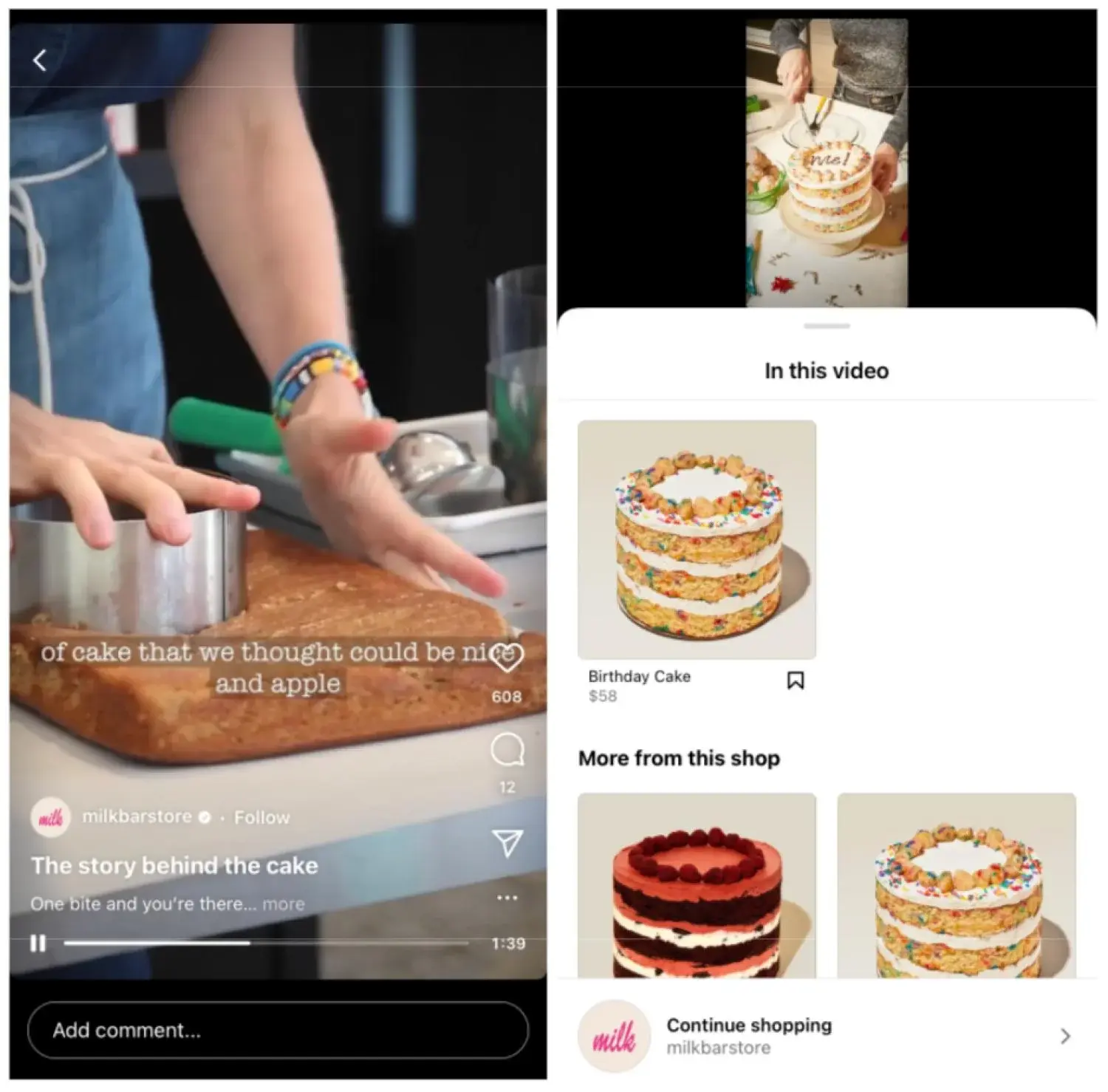
Source: Shopify
It was TikTok’s video-centric platform that initiated the trend, compelling Meta to roll out Reels and similar short-form videos in order to compete. Consumers are now depending on video not just in some part but through the whole process of buying experience, from the moment of discovery to consideration and purchasing.
What Shopify merchants need to do: Create short-form videos for TikTok, Instagram Reels, and YouTube Shopping. Focus on genuine demos and creator tutorials rather than slick advertisements.
5. Omnichannel Shopping Experiences
Omnichannel marketing takes into consideration all elements of the shopping experience. The example of this is when the client uses the application to put something into their basket. The omnichannel experience appears when this person signs into their account from another device or even from your brick-and-mortar store
Shopify’s Spring ’26 Edition enhances omnichannel capabilities:
- Buy online, pick up in store: In-store pickup locations will appear in the Shop app, and products will have the local stock displayed on the page.
- Unified Customer Profile: Login via Shop allows all the information about a client to travel with them across surfaces.
- Online-to-offline journeys: Returns initiated online can end offline using a QR code, making returns an opportunity for more visits.
- Faster in-store checkout: POS v11 takes less than a minute to process complicated carts with discounts and customer lookup on the side panel.

Source: Bitrix24
6. Localized and Global Shopify Shopping
International e-commerce is not only about translation of product descriptions. It is about adaptation to local tastes, currencies, payment options, and shopping behavior.
Shopify also states that about 30% of all traffic comes to an online shop from other countries.
Shopify’s cross-border commerce tools now cover duties, gift cards, and shipping label billing. Key elements of effective localization include:
- Localized product descriptions and content
- Local currencies and preferred payment methods
- Regional shipping options and fulfillment
- Multilingual content with hreflang for SEO
- Regional product availability and country-specific offers
How Shopify stores should adapt: Customize product info, currency, payments, shipping, and languages to suit their target markets. Implement hreflang tags for international SEO. Make things easier for international buyers with localized payment solutions and clear shipping rates.
7. Augmented Reality and Immersive Shopping
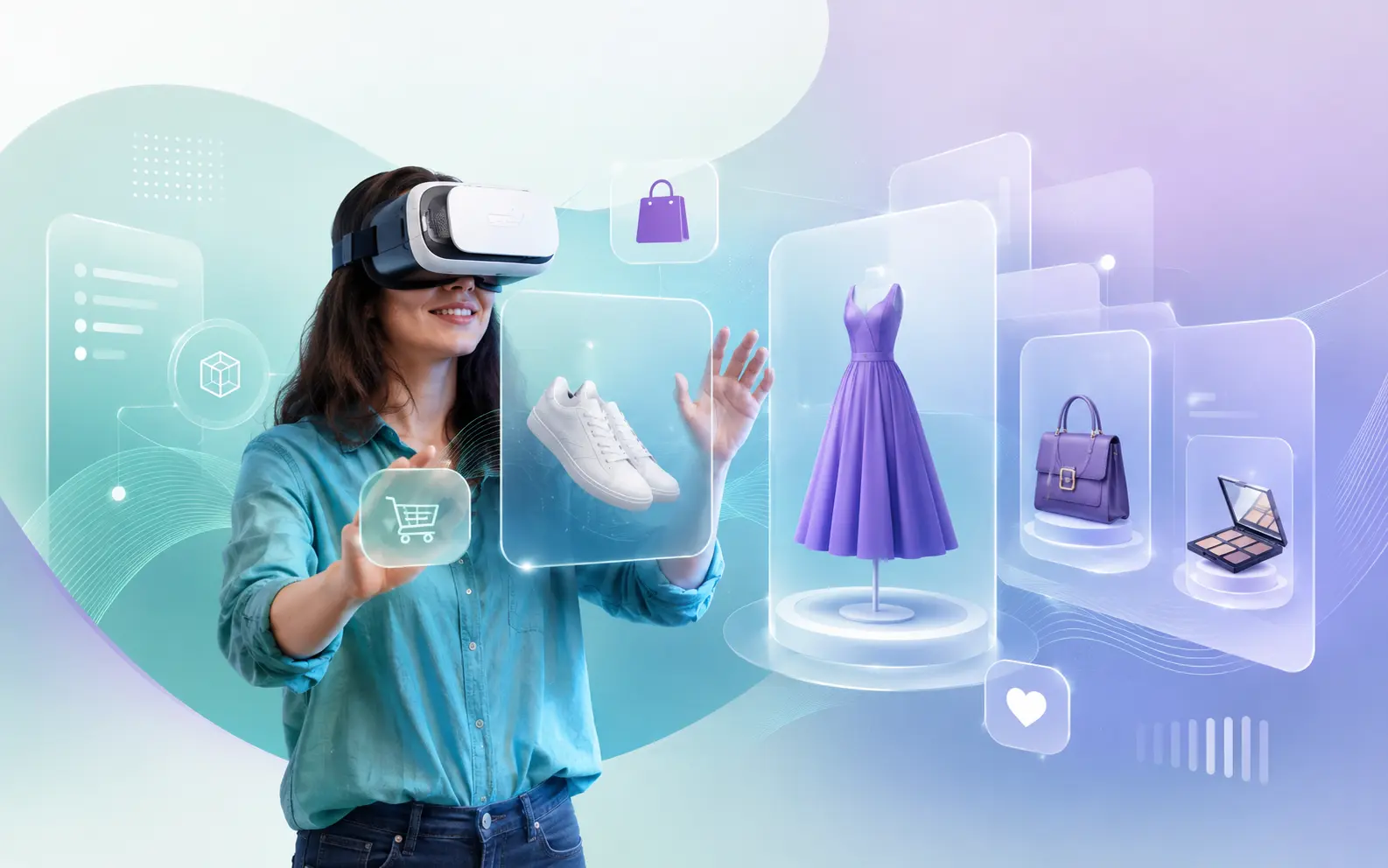
AR helps to lower purchase uncertainty through visualization before purchasing. Virtual try-ons for apparel and other accessories, virtual furniture and product visualizations, makeup previews, and interactive product demonstrations can all be used to achieve this.
Augmented reality helps consumers become more confident while making a purchase decision. It will lead to fewer returns and a higher conversion rate in certain categories of goods.
According to one case study in Shopify, Rebecca Minkoff saw shoppers who viewed a product in AR become 65% more likely to purchase.
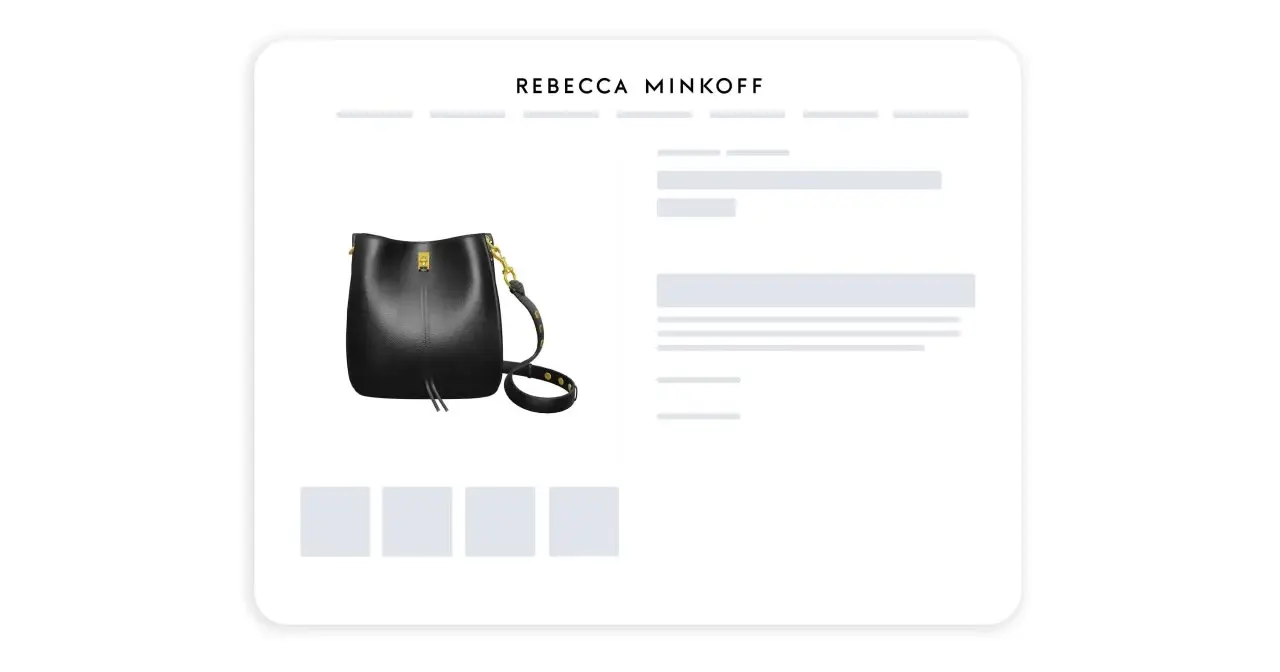
Source: Shopify
Shopify brands to implement AR: Use AR on products that have a high rate of returns, where the visualization is important, such as furniture, home decor, eyewear, cosmetics, and apparel. Begin with a single product category first.
8. Subscription Commerce Growing in Many Different Industries
Source: Precedence Research
Subscriptions have dominated the area of customer loyalty in the last couple of years. They will continue to dominate the same in the coming days. It is becoming one of the most useful trends of retail in the e-commerce industry.
This is particularly useful for the periodic delivery of things such as meal kits, healthcare, and coffee beans, transforming one-time payments to regular ones to ensure sustainability in business and reliable projections of growth in the e-commerce market.
Offering rotating products, like various coffee roasts, will keep your customers interested and help you move your inventory. Not only that, but you can increase sales by upselling your products by including free samples with the subscription.
This method is one of the best ways of introducing new products to your customers. Successful use of a subscription system involves the development of measures to monitor the behavior of consumers in e-commerce and predict demand, as well as to deal with recurring billing and logistics.
9. Smart Logistics and Automation Fulfilment
Rising customer expectations on delivery speed, shipping transparency, and flexible fulfillment capabilities have changed the nature of digital commerce operations.
Today, two-day shipping, real-time tracking, one-day delivery, and return convenience are no longer exceptional benefits provided by companies. In contrast, such things have become standard requirements for any modern digital commerce enterprise.
In order to fulfil those expectations, modern enterprises have to change their fulfilment process. This can be achieved through automation, artificial intelligence, robots, inventory management tools, route planning, and other measures.
Given the rising number of e-commerce transactions, operational success and smart logistics will become essential parts of sustainable e-commerce development.
10. First-Party Data and Privacy-Centered Personalization
As third-party cookies vanish and privacy regulations tighten, first-party customer data is worth its weight in gold. Businesses that capture and make use of first-party data through privacy-focused measures have a competitive edge.
Key components:
- Customer information from first-party accounts and purchases
- Data on loyalty and personalization based on consent
- Zero-party data (preferences that are purposefully shared)
- Transparent data practices and privacy-conscious personalization
Actions that brands on Shopify should take: Create user accounts to gather first-party data. Be open about data gathering and its uses. Provide value in return for data: customized suggestions, loyalty programs, or special offers.
What These Shopify Trends Mean for SEO
Source: Wisepops
SEO is now becoming more than just optimizing for Google’s search results. Shopify brands need to optimize not just for search engines but for artificial intelligence assistants, social media, and conversational interfaces as well.
Key implications:
- Product page SEO: Complete, structured product data helps human shoppers, search engines, and AI agents find and understand your products
- Category page SEO: Build clear category structures around real shopper needs.
- Internal links: Link relevant products, categories, guides, comparisons, and FAQ pages.
- Structured Data: Apply correct markup for Product, Product Group, Review, Organization, and VideoObject if needed. Google explicitly advises using structured data for e-commerce sites, as it helps understand products and related information.
- Image SEO: Use descriptive filenames, useful alt text, optimized formats, and relevant surrounding content.
- Video SEO: Support product videos with clear titles, descriptions, transcripts, and relevant structured data.
- International SEO: Build localized content and use appropriate hreflang implementation.
- AI search readiness: Shopify Catalog handles much of this automatically, but accurate titles, descriptions, specifications, and reviews remain essential
How Shopify Brands Can Prepare for 2026
Use this checklist to prepare your store for the trends shaping 2026:
- Audit product data: Ensure accuracy and completeness of titles, descriptions, images, pricing, and inventory
- Improve product descriptions: Add specifications, size guides, and FAQs that AI agents and shoppers can use
- Add structured data: Use schema markup for products, reviews, and FAQs
- Strengthen internal linking: Connect related products and categories to improve navigation and SEO
- Build AI-friendly content: Create comparisons, buying guides, and Q&A content that answers common questions
- Test AI personalization: Start with product recommendations or personalized email segmentation
- Invest in creator content: Partner with niche creators for authentic product demonstrations
- Localize international storefronts: Adapt currency, payments, shipping, and language for target markets
- Improve mobile experience: Ensure fast load times and seamless checkout on mobile devices
- Track organic, social, and AI-assisted conversions: Attribution across channels is essential for understanding ROI
How Shopify Stores Can Prepare for AI Search
In 2026, AI search preparation means making your store machine-readable. AI assistants like ChatGPT and Google’s AI mode assemble answers from structured data, so your content needs to be quote-ready.
Key actions:
- Use precise product titles with attributes (not creative names)
- Add detailed specifications in dedicated fields, not paragraphs
- Include real-time pricing, availability, and reviews
- Create answer-focused content: comparisons, buying guides, FAQs
- Implement Organization, Product, and FAQ schema markup
- Maintain consistent business information across all platforms
Shopify Catalog automatically distributes products to ChatGPT, Microsoft Copilot, and Google AI Mode. AI searches powered by Shopify Catalog convert at 2x the rate of scraped data. Clean, complete product data is your competitive advantage.
Conclusion
Shopify growth in 2026 depends on how well brands adapt to AI-led discovery, predictive personalization, social commerce, localized experiences, and retention. The strongest stores will not treat these trends as isolated tactics.
They will connect product data, SEO, customer experience, content, and conversion into one growth strategy. Brands that optimize for AI channels, build first-party data relationships, and create seamless omnichannel experiences will capture the majority of e-commerce growth this year.
Be Ready for Where Your Customers Search Next
Shopify growth is no longer limited to Google search. Customers are discovering products through AI assistants, social platforms, video, personalised experiences, and connected shopping journeys. That makes SEO part of a much broader visibility strategy, one that connects product data, content, technical optimisation, and AI search readiness.
ResultFirst helps e-commerce brands build performance-driven SEO strategies designed for this changing search landscape. Our SEO services for ecommerce stores help strengthen organic visibility, optimize product and category experiences, improve AI search readiness, and attract qualified customers across the channels shaping modern commerce.
Sources Referenced:
- https://www.shopify.com/enterprise/blog/global-ecommerce-statistics
- https://www.shopify.com/case-studies/rebecca-minkoff
- https://wyzowl.com/video-marketing-statistics/
- https://www.shopify.com/news/spring-26-edition-merchant
- https://www.census.gov/retail/ecommerce.html
- https://www.shopify.com/in/enterprise/blog/ai-search-insights
- https://www.shopify.com/enterprise/blog/ecommerce-fashion-industry
- https://www.retailtouchpoints.com/news/shopify-credits-ai-for-34-revenue-growth-in-q2-2026/620805/
Read More:
FAQs:
WHAT TO READ NEXT
READY TO BUILD PREDICTABLE ORGANIC GROWTH?
We are the only TOP SEO services agency providing Real Results in a Real Performance model. We help growth hungry companies outperform their competition and achieve 300%+ growth in their digital marketing initiatives.
- San Jose, CA, 95120

- +1-888-512-1890

- sales@resultfirst.com

300K+
KEYWORDS RANKED
546M+
REVENUE GENERATED
18 Years
SOLVING COMPLEX SEO
150+
TEAM MEMBERS