



 sales@resultfirst.com
 +1-888-512-1890
Ecommerce Product Pages With High Traffic but No Conversions: Here’s Why

Product pages often struggle to drive conversions because of inconsistent content, poor user experience, limited trust-building elements, unclear purchase journeys, and insufficient ongoing optimization.
Imagine attracting thousands of visitors to your online store every month. Your product pages look busy. Your ads are working. Yet your cart stays empty, and your sales stay flat. This is one of the most frustrating problems in online retail. Store owners chase traffic and forget the page that closes the sale. The average-commerce conversion rate sits between 2.5% and 3%. That means most visitors leave without buying anything. Traffic brings people to your door. Your product page decides if they walk in or walk away.
This article breaks down the real reasons your product pages fail to convert and shows you how to fix them step by step.
Why More Visitors Don’t Always Mean More Sales
Many brands believe more visitors always mean more sales. That belief sounds logical, but it breaks down fast once you look closer.
A visitor can land on your page for many different reasons.
- Some shoppers compare prices across five different stores before they decide.
- Some scroll through social media and click an ad out of curiosity.
- Some search Google for a very specific answer and land on your page by chance.
None of these visitors share the same level of buying intent.
A shopper who searches “best running shoes for flat feet” already wants to buy. A shopper who clicks a random social ad may just want to learn more first. Your product page must speak to the intent behind the click.
When the page does not match what brought the shopper there, the visitor feels confused. Confusion kills conversion faster than almost anything else.
While businesses invest heavily in attracting visitors, the average eCommerce conversion rate remains around 1.4 to 2%, and approximately 70% of shopping carts are abandoned before checkout is completed. These numbers highlight a simple truth: getting people to your product page is only the first step; convincing them to buy is the real challenge.
Image Source: ChatGPT
Why Does Your Product Page Attract High Traffic Yet Fail to Convert?
High traffic doesn’t guarantee high sales. Most eCommerce sites convert only 2–3 out of every 100 visitors, meaning most visitors leave without buying. In many cases, the problem starts on the product page.
Here are the most common reasons shoppers leave without buying.
- The product value feels unclear
- The description lists features instead of benefits
- The images do not show enough detail
- The page lacks reviews or real proof
- Shipping and return details stay hidden
- The mobile experience feels clunky
- The call to action gets lost on the page
Each of these problems chips away at buyer confidence. A shopper does not need every answer to be perfect. They just need enough clarity to feel safe moving forward.
Lack of Pricing Transparency
Price often gets blamed first, but the real issue usually sits deeper. Shoppers rarely leave only because a product costs more. They leave because the value behind that price stays unclear.
If your page does not explain why the product costs what it costs, shoppers start comparing only on price. That puts you in a race to the bottom against cheaper competitors. A strong product page builds the case for value before it asks for the sale. It explains better materials. It explains longer life. It explains the problem the product actually solves.
Hidden costs make this worse too. Shipping fees or extra charges that appear late in checkout push shoppers straight to abandonment.
Fixing pricing confusion does not always mean lowering the price. It often just means explaining the price better.
The Trust Gap Behind Lost Conversions
Trust decides more sales than most store owners realize. A shopper can love your product and still walk away if something feels off.
New brands face this problem the most. Without a strong reputation, shoppers look for proof before they hand over their card details.
Reviews carry massive weight here. Research shows 93% of shoppers say online reviews shape their final purchase decision. One unanswered negative review can quietly push dozens of buyers away.
Trust signals work best when they sit close to the buying decision. Burying your return policy in the footer does nothing for a shopper hesitating right at the add to cart button.
Strong product pages place trust signals where shoppers actually look.
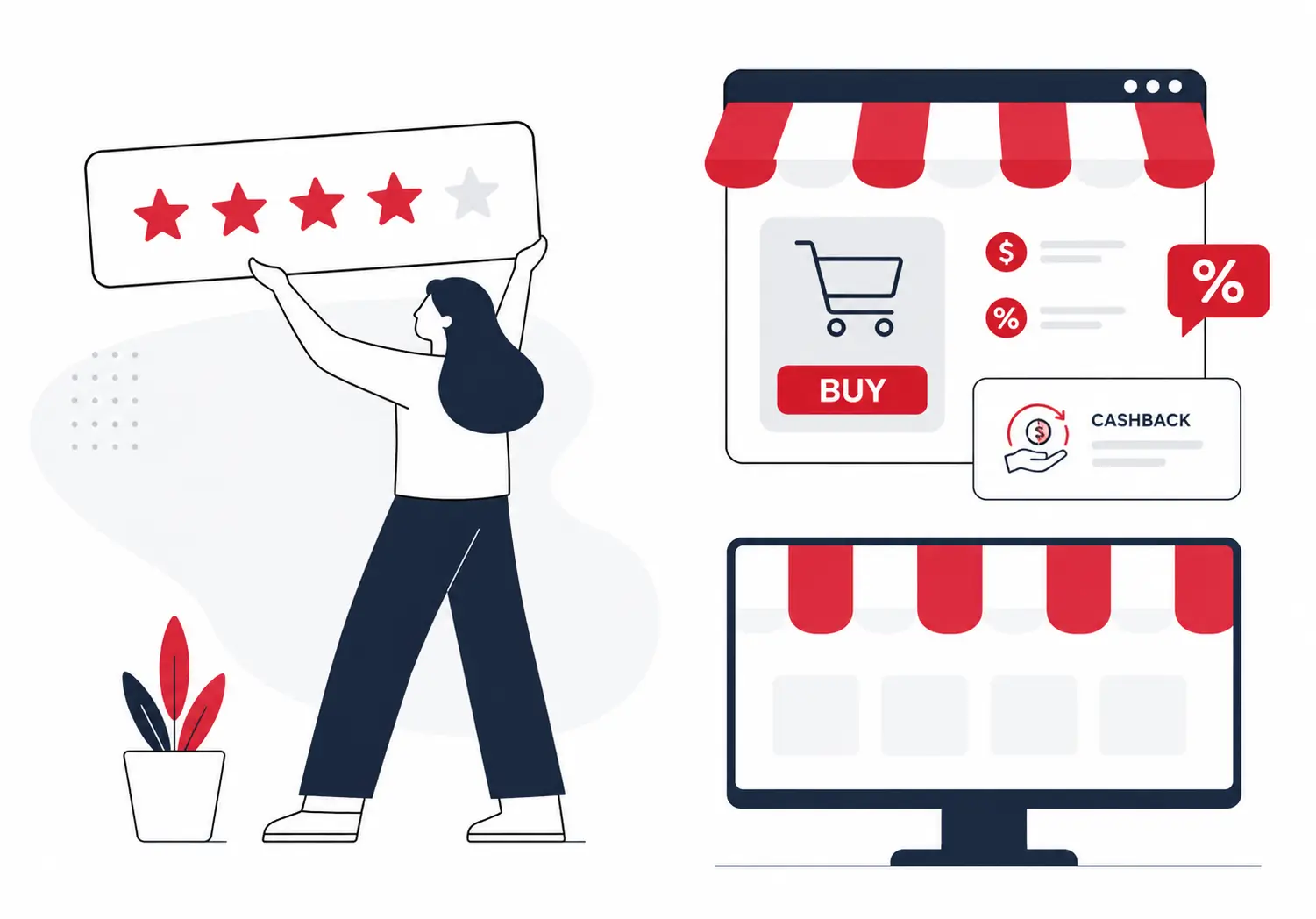
- Star ratings near the product title
- Verified customer reviews with real names
- Clear return and refund policies
- Secure checkout badges
- Shipping timelines stated upfront
- User-generated photos and videos
None of these elements work alone. Together they build the confidence a shopper needs before clicking buy.
Trust solves half the conversion puzzle. The other half comes down to speed and how your page behaves on a phone screen.
Performance Issues That Drive Shoppers Away
Most shopping today happens on a phone. Shoppers swipe fast. They scan a page in seconds and decide whether to stay or leave.
If your product page loads slowly or feels clunky on mobile, you lose buyers before they even read your description.
As per a report, 53% of mobile users abandon a site if it takes longer than three seconds to load.
The Three Second Rule
Page speed follows a simple rule. Keep load time under three seconds. Every extra second past that mark pushes more visitors away. A shopper rarely waits around to see if your page finishes loading. They just hit back and try a competitor instead.
Visitors are more likely to stay and explore when product pages load in two seconds or less.
Heavy images slow pages down the most. Large unoptimized photos and unnecessary scripts add seconds that cost you real sales.
Mobile friction goes beyond speed too. Common mobile problems show up like this.
- Popups that block the screen
- Tiny buttons that are hard to tap
- Add to cart buttons that disappear while scrolling
- Reviews buried far below the fold
- Confusing image galleries
A sticky add to cart button fixes a lot of this. It keeps the buying action visible no matter how far a shopper scrolls.
If your mobile conversion rate sits far below your desktop rate, start your fixes here first.
Speed and mobile experience remove friction. But even a fast, smooth page can still lose the sale if the call to action fails to do its job.
Ineffective Calls to Action Can Reduce Conversions
A shopper can love everything about your product and still leave if your call to action confuses them.
Your CTA button needs to stand out. It should not blend into the background or compete with five other buttons on the same screen.
Clear, simple copy works best. Buttons like “Add to Cart” or “Buy Now” perform better than vague phrases like “Learn More.” Shoppers should know exactly what happens the moment they click.
Placement matters just as much as wording. Your primary CTA should appear near the top of the page and repeat after key sections like reviews and product details. Shoppers should never have to scroll back up just to buy.
A small lift in conversion rate creates a bigger result than most owners expect.
Imagine: A jump from just 2% to 2.75% can push monthly revenue from $600000 past the $1 million mark depending on traffic and order value.
That single stat shows why fixing a weak CTA deserves real attention instead of sitting at the bottom of the to-do list.
Once your CTA pulls its weight, the next opportunity sits in how personal your page feels to each shopper.
Generic Pages Don’t Win Loyal Buyers
Generic product pages struggle to hold attention. Shoppers expect relevance today. They want a page that feels built for them instead of built for everyone.
Personalization changes how a shopper experiences your store. A simple “frequently bought together” section can lift average order value without extra ad spend. Showing products based on past browsing keeps shoppers engaged longer.
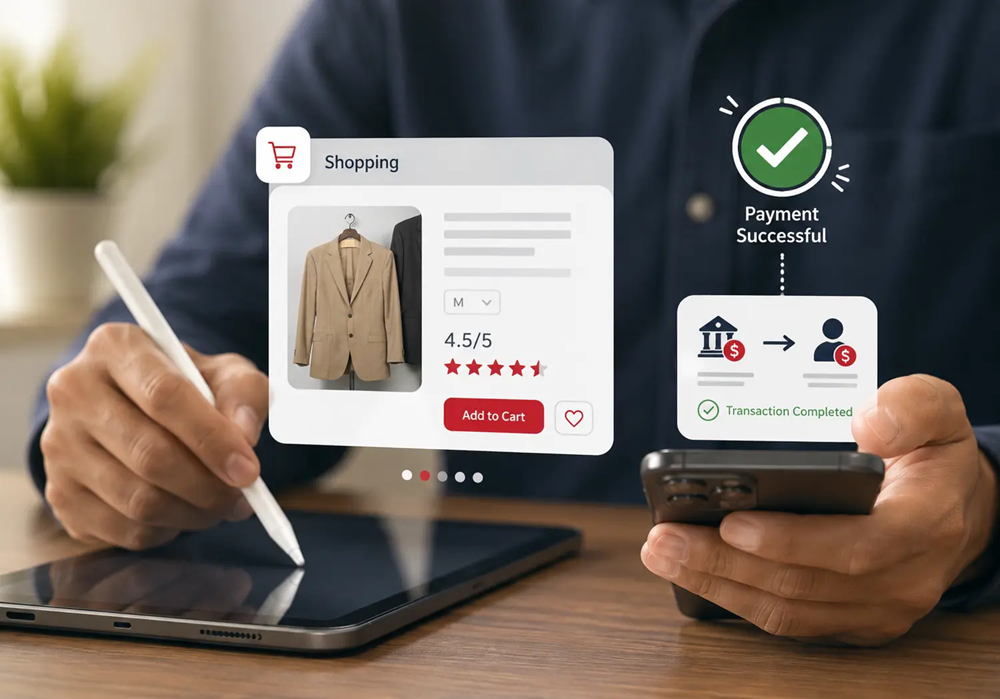
Generic product pages struggle to hold attention because today’s shoppers expect relevance. In fact, 71% of consumers expect personalized experiences from brands, making tailored recommendations and behavior-based content powerful tools for improving engagement and conversions.
Behavior-based content works the same way. A returning visitor who viewed a specific category before should see content that matches that same interest the next time they land on your store.
Let the Data Show You Where Shoppers Drop Off
Guessing wastes time and money. Data shows exactly where shoppers drop off and why.
Start by checking these numbers.
- Product page views
- Add to cart rate
- Checkout start rate
- Mobile versus desktop conversion rate
- Scroll depth
- Exit rate
Each metric points to a different problem. If shoppers leave fast, the issue often sits above the fold. If shoppers view the page but skip add to cart, the issue often points to weak trust or pricing confusion or flat copy. If shoppers add to cart but abandon checkout the issue usually traces back to shipping cost or a clunky checkout flow.
Heatmaps and session recordings add even more clarity. Watching real shoppers move through your page reveals friction points that numbers alone cannot show.
Better conversion does not just add more sales. It often lifts average order value too. One real example shows average order value climbing from $150 to $170 as the page improved and shoppers trusted the brand more.
Here is a simple breakdown of common problems and quick fixes you can apply right away.
| Problem | Quick Fix |
| Unclear product value | Add a short benefit-driven headline near the title |
| Weak product images | Add multiple angles and real-life lifestyle shots |
| Missing trust signals | Place reviews and return policy near the CTA |
| Slow page speed | Compress images and remove unused scripts |
| Buried CTA | Use a sticky add to cart button on mobile |
| Generic product description | Write benefit-focused copy instead of feature lists |
This table works as a quick reference point. Pin it next to your next product page audit.
Data turns guessing into a clear action plan. Once you know where shoppers drop off, you can move straight into fixing the page step by step.
A Quick Checklist to Turn Traffic Into Sales
Fixing a product page does not require a full redesign overnight. Small focused changes often create the biggest jump in conversions.
Follow this simple checklist.
- Review your traffic sources and match content to intent
- Fix the above-the-fold section first
- Move trust signals closer to the CTA
- Rewrite weak product descriptions with real benefits
- Add images that answer real buyer questions
- Add an FAQ section for common objections
- Test changes before scaling ad spend further
Work through this list one step at a time. Trying to fix everything at once often creates more confusion than progress.
Track your results after each change. Watch add-to-cart rate, checkout rate, and overall revenue closely. The goal stays simple. More traffic that actually converts beats more traffic alone.
The Real Fix Starts on the Page Not the Ad Budget
High traffic without sales feels frustrating. It almost feels personal after a while. But the fix rarely means spending more on ads.
Your product page carries the real weight of every marketing dollar you spend. Fix the page first, and your existing traffic starts working harder for you.
Start small. Pick one section from this article and apply it this week. Watch how shoppers respond before moving to the next fix. The brands that win online are not the ones with the biggest ad budgets. They are the ones whose product pages actually convert the traffic they already have.
Buying more traffic won’t solve a product page that isn’t converting. The brands seeing the strongest ecommerce growth are the ones improving the pages customers already visit. If you’re ready to turn more of your existing traffic into revenue, ResultFirst can help. Our SEO Services for Ecommerce combine technical SEO, product page optimization, and search-driven content strategies that attract qualified shoppers and help convert more of them into customers.
Source Referenced:
- https://www.shopify.com/blog/ecommerce-conversion-rate
- https://www.envive.ai/post/ecommerce-conversion-rate-statistics
- https://www.bigcommerce.com/articles/ecommerce/abandoned-carts/
- https://www.scoreapp.com/why-95-of-your-ecommerce-visitors-leave-without-buying/
- https://www.brightlocal.com/research/local-consumer-review-survey/
- https://www.sitebuilderreport.com/website-speed-statistics
- https://www.mckinsey.com/capabilities/growth-marketing-and-sales/our-insights/unlocking-the-next-frontier-of-personalized-marketing
FAQs:
WHAT TO READ NEXT
READY TO BUILD PREDICTABLE ORGANIC GROWTH?
We are the only TOP SEO services agency providing Real Results in a Real Performance model. We help growth hungry companies outperform their competition and achieve 300%+ growth in their digital marketing initiatives.
- San Jose, CA, 95120

- +1-888-512-1890

- sales@resultfirst.com

300K+
KEYWORDS RANKED
546M+
REVENUE GENERATED
18 Years
SOLVING COMPLEX SEO
150+
TEAM MEMBERS