



 sales@resultfirst.com
 +1-888-512-1890
How to Build an eCommerce Blog That Drives Sales, Not Just Traffic

Most eCommerce blogs bring traffic, but very few drive sales. That is the real problem. Data shows that the global eCommerce conversion rate stays between 1.9% and 3% in 2026. Even more surprising, only top-performing stores cross 4-5% conversion rates. This means most visitors read content but never buy. At the same time, cart abandonment sits around 70%, which shows a huge gap between interest and action.
A blog should not just bring visitors. It should guide users to take action. That is where strategy matters. A well-built eCommerce blog connects SEO, user intent, and conversion optimization. It answers real questions and leads users toward purchase decisions.
This guide explains how to build a blog that does more than rank. It turns readers into buyers.
Why are Blogs Important for E-commerce?
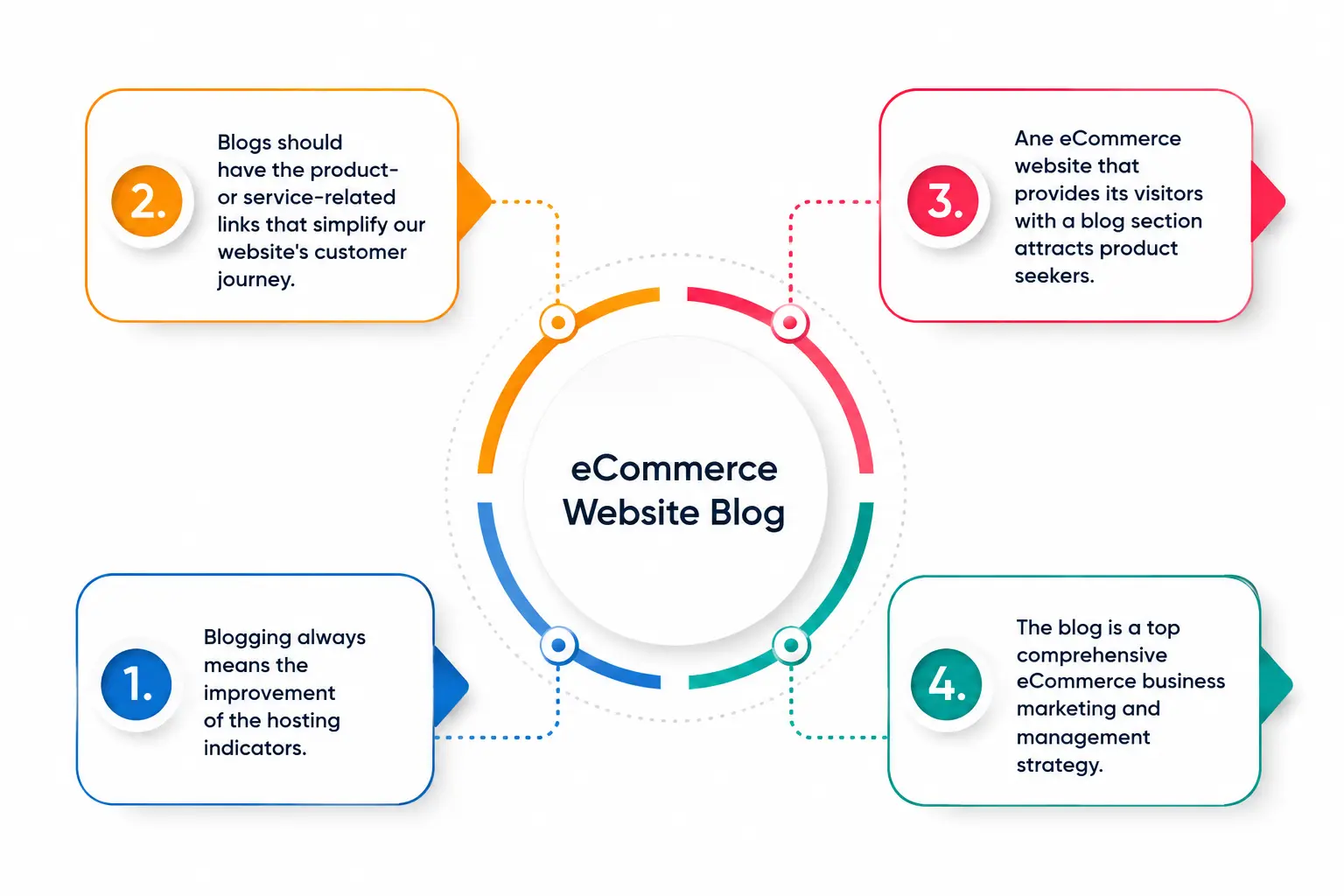
The web shapes how people decide what to buy. When shoppers search for solutions, blogs answer their questions in a friendly voice. Blogs, as opposed to cold product pages, foster trust. For eCommerce sites, this trust turns curious readers into paying customers without hard selling. Google still displays your blog post for those searching for such related topics even way back in 2026!
- The blog helps SEO through the creation of fresh, keyword-laden pages.
- It simplifies product features with engaging stories that everyone can relate to.
- It creates customer loyalty with relevant tips and recommendations, not discounts.
Why Most eCommerce Blogs Fail to Drive Sales
Many brands think traffic equals success. That is not true. Traffic without conversions wastes time and money. Most blogs fail because they focus only on rankings. They ignore buying intent.
Common issues include:
- Content targets broad keywords with low intent
- No clear connection between the blog and the product pages
- Weak internal linking
- No call-to-action or poor placement
- Lack of trust signals
Search engines bring users, but content must convert them.
Traffic vs Revenue Mindset
A high-traffic blog with no sales creates false success. Conversion rate is the real metric that matters. The goal is simple. Build content that attracts buyers, not just readers
- A 2.5% conversion rate is average
- A 4%+ rate puts you ahead of most competitors
- Even small improvements can double revenue
1. Start with a search intent that matches buying behaviour
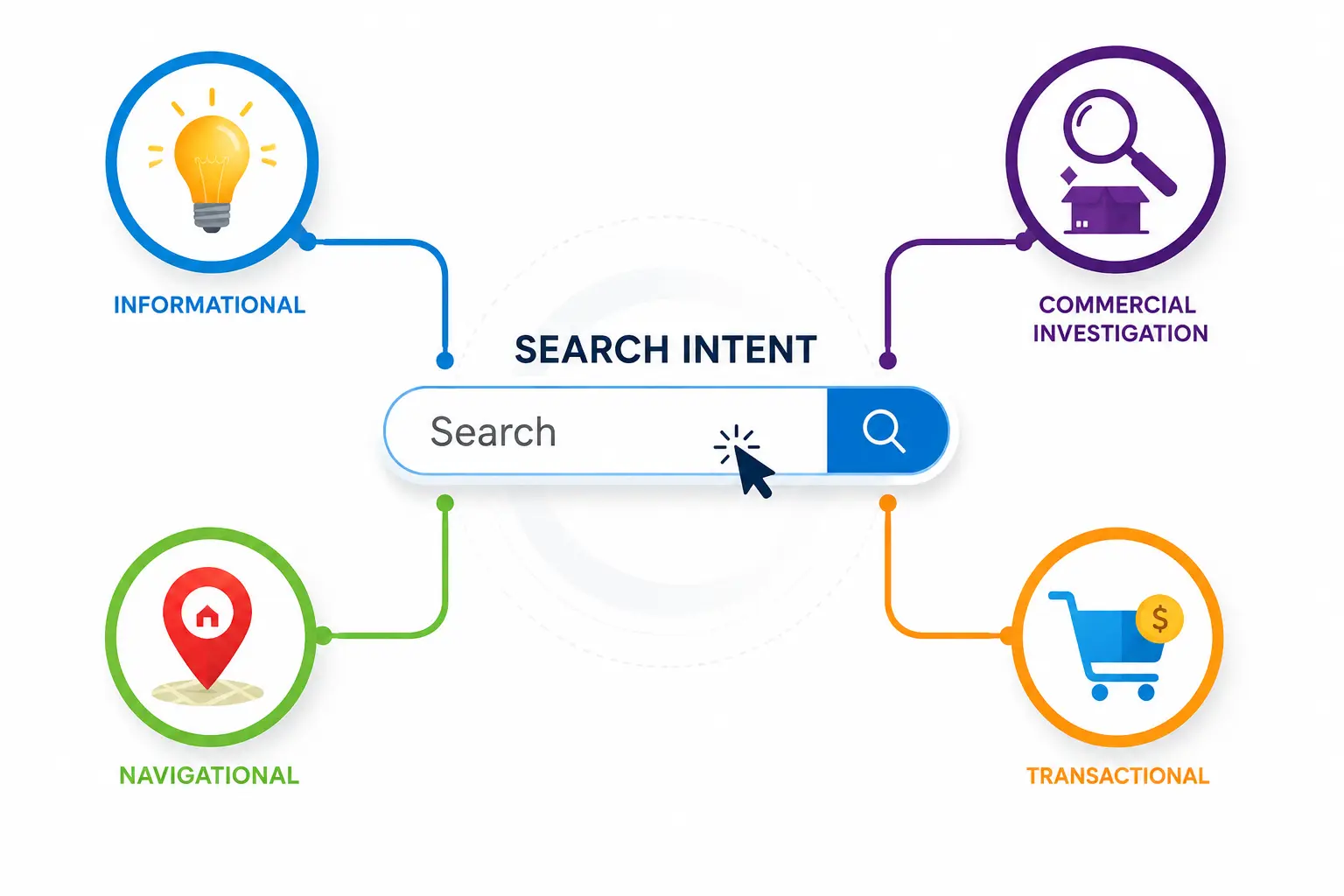
Start with search intent that matches buying behavior. Not all keywords bring the same value. Some users search for information, whereas some are looking to act. Your content should be based on an intent that will attract the users looking to engage and purchase. This increases engagement rates and conversions.
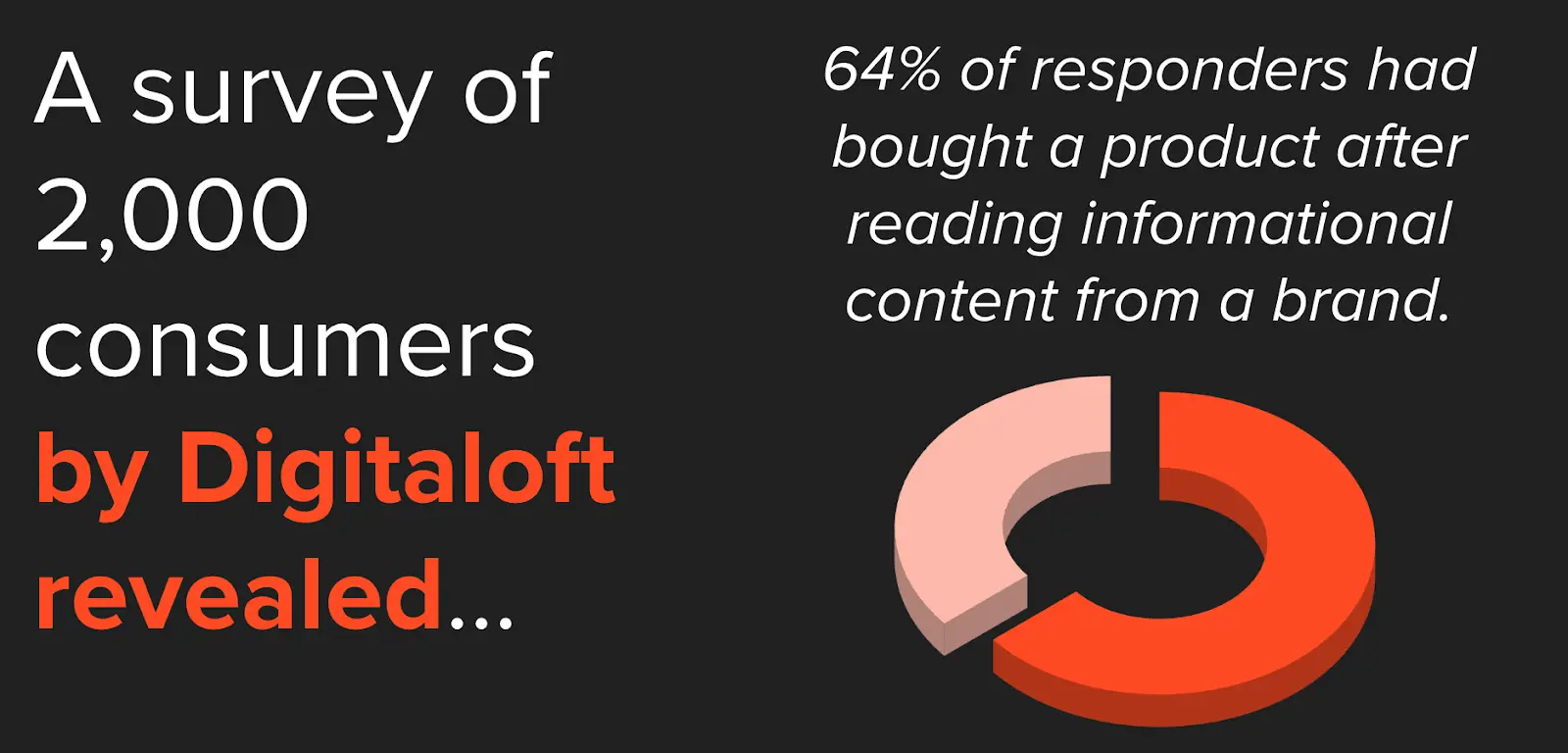
Source: DigitalLoft
Focus on high-value intent:
- Commercial intent matters more when trying to get the maximum out of your content. Consider commercial intent, which involves a comparison of various products to decide which one fits
- Transactional intent targets users ready to purchase. They search with clear intent, so your content should guide them quickly to product pages. Example: buy running shoes online
- Problem-solving intent helps users fix issues. When you offer clear solutions, you build trust and naturally lead them toward relevant products or services. Example: how to fix a slow laptop
How to Find High-Intent Keywords
- Use data-driven methods: Analyze “People Also Ask” questions
- Study competitor blogs
- Use long-tail keywords
- Focus on specific problems
Long-tail keywords bring less traffic but higher conversions.
2. To incorporate SEO Best Practices
It is important to incorporate SEO best practices in case your objective is to have steady traffic generation for your blog and subsequent sales generation. This includes identifying keywords that will relate to your target audience.
For this purpose, you can use tools such as Semrush and Moz for the identification of the relevant keywords. Instead of working with a keyword alone, try to develop content on a topic, which would ensure a higher rank for your blog.
SEO best practices include the following:
- Writing content on topics and not just keywords
- Using structuring through headings for readability
- Using keywords in the meta title and description
- Ensuring that your blog is mobile-friendly
3. Zero-Click Content & AI Optimization
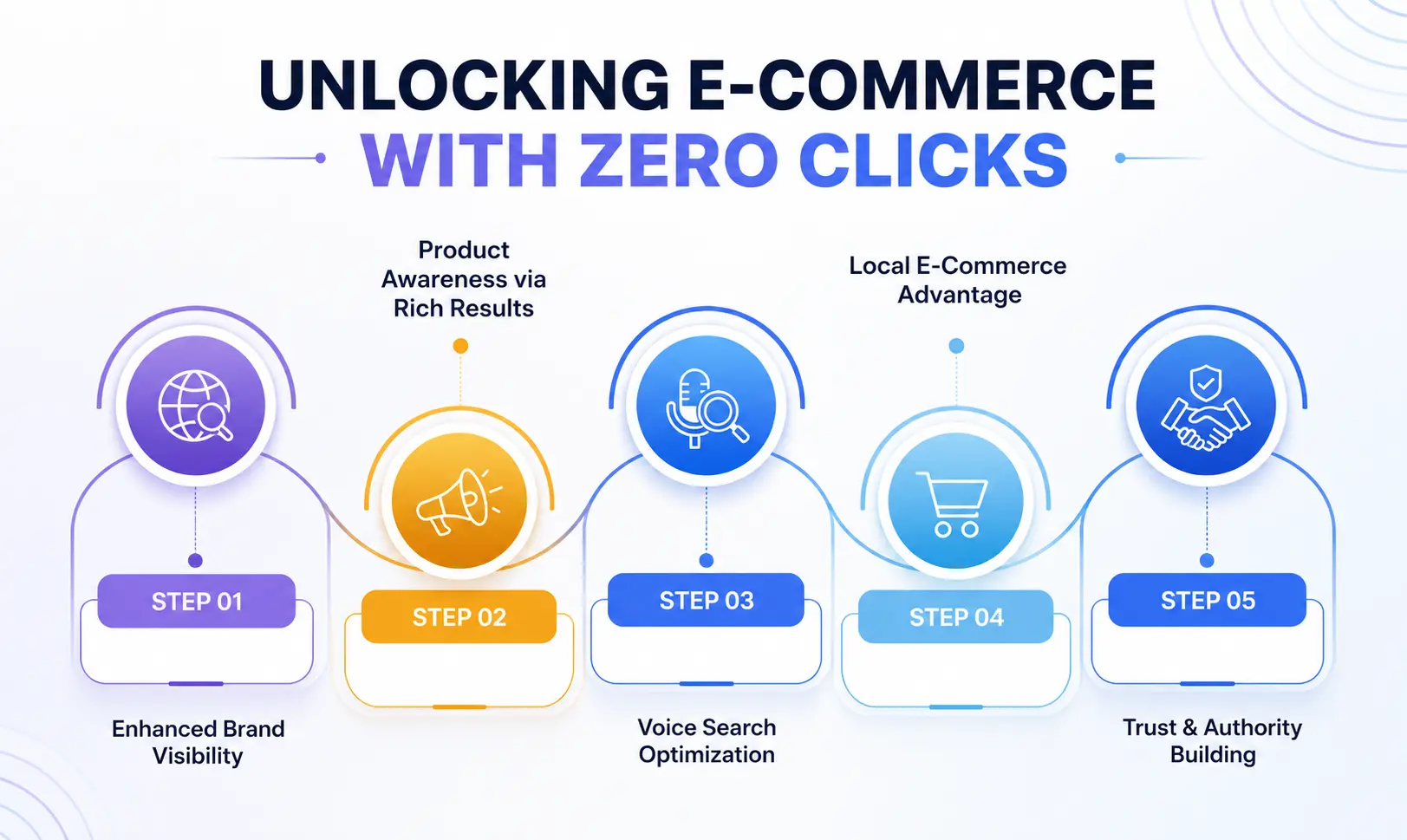
In 2026, people won’t click through the link anymore. They’ll ask ChatGPT, Google’s AI Overviews, or Perplexity about it. If you can’t give them the right answer, the AI will give the information from another website. Your article should provide the answer to the query right in the first sentence. This way, the AI will recite the response to your client before providing any other result.
The Core Idea: Write the answer to the question right away. Do not make people scroll. Do not tell a long story. Answer now. Explain the details later.
Studies show that roughly 91% of pages with zero backlinks get zero traffic. That means if no other website links to you, search engines assume you are not a trusted source.
The Fix: Use definition lists and bullet points. AI systems love organized lists. Break down every concept into parts. Place a title for each inquiry, followed by the answer beneath it.
The Stat: Moving from a 2% to a 4% conversion rate doubles your revenue without spending a dime on ads.
4. Add Strong Calls-to-Action That Feel Natural
Adding strong calls-to-action is important if you want your blog to drive sales. A blog without a clear next step can lose interested users. CTAs should guide readers smoothly without feeling forced. When placed naturally, they improve user experience and increase conversions.
Use different CTA formats based on your content:
- Inline text links that blend with the content
- Product suggestions that match user needs
- Buttons with clear and simple actions
- Exit-intent popups to capture leaving visitors
Follow best practices to keep CTAs effective:
- Place CTAs after delivering useful information
- Use simple and clear language
- Avoid pushy or aggressive wording
- Match the CTA with the user’s intent
For example, after a guide, suggest exploring products. After comparisons, guide users to check pricing or details.
5. Keeping Your Blog Topic Up To Date
Staying on top of the topics on your blog is essential if you want to maintain relevancy and draw an appropriate target audience. Search trends vary according to seasonality, events in the news, and online behavior. When you post information that is aligned with current search interests, it enhances credibility and promotes more interaction from your visitors. Staying current allows for increased search engine optimization and steady traffic flow.
Here are some easy ways to do this:
- Keep track of trends using resources such as Google Trends and social media sites.
- Check out industry blogs and newsletters for up-to-date information.
- Gather ideas from customer reviews and surveys.
- Discover gaps within your content through keyword research and AI assistance.
For example, if “outdoor workouts” start trending, create content around it. A blog like “Top Outdoor Workouts for Summer” matches user interest and improves visibility while keeping your content timely and useful.
6. User Generated Content (UGC) as Proof
You can say your product is good, but that is just marketing. When a real customer says it, that is trust. In 2026, content made by regular customers is the number one reason people buy things online. Shoppers believe other shoppers more than they believe brands.
Implications: Place your clients’ images and testimonials directly on your blog post. Do not make them appear in a different tab. As soon as a potential client comes across the real people enjoying your products, they will not hesitate to pay for them.
The 2026 Updates:
- AI-Powered Avatars for Introverted Clients: Your clients may give your product an excellent review but may not be willing to record a video testimonial. You could use artificial intelligence to create an avatar for them. The AI-powered avatar will read their reviews aloud. However, you have to add a disclaimer stating that the actor is AI-generated.
- SEO-Friendly Reviews: Review widgets on some websites require users to click a button before seeing the reviews. It is a bad practice since search engines cannot click buttons. The lack of visibility reduces the chance of Google indexing your reviews. Make sure that your reviews become visible as soon as the webpage loads.
How Does It Work? People trust actual testimonials more than advertisements. When clients see other buyers raving about your product, they will stop delaying and order right away.
7. Making Interactive Elements
Interactivity can turn your blog into something that will be more interesting for your visitors and help you increase engagement with your content. Interaction is always more personal than passive consumption of information and can build additional trust.
Besides, it gives you information about what your audience prefers. Many contemporary website-building platforms and artificial intelligence-powered tools allow creating interactive content without any coding knowledge.
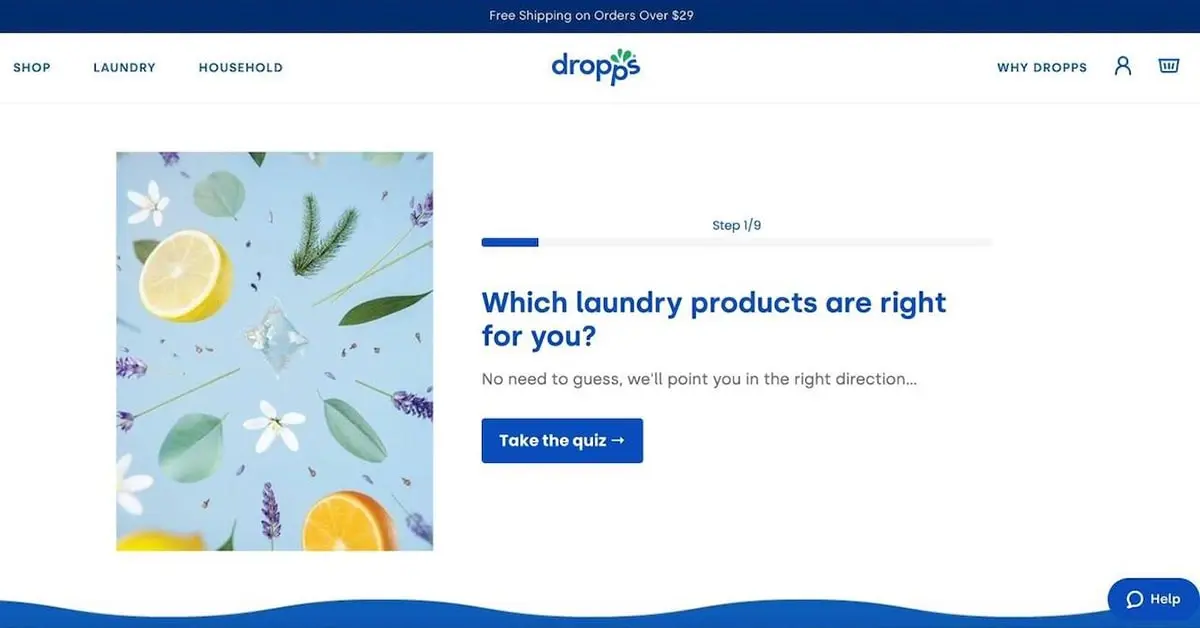
Source: ConvertFlow
Here is what you can use:
- Polls and quizzes to have a two-sided conversation and get some information about users’ preferences
- Accordions to structure long texts nicely
- Interactive tools for comparison, to describe products or services features, or to demonstrate “before” and “after” effects visually
- Interactive buttons for quick actions through embedded forms and checklists
AI can help you with formulating questions, creating polls, and even generating checklists.
Conclusion: Turn Your Blog Into a Sales Engine
Chasing “likes” and “visitors” is an expensive game. In 2026, the goal is Revenue Per Visitor (RPV).
The secret to success comes down to creating intent-oriented content, offering a great user experience, and conversion optimization. Start by thinking about what problems your content can solve. Connect every piece of content to a product or solution. Use clear structure, build trust, and guide users with smart calls to action.
An ecommerce blog should be more than a source of traffic. It should become a reliable channel for attracting qualified shoppers and influencing purchase decisions. That’s exactly what a growth-focused SEO strategy is designed to achieve. Our SEO Services for Ecommerce Stores help brands build content ecosystems that improve search visibility, strengthen buyer journeys, and turn more organic traffic into measurable revenue.
Drive real growth with ResultFirst. Get a result-focused SEO service that will bring more visibility, high-intent traffic, and conversions to your website. Contact us Today!
Sources Referenced:
- https://www.ringly.io/blog/ecommerce-conversion-rate-statistics-2026
- https://thunderbit.com/blog/ecommerce-conversion-statistics
- https://www.barchart.com/story/news/745948/infintech-designs-publishes-conversion-rate-optimization-guide-with-four-phase-testing-framework-eight-data-backed-strategies-and-30-day-implementation-roadmap
WHAT TO READ NEXT
READY TO BUILD PREDICTABLE ORGANIC GROWTH?
We are the only TOP SEO services agency providing Real Results in a Real Performance model. We help growth hungry companies outperform their competition and achieve 300%+ growth in their digital marketing initiatives.
- San Jose, CA, 95120

- +1-888-512-1890

- sales@resultfirst.com

300K+
KEYWORDS RANKED
546M+
REVENUE GENERATED
18 Years
SOLVING COMPLEX SEO
150+
TEAM MEMBERS