



 sales@resultfirst.com
 +1-888-512-1890
The Complete Ecommerce SEO Guide & Playbook for 2026: Rank Higher, Sell More, Scale Faster

Running an online store comes down to one simple goal:
Put your products in front of the right people and encourage them to buy.
That idea hasn’t changed. But the places shoppers buy from have.
Today, buyers bounce between Google, LLM-based AI platforms (ChatGPT, Gemini, Perplexity, etc.), voice search, social apps, and marketplaces. They want quick answers, clear product details, and a checkout that just works.
Any friction? They’re gone.
When your online store delivers clear info, fast load, and smooth flow, trust builds almost instantly.
In 2026, it’s about serving algorithms and humans at the same time with clean pages, useful content, and zero roadblocks.
This ecommerce SEO guide and playbook for 2026 breaks down exactly how to do that and covers technical foundations, content strategy, AI search visibility, and scalable growth systems.
That’s where advanced e-commerce SEO comes in handy. The strategy cuts wasted spend, attracts audiences who convert, and keeps you visible in both traditional search and AI results.
What Is Ecommerce SEO?
E-commerce SEO is the practice of helping online stores show up their products where and how people search today and convert that visibility into sales. It goes beyond ranking for a few keywords.
The strategy accounts for AI search, voice queries, and rich results by using schema, strong product data, and buyer-focused content. The modern SEO also focuses on search intent, page speed, clean site structure, and content that answers detailed queries.
The goal is simple: make your website easy to find, fast to use, and trustworthy to both search engines and real shoppers. No friction, no fluff.
Ecommerce SEO in 2026
E-commerce SEO in 2026 means helping online retailers show up in:
- Google AI Overviews
- Voice search results
- In the responses of ChatGPT, Gemini, and Perplexity
- Product carousels and “best of” lists
- Conversational shopping tools used by ChatGPT-style assistants
Earlier, buyers typed short keywords like “best smartphones under $100” or “best CRM” in traditional search engines.
For example:
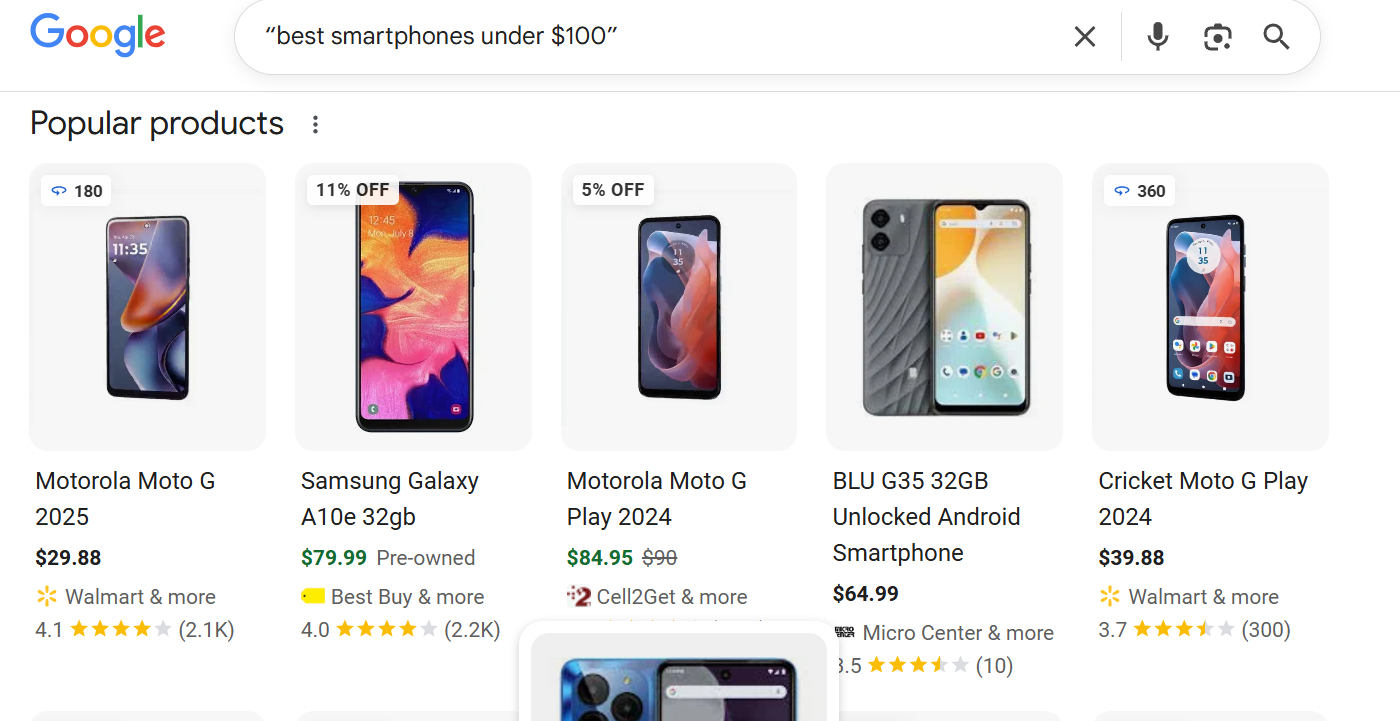
Shoppers don’t search like robots anymore. They search the way they talk and think. Instead of typing, they write in an AI search:
For example:
- “I need a budget-friendly smartphone under $200 that’s actually decent, any suggestions?”
- “I am looking for a budget smartphone under $200 with good battery life. Suggest me best products?”
- “Can you compare a few smartphones under $200 and tell me which one I should buy?”
See the search term below in ChatGPT:
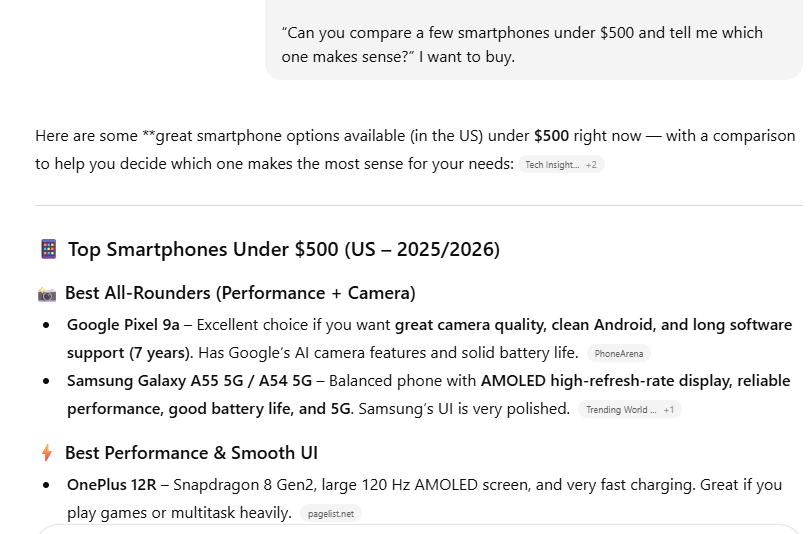
For SEO, the playbook has undergone significant changes.
Your pages need clear product explanations that answer real questions end to end. However, they also need core keywords.
When you combine short keywords with detailed, intent-driven searches, you show up in both traditional search results and AI platforms.
Here is why ranking on both matters:
- ChatGPT handles around 66 million search-style prompts each day, while Google processes close to 14 billion daily searches, about 210× more than ChatGPT. The latest AI search reality check, via Rand Fishkin, CEO and co-founder of SparkToro.
- A survey found that 77% of U.S. users treat ChatGPT as a search engine, with about 24% using it as their first stop.
Curious how your brand can appear in ChatGPT, Gemini, and Perplexity answers? Talk to our experts and start owning AI search today.
How AI Search Engines Find, Understand, and Rank E-commerce Products?

Google AI Overviews, Perplexity, ChatGPT Shopping, and Gemini pull details straight from your site: price, specs, reviews, and comparisons.
They do more than index pages. They read products like humans. They understand entities, attributes, and relationships, helping the right items reach the right audience.
Here’s what AI looks at:
- Entity signals: Product name, brand, category, uses, and benefits
- Attribute signals: Material, size, color, ingredients, compatibility, and specs relevant to the product type
- Relationship Signals: Products it’s often compared to, problems it solves, who it’s for, categories it belongs to
- Structured Data: Product, review, offer, FAQ, and video schemas help AI understand your content.
- Product Feed Data: Google Merchant Center feeds directly impact AI-driven visibility, so accurate and complete data is crucial.
Also, read how AI search is transforming e-commerce product discovery.
Now, you have learned how AI search engines discover and rank ecommerce products. Let’s discuss tactics to optimize your page.
Related Read: Top 10 AI Shopping Assistants for E-commerce
How to Optimize Your Product Page Content for AI?
AI doesn’t “guess” product details. It spots patterns in mountains of data it was trained on, like product specs, manuals, reviews, listings, and plain old human writing.
That means your site must clearly show every product detail.
Here is what to do:
Improve Product Page Content for SEO and AI
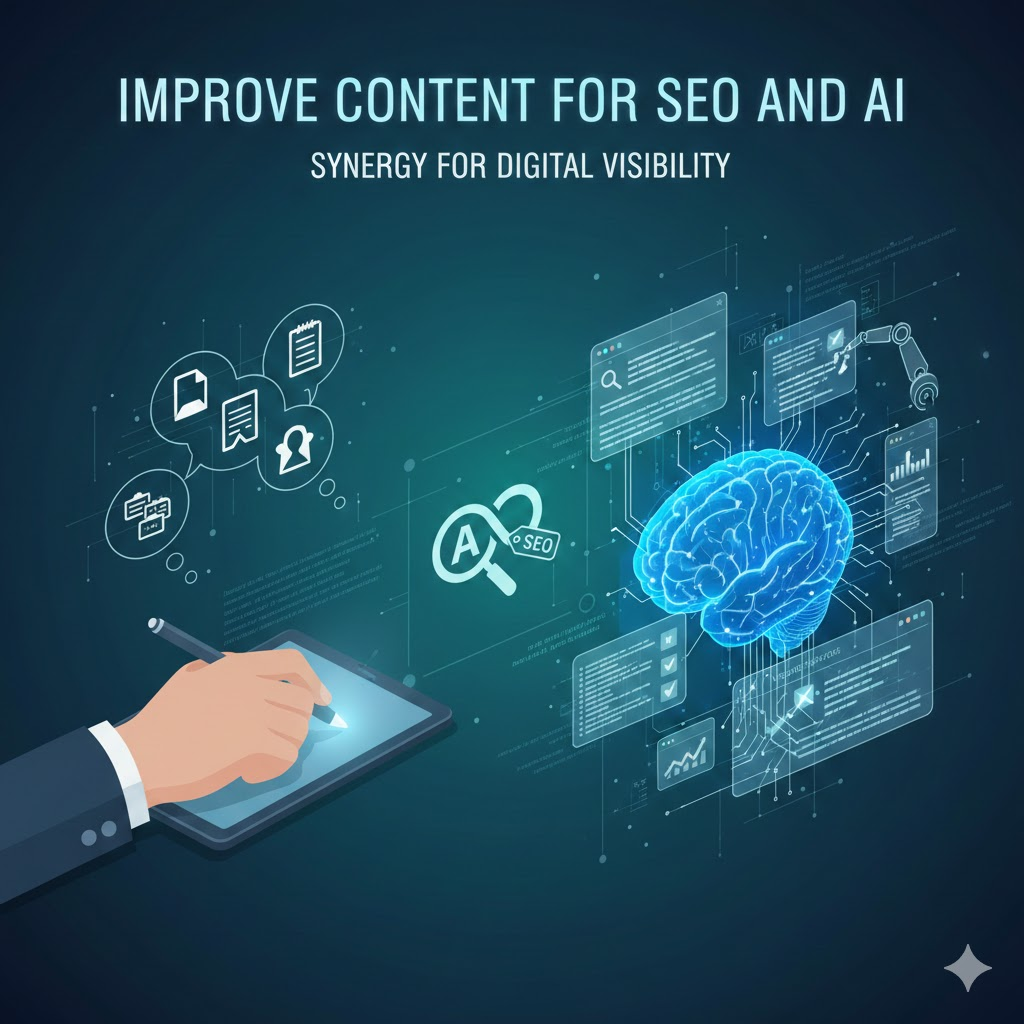
To improve content, make it clear, unique, and structured so that both users and AI systems can understand. It is important because well-optimized content boosts search rankings, enhances AI-driven recommendations, and drives more qualified traffic.
Steps to improve content:
- Write unique product descriptions: Highlight benefits, features, and USPs
- Use structured data: Apply product, review, FAQ, and guide schema
- Include FAQs and guides: Answer common customer questions
- Optimize for keywords and intent: Target buyer-focused terms naturally
- Leverage multimedia: Use images, videos, and infographics for richer content
- Update regularly: Refresh content to reflect new products, trends, or insights
This makes it easy for AI and shoppers to understand and recommend your products.
Example,
Let’s assume you’re selling shoes online. Do not just list the name and price. Instead, go deep into the features and cover things like:
- Arch type: flat, neutral, or high, so buyers know if it fits their foot structure
- Terrain suitability: road, trail, gym, or mixed-use
- Cushion level: soft, medium, firm, which helps buyers understand comfort for long wear or impact activities
- Material breathability: mesh, knit, leather that affects airflow, moisture control, and durability
- Closure type: laces, velcro, slip-on. So users know convenience and fit
- Weight: light, medium, heavy, important for runners or hikers
- Durability factors: outsole type, stitching, water resistance
- Use case: everyday wear, running, hiking, or casual fashion

Source: Zappos
The more precise you are, the easier it is for AI to read and classify your products, and the easier it is for shoppers to make a confident buying decision.
In another example.
If you’re selling headphones, go beyond basic descriptions. Include the brand, clearly list technical specs, and add a comparison chart.
- Audio specs: frequency range, driver size, impedance
- Connectivity: Bluetooth version, codec support, NFC
- Battery life: hours per charge, quick-charge features
- Comfort & design: over-ear, on-ear, foldable, weight
- Extras: noise cancellation, voice assistant support, water resistance
Example from Amazon:
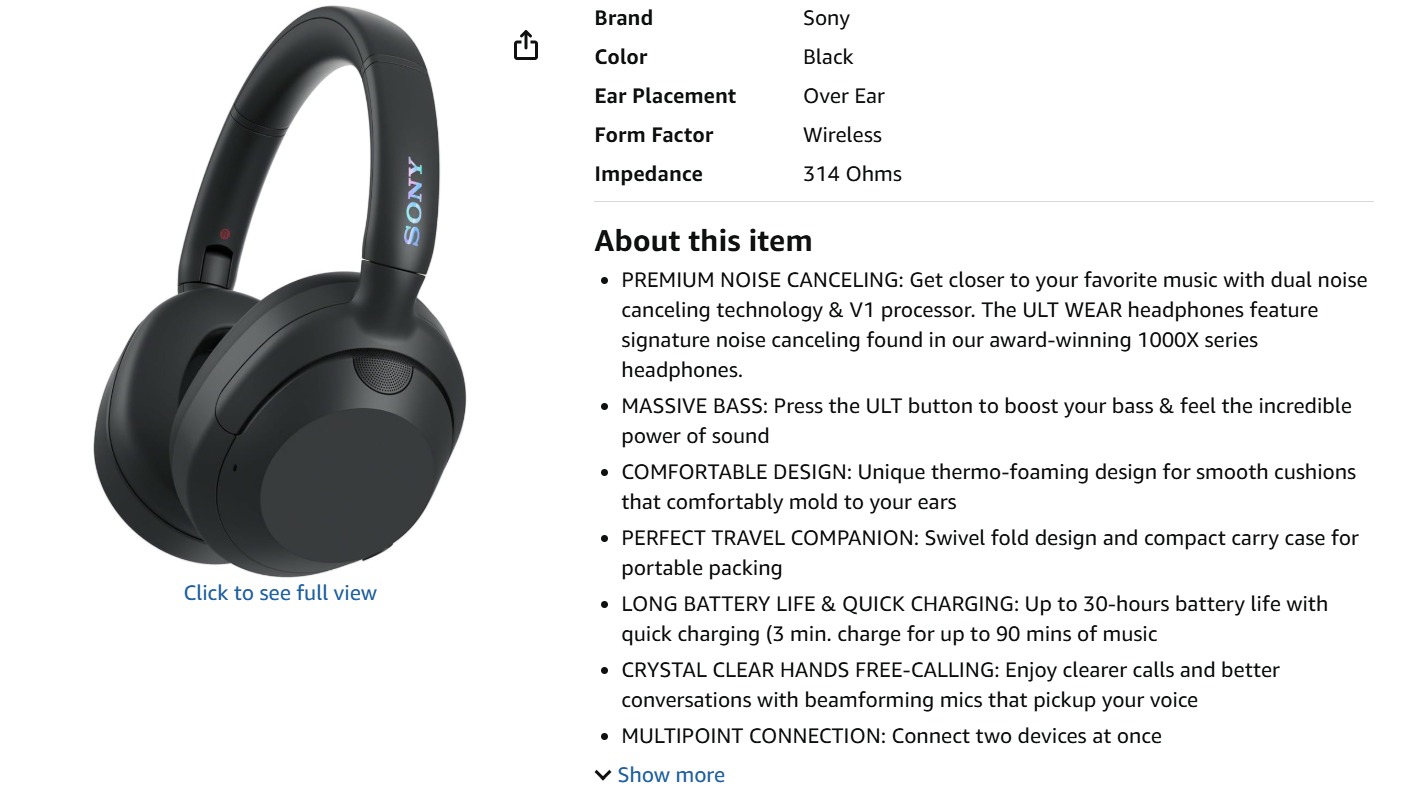
Check how Amazon adds a comparison chart:
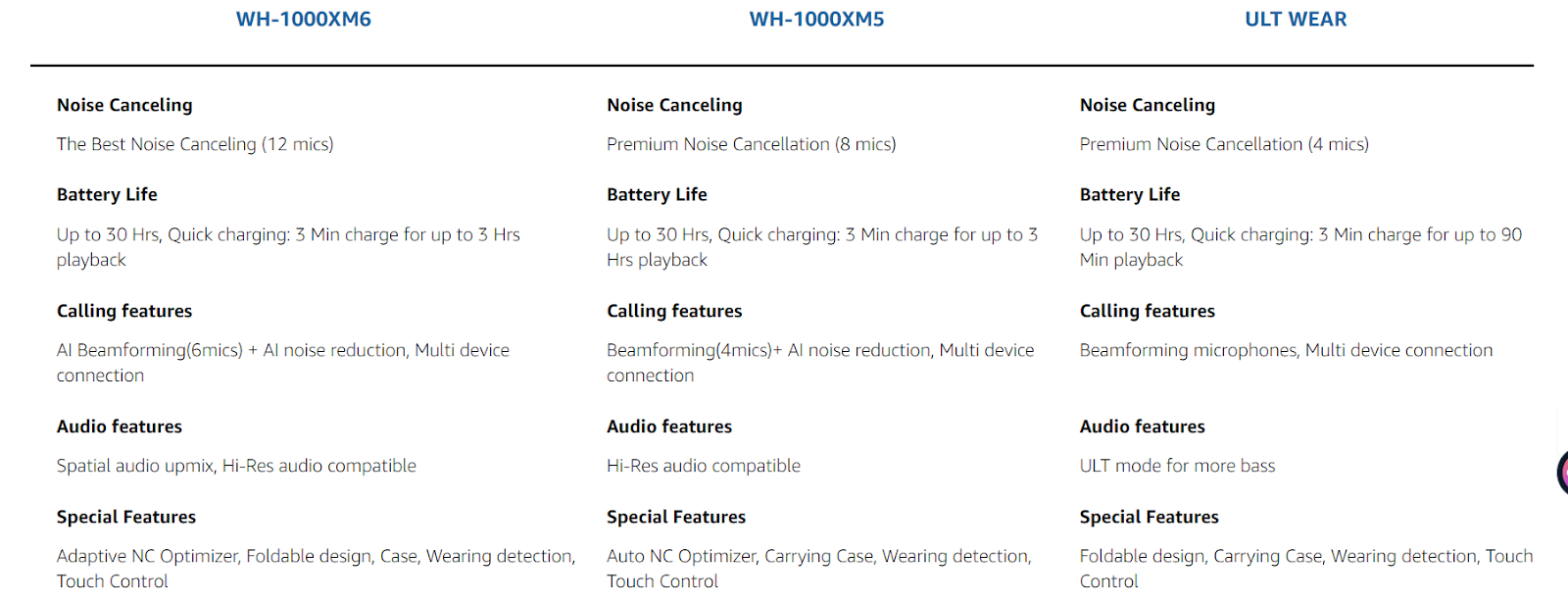
Doing this helps AI understand your product in context. It might start recommending your headphones alongside Bose and Sony in searches like “best wireless headphones for 2026.”
Read More: Effective Strategies for E-Commerce Product Page SEO
Build a High-Impact Content Strategy
A strong content strategy isn’t about publishing more. It’s about publishing the right content at the right time. For e-commerce, that means content that matches how people shop, search, and decide while staying visible in search and AI tools.
Key components of a content strategy:
Content for Buyer Journey?
Map content to the buyer journey. It will help deliver the right message at the right stage, guiding users from awareness to purchase. Each stage needs tailored content that informs, convinces, and converts.
Steps to map content effectively:
- Awareness: Create educational blogs, guides, and videos that introduce problems or trends.
Example:
- “How to choose running shoes”
- “Best materials for winter jackets”
- Consideration: Offer comparison articles, product roundups, and in-depth reviews to help users evaluate options.
Example:
- Best running shoes for flat feet
- Top waterproof jackets under $200
- Decision: Provide detailed product pages, case studies, demos, and clear CTAs to drive conversions.
Example:
- Product pages
- Category pages
- Comparison pages
Mapping content ensures the brand influences decisions at every touchpoint.
Topical Clusters
Topical clusters organize content around core themes to enhance SEO relevance and facilitate both user and search engine navigation of your site. Grouping related pages under a central hub boosts authority and makes internal linking more effective.
Steps to build topical clusters:
- Identify core topics: Choose main categories or high-value products as the hub
- Create supporting content: Write blogs, guides, FAQs, and comparison pages around the hub topic
- Link strategically: Connect all cluster content to the hub and between related pages
- Target keywords by intent: Align each piece with informational, commercial, or transactional intent
- Use structured data: Apply schema to highlight content types and improve visibility
Here’s an SEO-ready topical cluster table for the shoes business. You can drop this straight into a content plan, Google Sheet, or pitch deck.
| Pillar Topic | Cluster Category | Page Title / Keyword Target | Search Intent | Page Type |
| Running Shoes | Pillar Page | Running Shoes: Types, Fit, Brands & Buying Guide | Informational | Pillar |
| Running Shoes | Foot Type | Best Running Shoes for Flat Feet | Commercial | Blog |
| Running Shoes | Foot Type | Running Shoes for High Arches | Commercial | Blog |
| Running Shoes | Foot Type | Neutral vs Stability Running Shoes | Informational | Blog |
| Running Shoes | Foot Type | Running Shoes for Overpronation | Commercial | Blog |
| Running Shoes | Use | Road Running Shoes | Commercial | Category / Blog |
| Running Shoes | Use | Trail Running Shoes | Commercial | Category / Blog |
| Running Shoes | Use | Treadmill Running Shoes | Commercial | Blog |
| Running Shoes | Use | Marathon Running Shoes | Commercial | Blog |
| Running Shoes | Runner Profile | Running Shoes for Beginners | Informational | Blog |
| Running Shoes | Runner Profile | Running Shoes for Heavy Runners | Commercial | Blog |
| Running Shoes | Runner Profile | Running Shoes for Wide Feet | Commercial | Blog |
| Running Shoes | Runner Profile | Running Shoes for Men | Commercial | Category |
| Running Shoes | Runner Profile | Running Shoes for Women | Commercial | Category |
| Running Shoes | Features | Cushioning in Running Shoes Explained | Informational | Blog |
| Running Shoes | Features | Heel Drop in Running Shoes | Informational | Blog |
| Running Shoes | Features | Carbon Plate Running Shoes | Commercial | Blog |
| Running Shoes | Features | Lightweight Running Shoes | Commercial | Blog |
| Running Shoes | Brands | Best Nike Running Shoes | Commercial | Blog |
| Running Shoes | Brands | Brooks vs ASICS Running Shoes | Commercial | Comparison |
| Running Shoes | Brands | Best Hoka Running Shoes | Commercial | Blog |
| Running Shoes | Brands | Are Saucony Running Shoes Good? | Informational | Blog |
This creates a semantic ecosystem that strengthens rankings across all cluster pages.
Click to learn how structured content builds authority.
Seasonal Content Strategy
Seasonal content is effective when it aligns with buying intent.
- Plan content around real demand: holidays, events, product cycles
- Publish 30–60 days early so search and AI can pick it up
- Reuse evergreen seasonal pages and update them yearly
- Add seasonal use cases to product pages
- Tie content to current trends and buyer needs
UGC Integration Strategy
User content builds trust fast.
- Place reviews on product and category pages
- Highlight detailed reviews, not just star ratings
- Reuse reviews in FAQs and guides
- Add customer photos and social posts
- Group UGC by use case or audience
E-E-A-T Content that Influences Ecommerce SEO
Trust matters more than ever in 2026. E-E-A-T—experience, expertise, authority, and trust – helps search engines decide which e-commerce sites deserve visibility. It also improves rankings, builds buyer confidence, and drives conversions. E-E-A-T is important because Google looks for signals like:
- Brand authority
- Real customer reviews
- Transparent policies
- Product expertise
- Return/refund clarity
- Awards, certifications
- Founder story or brand credibility
To strengthen E-E-A-T for e-commerce:
- Show expertise: Publish clear product guides and detailed explanations
- Prove experience: Use real reviews, testimonials, and use-case examples
- Build authority: Earn links and mentions from trusted sites
- Increase trust: Show secure checkout, transparent policies, and real contact details
- Use structured data: Apply product and review schema to support credibility
When buyers trust your site, search engines do too. That’s how E-E-A-T turns visibility into sales.
Learn what EEAT is and why it is a must for your e-commerce store.
We discussed modern e-commerce SEO, how AI ranks products, and steps to optimize product page content, but this alone won’t get you to the top of traditional search results or earn visibility in AI-driven recommendations.
To hit those goals, the technical side matters just as much. Keep reading as we break down the technical SEO foundation every e-commerce site needs.
Technical SEO Foundation for E-commerce to Rank on AI and Traditional Search Engines
A solid technical SEO setup makes your site easy for AI, traditional search engines, and shoppers to navigate.
Create an Easy-to-Understand URL Structure
Since you’re running an online store, keep your URLs simple, short, clean, and easy to read. The URL should tell where you are in the store and what’s being sold.
- Keep URLs lean and free of fluff
- Use real words that match what the page sells
- Stick to one clear path for each page
- Use hyphens, not underscores
- Avoid odd strings, long IDs, dates and random numbers
- Avoid auto-generated codes, Long filter parameters
For example:
- site.com/category/sub-category/product-name
- site.com/products/product-name
At a glance, you know exactly where you are and what you’re looking at. No guessing, no clutter, just clear paths that work for shoppers and search engines alike.
Structure Site Architecture
Good architecture helps both shoppers and crawlers reach key pages. E-commerce Stores look for an ideal structure that looks like this:
Home → Category → Subcategory → Product → Variant
To keep this flow sharp and smooth, stick to a few core rules:
- Keep the path flat, not deep
- Make sure each item is just 2–3 taps from the home page
- Group types of goods into clear, tight sets
- Use one breadcrumb style and stick to it
- Avoid twin paths like /women/shoes and /shoes/women that cause mix-ups
Learn more in our Ecommerce Website Architecture Guide.
Enhance Crawlability and Indexing
Crawlability determines whether your most profitable pages get indexed. As an e-commerce store, improve Crawlability and Indexing by the following methods:
- Using multiple XML sitemaps
- Blocking non-value parameters
- Reviewing crawl logs
- Reducing duplicate URLs
- Applying noindex to:
- filter URLs
- internal search pages
- pagination
- Cleaning up redirects
- Fixing canonical chains
Read the Impact of Crawlability on AI Search Rankings
Improve E-commerce Visibility with Indexing Controls
Indexing controls help search bots focus on the pages that matter and skip the ones that add clutter. When you guide crawlers away from filters, thin pages, and duplicates, they spend more time on your top goods and core guides. This sharpens crawl budget, avoids mixed signals, and lifts the odds that your key pages rank well.
Here’s a simple action list to keep things sharp:
- Block low-value filters or sort pages with noindex
- Mark the main version of near-duplicate pages with canonical tags
- Trim or merge thin pages that don’t need to be in the search
- Set clear rules in robots.txt to guide crawler behavior
- Keep internal links pointing to the main, indexable pages
- Do not let Google index: filters, internal search page, irrelevant pages and pagination
When these controls work in sync, bots spend more time on the parts of your shop that can drive real reach, clicks, and sales.
Optimize and Use llms.txt
llms.txt is a new standard, like robots.txt, that tells AI crawlers which content they can use for training or generating responses. It helps brands protect sensitive info while directing AI to the content that matters most.
How to use llms.txt:
- Allow AI to read product pages so your items can be recommended and indexed
- Block sensitive info like pricing, internal dashboards, or proprietary content
- Control resource access to ensure AI only uses what adds value to your site
Example:
# LLM Content Access & Usage Policy
[usage]
# Can LLMs crawl/index the site?
indexing: allow
# Can LLMs retrieve and summarize for end users (e.g., AI Overviews)?
summarization: allow
question_answering: allow
reasoning: allow
retrieval_augmented_generation: allow
# Can LLMs embed your content in their vector databases?
embedding: allow
# Can your content be used for LLM pretraining or fine-tuning?
training: disallow
fine_tuning: disallow
# Citation and Output Guidelines
[citation]
# Should models cite your content?
cite: required
output_link: must_link
# Preferred citation text
cite_as: “BrandName (https://www.brandname.com)”
# Scope and Page Rules
[rules]
# Allow LLMs to access these areas:
allow: /blog/
allow: /products/
allow: /collections/
allow: /pages/
allow: /faqs/
# Disallow access to sensitive or non-public areas:
disallow: /account/
disallow: /cart/
disallow: /checkout/
disallow: /admin/
disallow: /apps/
disallow: /orders/
disallow: /search/
disallow: /password
# Targeted User Agents (LLMs)
[user_agents]
user-agent: OpenAI
user-agent: Google-Extended
user-agent: Anthropic
user-agent: Perplexity
user-agent: You.com
user-agent: Amazonbot
user-agent: Applebot
user-agent: Bingbot
apply_rules: true
Notes:
- You can specify a particular agent, such as OpenAI, to allow or disallow your pages.
- Use allow to cover all product pages under /products/.
- You can block sensitive folders or files while leaving public content accessible.
This version aligns better with current implementations and ensures AI crawlers only use content you want.
Improve Speed and Core Web Vitals
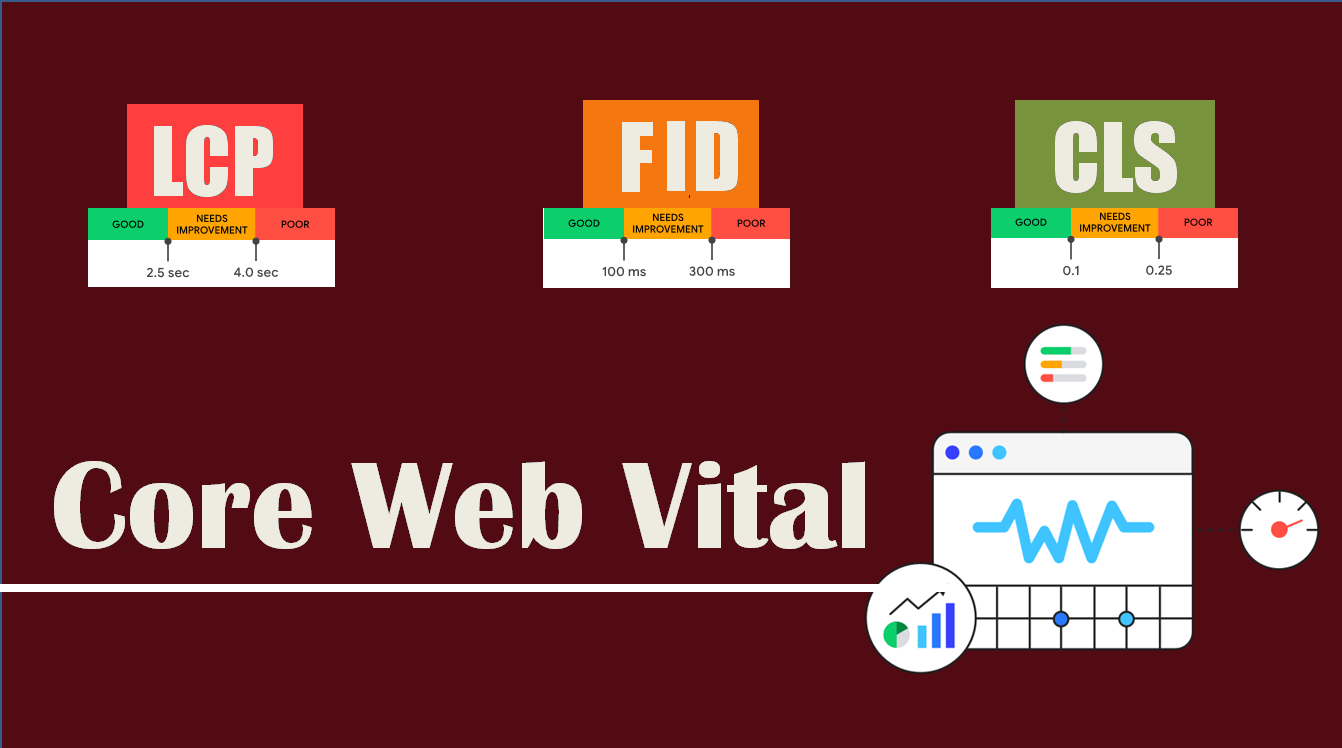
Core Web Vitals matter because they reflect how your site actually feels to users. They measure load speed, layout shifts, and how quickly a page responds, factors that decide whether people stay or bounce.
Google uses these signals as trust markers. Pages that load fast, stay stable, and respond quickly rank better and convert more. In 2026, slow sites lose users and visibility fast.
To improve Core Web Vitals, focus on reducing load time and keeping pages light:
- Compress and serve images in next-gen formats
- Minify CSS and JS, and defer scripts that are not needed at launch
- Use a CDN to serve assets close to users
- Cut third-party scripts that add no real gain
- Cache pages to speed up repeat visits
- Use lazy-load for images below the fold
- Pick a fast theme and trim unused code
When you follow these steps, your shop feels sharp, loads fast on both desktop and mobile, and hits the marks Google cares about.
Find a complete Core Web Vitals guide.
Fix JavaScript Rendering Issues Affecting SEO
JavaScript rendering issues happen when search bots or users can’t see or use your page because key content loads only after JavaScript runs.
If your site relies too heavily on JavaScript, Google may initially display a blank or partially loaded page. This can delay index, hide text or links, and hurt rank. It also slows load time, which harms user trust and Core Web Vitals.
Fixes:
- Use server-side rendering for key pages
- Add pre-render for bots and users
- Keep JS files light and split them
- Load key text in raw HTML
- Delay non-key scripts
- Fix broken JS errors
- Test pages in Google Search Console
- Check render in the URL Inspect tool
Focus on Mobile-First SEO Critical for E-commerce
In 2025, smartphones accounted for nearly 80% of all retail website visits worldwide. So, mobile-first SEO is crucial for retailers.
A smooth mobile flow, fast load, clear text, menus, and clean paths keep users on the page and help you rank well.
Since Google scans and judges your site based on the mobile view, your key pages, core text, and main links all need to work great on phones. When the mobile side is sharp, both users and bots can reach the parts that spark a sale with no pain
Here’s the checklist in a clear, instructional tone with strong action verbs:
- Build a light, fast mobile layout
- Keep add-to-cart steps short and clear
- Use a sticky call-to-action, so it stays in view
- Make filters easy to tap with one hand
- Load images fast and in small file sizes
- Remove pop-ups that block the screen
Discover 20 easy steps to make your site mobile-friendly.
Implement Schema Markup for Ecommerce SEO?
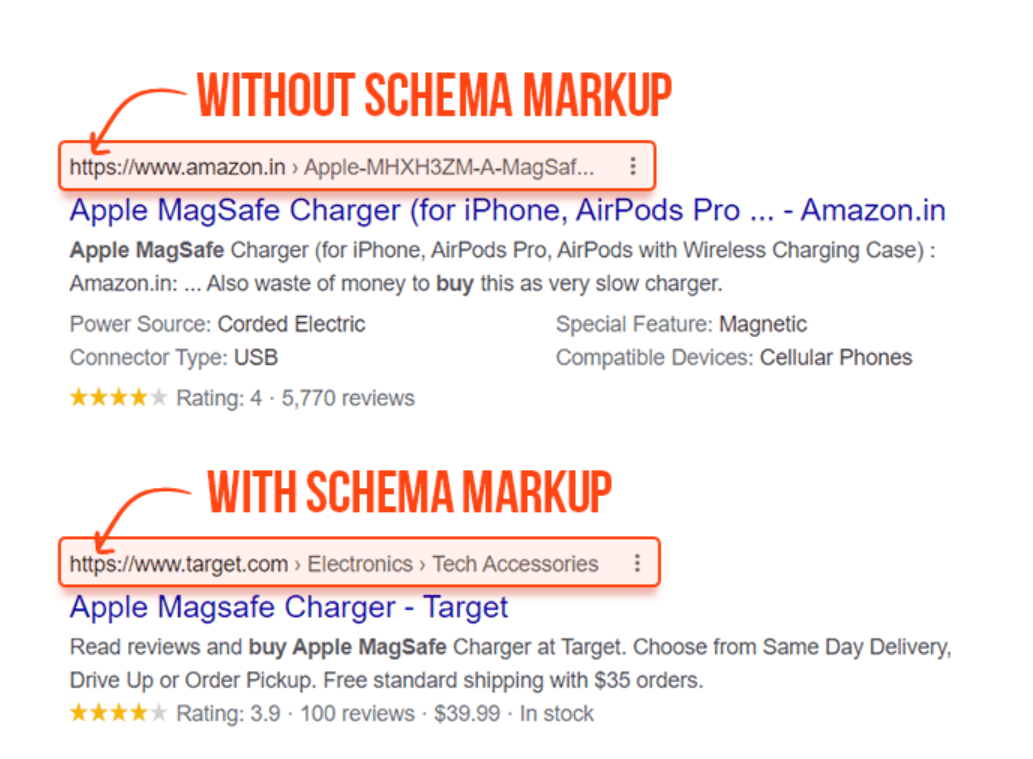
Schema markup helps search bots read your shop the way you want them to. When you add the details (listed below), Google can show rich results like star ratings, price ranges, and stock notes right on the search page.
- Clear Tags
- Product
- Review
- Offer
- Image
- Brand
- Price
- Availability
- Breadcrumb
That extra detail builds trust and draws more clicks.
Side-by-Side Comparison (eCommerce SERP Display)
| Element | ❌ Without Schema | ✅ With Schema |
| Title & Meta | ✅ | ✅ |
| Price | ❌ | ✅ |
| Ratings | ❌ | ⭐⭐⭐⭐⭐ |
| Availability | ❌ | In Stock / Out of Stock |
| Breadcrumb (SERP URL Display) | Raw / long URL path | Clean category breadcrumb |
| Visual Weight | Low | High |
| CTR | Average | Significantly Higher |
| Buyer Intent | Unclear | Strong & Immediate |
It also helps bots grasp product data fast, cut guesswork, and link your pages to the right search terms. In a crowded space where many stores look the same, a clean schema gives your products a stronger shot at standing out and winning the click.
Read about 7 important Ecommerce Schema Markups for 2026.
Also, you may also like to read Best Practices & Common Mistakes of Canonical Tags for E-commerce in 2026.
Improve Internal Linking

To boost internal linking, create a clear site structure with breadcrumbs and descriptive anchor text connecting related products or blog posts. Link high-authority pages to key conversion pages, like product pages, using relevant keywords.
This helps search engines understand how your pages relate and distributes authority across categories, subcategories, and products. Fix broken links and automate where possible to improve both SEO and user experience.
Here is why internal linking is important in 2026.
Best techniques for internal linking:
- Build category-to-product links
- Link product-to-product as “related items.”
- Add blog-to-product links in context
- Streamline mega-menu linking
- Use breadcrumbs to guide the path
- Group footer links into tight category clusters
- Create hub pages for guides and key categories
Explore the complete practices here.
Optimize Product Feed to Influence SEO and AI Rankings
Product feed optimization helps search engines and AI tools understand your products better, boosting visibility in Google Shopping, rich results, and visual search. Clear titles, accurate attributes, and proper variant grouping make your items easier to find and more likely to rank.
| Where your feed shows up | What to optimize |
| AI Overviews | Add correct GTIN |
| Shopping tab | Fill in full product attributes |
| Free listings | Write clear, keyword-led titles |
| Product-rich results | Keep stock and availability up to date |
| Visual search | Group variants under one main item |
Click for Onpage SEO for e-commerce.
Conduct Proper Keyword Research
E-commerce stores conduct keyword research by mapping buyer intent to product types and finding terms that attract and convert the right audience. The process involves identifying different keyword types, analyzing competitor strategies, and using tools to uncover high-value opportunities.
Keyword types to target:
- Category keywords: “Women’s running shoes,” “office chairs.”
Product-level keywords: “Nike Air Zoom Pegasus 40,” “LED strip light remote control.”
Long-tail keywords: “Best budget running shoes for beginners,” “ergonomic chair for back pain.”
Commercial keywords: “Best gaming laptop under $1500,” “Top protein powders for muscle gain”
Problem-solution keywords: “Shoes for plantar fasciitis,” “T-shirts that don’t shrink”
Some of the tools you can use are Google Keyword Planner, SEMrush, Ahrefs, Merchant Center Insights, Amazon data, and Competitor SERP analysis.
Learn advanced keyword research techniques for 2026.
Optimize Product Pages for Ecommerce SEO?
Optimizing product pages ensures they rank well in search, attract clicks, and convert visitors into buyers. Focus on clear information, rich content, and search-friendly elements that help both users and search engines understand your products.
Read about tips and tools for Bulk Product Optimization for Ecommerce.
Key areas to optimize:
- Titles: Use a clear, keyword-focused product name
- SEO-optimized title (brand + product + main attribute)
- AI-readable description
- Bullet-point features
- Benefits for different user groups
- High-quality images and videos
- Alt text for every media asset
- Reviews and UGC
- FAQs with schema
- Clear CTAs
- Stock status
- Pricing clarity
Read this blog and learn the top strategies for E-Commerce product page SEO you can apply in 2026.
Optimize Category Pages
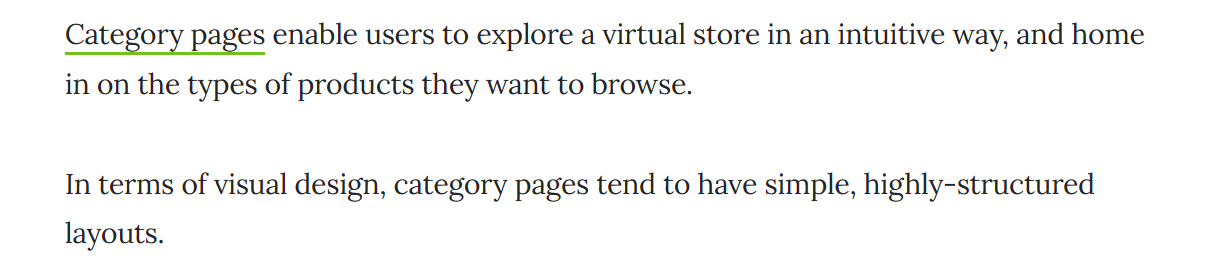
As an e-commerce brand, you should optimize category pages. Make them easy to navigate, informative, and search-friendly. Use proper organization, unique content, and SEO-focused elements to help shoppers find products quickly and improve visibility for relevant search terms.
According to SEJ:
Steps to optimize category pages:
- Add 150–250 words of descriptive content
- Include semantic keywords
- Use an H1 with both category + use-case terms
- Add internal links to subcategories
- Add segment filters (user-friendly, crawl-safe)
- Include top-rated products
- Add FAQs with schema
- Add comparison grids (optional)
Explore SEO Tactics To Optimize Ecommerce Category Pages.
Optimize UX and CRO for E-commerce SEO in 2026
Search engines now use behavioral signals, click-through rate, bounce rate, scroll depth, hesitation time, dwell time, and add-to-cart interactions to evaluate whether a page satisfies user intent.
In e-commerce, this matters even more because users expect fast, intuitive, mobile-friendly experiences. If they don’t find what they want within seconds, they leave.
Google explicitly states that poor UX = poor SEO because it signals low relevance. Fast-loading pages also rank better due to improved Core Web Vitals.
For ecommerce brands, UX + SEO alignment directly affects revenue. If your category pages rank high but fail to convert because users struggle with filters, slow rendering, or confusing layouts, you lose sales and Google interprets this as a sign of low-quality content.
Learn why UX is important for eCommerce SEO in 2026.
UX Issues Damage SEO Performance
Precise UX is crucial. Just a monitor issue and UX can signal Google that your page does not satisfy intent, triggering ranking drops. And the result will be:
- Excessive pop-ups
- Aggressive discount overlays
- Slow mobile load
- Poorly optimized images
- Confusing category hierarchy
- Hard-to-use filters
- No clear product differentiation
- Breadcrumbs missing
- Thin product descriptions (user frustration)
You should note that search engines detect low-quality UX through high pogo-sticking, low dwell time, short session duration, low interaction events and low scroll depth.
UX Improvements Increase Rankings and Conversions
Improving UX boosts both rankings and revenue. Strong UX helps shoppers find what they need fast, stay on the site longer, and check out with less friction. Search engines pick up on these signals like lower bounce rates and higher engagement, which boost rankings and build trust.
Key UX improvements that lift performance include:
- Simplifying the add-to-cart journey
- Adding product comparison features
- Improving visual hierarchy
- Adding trust badges
- Enhancing filter and sort options
- Reducing steps in checkout
- Using sticky cart buttons
- Adding video demos
- Clarifying shipping/return policies
Use Programmatic SEO Effectively?
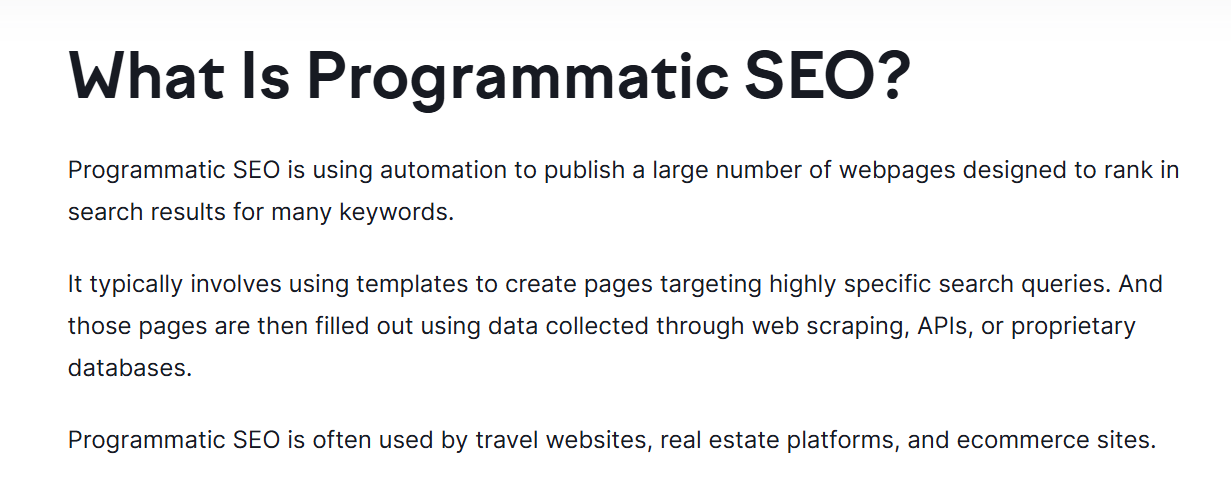
Programmatic SEO is a way to create many search pages at scale using data and rules. Instead of writing each page by hand, you use templates and data like lists, prices, specs, or locations. Each page targets a clear search need. When done right, every page still feels useful and natural.
It works best for e-commerce, SaaS, and market sites where users search in patterns. The key is clean data, strong page layout, and real value—not thin or copy-paste pages.
As an e-commerce brand, you should focus on using programmatic SEO to scale content and target more keywords without manually creating every page. Automate page generation with templates and structured data, cover large inventories, variants, and long-tail queries efficiently.
According to SEMRush:
Steps to use programmatic SEO effectively:
- Identify scalable opportunities: Focus on categories, product variants, and long-tail queries
- Use templates: Automatically insert product data, attributes, and CTAs into pages
- Optimize metadata dynamically: Generate titles, meta descriptions, and headers based on key attributes
- Apply structured data: Add schema to support rich results for all automated pages
- Monitor and refine: Track rankings, clicks, and conversions to improve templates and keyword targeting
Scale pages across:
- Style combinations
- Color variants
- Comparison pages
- Alternatives pages
- Location pages
- Attribute pages
Use Analytics for SEO and Revenue Optimization
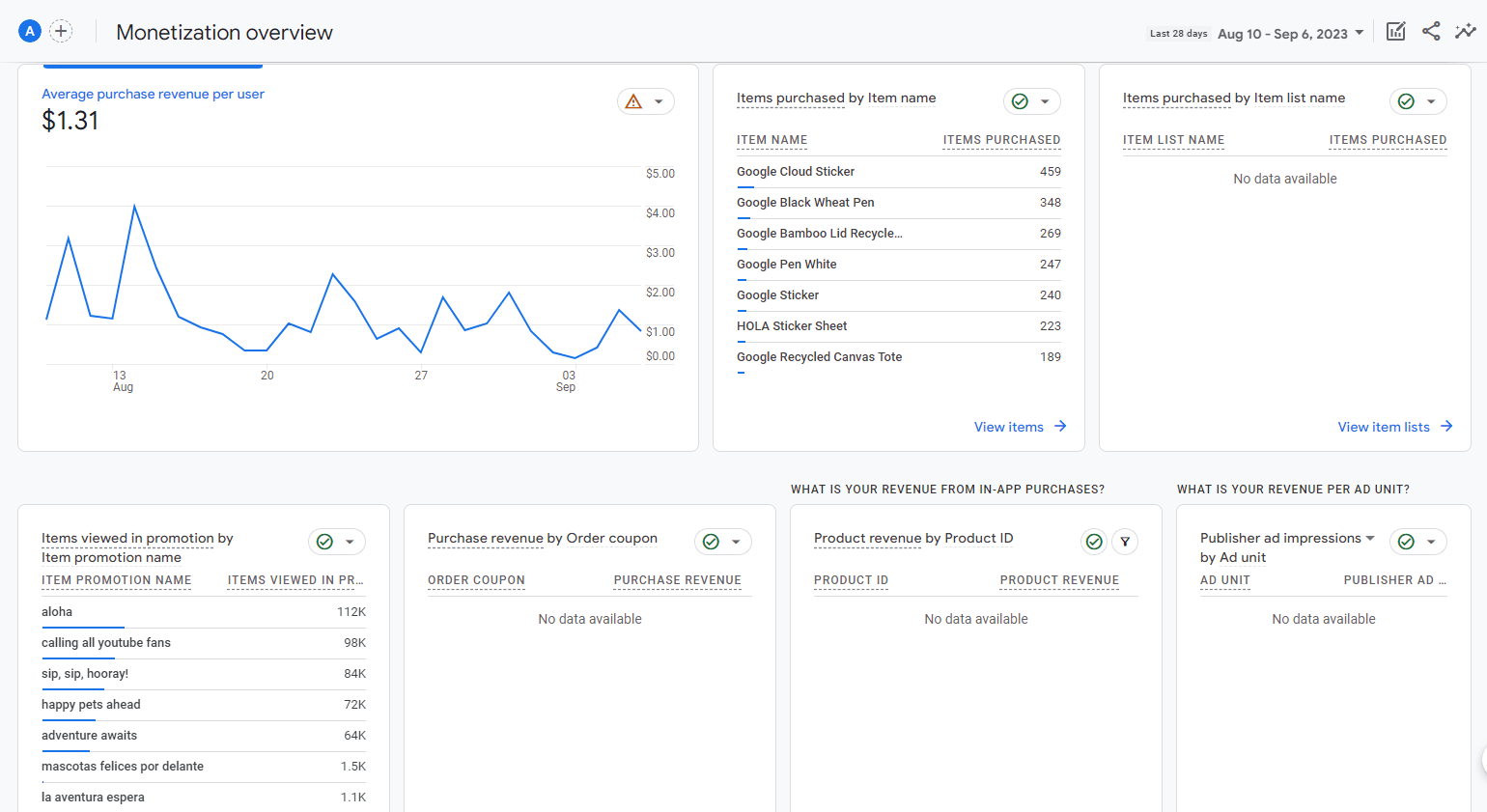
Like your competitors, use analytics to spot what drives traffic, what slows down sales, and where users drop off. By tracking real behavior, stores can fine-tune pages, fix weak spots, and push more visitors toward checkout. This mix of data and action helps boost both rankings and revenue.
With GA4, server-side tracking, and AI referral detection, you can understand which SEO initiatives drive revenue, not just traffic. Here is what you should analyze:
- Product impressions
- Category impressions
- Add-to-cart events
- Checkout events
- Purchase data
- Scroll depth tracking
- Page speed metrics
- Internal search usage
- High-exit pages
- SKU-level organic revenue
Click for a guide to Setting Up Google Analytics (GA4)
Implement Tracking Essentials
Ecommerce stores rely on core tracking setups to measure performance, spot issues, and guide smarter SEO and revenue decisions. With the right tracking in place, brands see how shoppers move, what they click, and where the buying journey breaks.
Tracking essentials must include:
- Enhanced E-commerce tracking
- Product click data
- Product impression tracking
- Internal search reporting
- Checkout funnel analysis
- Add-to-cart event monitoring
- Coupon usage
- Attribution modeling
- Scroll depth and rage-click tracking
For tracking essentials, you can use tools like Google Analytics 4, Google Search Console, Google Merchant Center, Hotjar, Clarity and Server-side tagging solutions.
Do you know Google AI Mode Traffic Now Appears in Search Console Data? Click to learn.
Solve SEO Attribution Challenges
Solve attribution challenges by connecting data across tools, clarifying touchpoints, and tracking how organic traffic assists conversions. This helps see the real impact of SEO on revenue, even when buyers take long, multi-step paths.
Usually, SEO rarely gets full credit in last-click attribution. Many users discover via SEO but convert through direct, email, or affiliate channels.
Here is how you can fix SEO attribution gaps:
- Use data-driven attribution
- Analyze assisted conversions
- Track post-view behavior
- Use UTM tagging for internal experiments
- Combine GA4 + Search Console data
- Use cohort analysis
Struggling with slow pages, crawl errors, or lost rankings? Let our technical SEO experts fix your store and turn traffic into sales.
Build Authority Through Off-Page SEO
Focus on building authority through off-page SEO by earning trust signals and backlinks that show search engines their site is credible and relevant.
Strong off-page efforts improve rankings, drive referral traffic, and strengthen brand reputation.
Steps to build off-page authority:
- Earn high-quality backlinks: Partner with industry blogs, review sites, and publications
- Leverage influencer collaborations: Get mentions and links from trusted voices in your niche
- Encourage user-generated content: Reviews, testimonials, and social shares signal credibility
- Participate in forums and communities: Engage where your audience seeks advice or recommendations
- Monitor brand mentions: Track unlinked mentions and request attribution to gain backlinks
- Digital PR: Secure coverage in news outlets and industry publications
- Influencer mentions: Collaborate with niche influencers for exposure and links
- Brand searches: Encourage branded searches through marketing campaigns
- Social signals: Share content on social media to increase visibility and engagement
- Affiliate content: Partner with affiliates to generate backlinks and traffic
- Review site mentions: Gain mentions and links from trusted review platforms
Here is a solid off-page SEO guide for eCommerce. Click to explore them.
Mention Brand to Influence E-commerce SEO
Brand mentions signal credibility and relevance to search engines, even if they don’t include a direct link. Frequent, positive mentions across the web can boost authority, improve rankings, and increase trust among potential customers.
Google uses brand mentions as authority signals. Brand-building tactics include the following:
- Press releases
- Partnerships
- Influencer testimonials
- Community engagement
- Social media visibility
Read More: How to Increase Brand Mentions and Citations
Choose Affiliate SEO to Support Organic Growth
Affiliate SEO helps e-commerce brands expand reach and earn authoritative backlinks through partner sites. By optimizing affiliate content for search, brands drive organic traffic, increase visibility, and improve rankings without relying solely on in-house content.
Affiliates create comparison-based content that supports your SEO.
Here are practical tips that work for affiliate SEO, even in a crowded space:
- Pick low-intent traps, high-intent terms
- Focus on “best,” “vs,” and “review” queries
- Write honest pros and cons
- Add real use cases and limits
- Use clear tables and quick scans
- Link only to trusted brands
- Avoid thin or spun pages
- Add fresh updates often
- Match search intent, not word count
- Build trust with a clean site and fast load
When you implement affiliate SEO successfully, you will enjoy Increased link equity, More SERP real estate, Brand credibility, and Referral traffic.
Optimize for International SEO?
Since you’re an e-commerce brand with a global presence, you should focus on optimizing for international SEO, also. Tailor your site structure, content, and technical setup to target multiple countries and languages.
Proper implementation improves visibility in local search results, drives qualified traffic, and reduces duplicate content issues.
Explore Practices Of International SEO For E-commerce Sites
Use Hreflang Tags Correctly
Hreflang tags prevent duplicate content issues across regions and languages. Use it to signal the correct language or regional version of a page to search engines.
Proper use prevents duplicate content issues and ensures visitors see the right version of a page for their location or language.
Steps to use hreflang tags correctly:
- Always use absolute URLs
- Maintain return tags
- Use correct region codes (en-GB, en-US)
- Avoid unsupported locales
Click here to understand Hreflang Country Codes.
Adopt the Best URL Strategy for International Stores
The best URL strategy for international ecommerce stores organizes content clearly by country and language, helping both users and search engines find the right pages. A well-structured URL also supports hreflang implementation and prevents duplicate content issues.
Key strategies for international URLs:
- Country-specific domains (ccTLDs): Example: example.fr for France, example.de for Germany
- Subdirectories: Example: example.com/fr/ for French pages, example.com/de/ for German pages
- Subdomains: Example: fr.example.com or de.example.com
- Consistent structure: Keep paths uniform across regions for easier management
- Avoid query parameters for language: Use clear folder or domain structures instead
- Combine with hreflang tags: Signal language and region for each page
Options:
- Subfolders (/us/, /uk/)
- Subdomains (us.site.com)
- ccTLDs (site.uk)
Subfolders are usually best for SEO.
Localize Currency and Pricing
Your e-commerce stores must display prices and currency based on the visitor’s location. This improves user experience, reduces cart abandonment, and supports local SEO signals. Clear localization helps shoppers trust the site and make faster purchasing decisions.
See the Amazon page that displays prices in Indian Currency in India, instead of dollars.
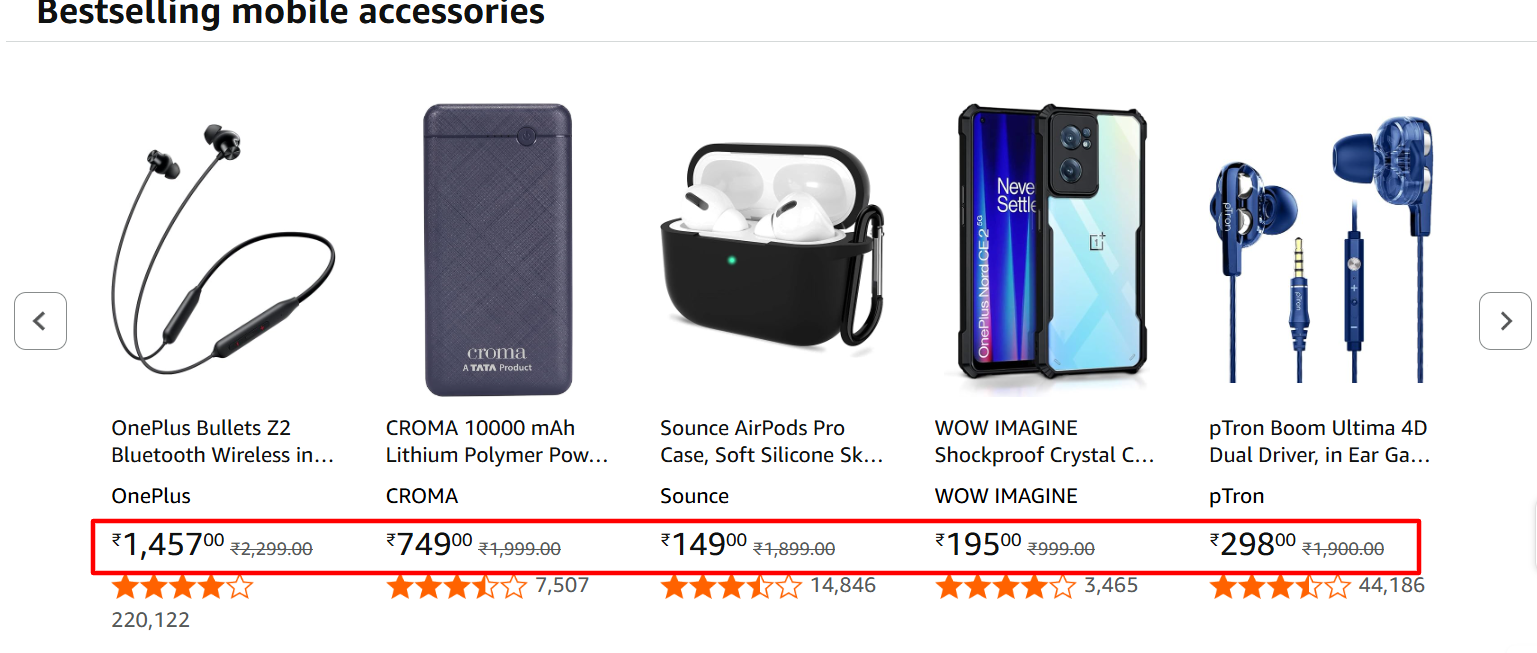
For localization, you may require multi-currency support, local pricing rules, regional offers, local payment options, and address-format compatibility.
Optimize Ecommerce Stores on Shopify, WooCommerce, Magento, and BigCommerce
Each e-commerce platform has its own quirks, but the goal stays the same: make your store fast, clean, and easy for search engines to crawl. When you tailor SEO to the strengths and limits of each system, you boost visibility and make it simpler for shoppers to find what they want.
| Shopify | WooCommerce | Magento | BigCommerce |
| Use fast, lightweight themes | Pick an SEO-friendly theme like Astra or GeneratePress | Use built-in caching features and Varnish | Use Stencil themes for speed |
| Compress images and limit app bloat | Use caching plugins like WP Rocket for faster load times | Optimize layered navigation to avoid duplicate URLs | Add custom category and product descriptions |
| Add unique content to collections and product pages | Optimize the database and reduce plugin overload | Add custom attributes for richer product data | Optimize faceted navigation with canonicals |
| Fix duplicate content from filters with canonicals | Add unique category copy to avoid thin content | Improve image load with WebP and lazy loading | Enable automatic image optimization |
| Use structured data apps or custom JSON-LD | Implement schema using SEO plugins | Use Magento’s structured data modules | Add JSON-LD schema through theme files |
How Shopify Stores Fix Their Most Common SEO Problems

Shopify stores run into a few predictable SEO issues, from duplicate URLs to slow load times. Fixing these early helps search engines crawl the site cleanly and gives shoppers a smoother path to buy.
Fixing the most common Shopify SEO problems and their solutions:
Problems:
- Duplicate URLs (collection/product)
- Excessive app scripts
- Slow themes
- Limited schema
- Duplicate content from tags
- Weak filtering systems
Solutions:
- Use canonical tags properly
- Limit apps
- Use custom liquid sections for schema
- Optimize image loading
- Simplify the collection hierarchy
- Fix pagination structure
Click to learn how an eCommerce SEO Agency helps Shopify Stores Rank Higher and Sell More.
How WooCommerce Stores Improve SEO Performance?

WooCommerce stores can enhance their SEO by optimizing plugins, refining site structure, and ensuring pages load quickly. The platform is flexible, but that also means you need to keep things lean so search engines and shoppers don’t get bogged down.
Ways WooCommerce stores improve SEO:
Problems:
- Slow hosting
- Plugin bloat
- Poor permalink structure
- No default caching
- Weak image optimization
Solutions:
- Switch to fast hosting
- Use lightweight themes
- Limit plugins
- Use server-level caching
- Implement proper permalink rules
- Use image compressors
To know how WooCommerce SEO Boosts Your Ranking, click here.
How Magento Stores Improve SEO Scalability?

Magento stores enhance SEO scalability by maintaining their large catalogs in a clean, fast, and easily crawlable state for search engines. When you control duplicates, strengthen product data, and automate routine SEO tasks, the platform can handle growth without slowing down performance.
Fixing the most common Magento issues to improve SEO scalability.
Magento issues:
- Complex layered navigation
- Duplicate URLs
- Heavy database load
- Overly complex architecture
Solutions:
- Disable unnecessary parameters
- Simplify layered navigation
- Use flat categories
- Optimize indexing configuration
- Implement advanced caching
Explore Magento SEO in 2026.
How BigCommerce Stores Maximize SEO Performance?

BigCommerce stores improve SEO by working around platform limits like rigid templates and restricted URL control and focusing on clean structure, strong product data, and consistent internal linking. With the right setup, the platform can support fast growth without losing search visibility.
Fixing the most common BigCommerce challenges to improve SEO performance.
Challenges
- Limited URL control
- Template constraints
- Less flexibility in category structure
Fixes:
- Improve template hierarchy
- Customize schema with scripts
- Optimize product attributes
- Use redirects to clean URL inconsistencies
- Improve internal linking
- Implement faceted navigation rules
Explore in detail BigCommerce SEO Guide 2026: Strategies to Rank and Grow.
What to know which eCommerce platform Is Best for SEO in 2026? Click here.
Learn How E-commerce Brands Manage Long-Term SEO and Scaling?
Long-term SEO for e-commerce isn’t about one-time fixes. It’s about building a system that grows with your catalog, your traffic, and your customers.
As stores expand, they focus on clean architecture, strong content pipelines, and ongoing data analysis to keep rankings stable and revenue rising.
Core components of long-term SEO scaling that brands focus on:
- Monthly audits to catch duplicate URLs, broken links, and indexing issues
- Content refreshes to keep top pages updated and aligned with search trends
- Speed monitoring to ensure new apps, images, or scripts don’t slow the site
- Schema monitoring to verify product, review, and offer markup stays accurate
- Product feed sync to keep attributes, pricing, and availability up to date
- Stock-level SEO rules to handle out-of-stock items without losing rankings
- Reviews strategy to improve credibility and click-through rates
- Category restructures to maintain clean navigation as product lines grow
What Makes Ecommerce SEO More Complex Than Traditional SEO?
E-commerce SEO is trickier because it deals with hundreds or thousands of product pages, each needing unique content, keywords, and structure. Unlike a regular website, there’s inventory to manage, seasonal trends, user reviews, and product variants – all of which affect rankings.
Plus, search engines weigh user behavior, site speed, and mobile experience more heavily, making e-commerce SEO a constant balancing act rather than a one-time setup.
Key Complexity Factors in E-commerce SEO include:
- Managing massive Scale and duplicate content
- Managing Transactional vs. Informational Keywords
- E-commerce requires advanced technical SEO
- Experts have to focus on site speed, mobile-friendliness, crawl budget, and complex structures like filters (faceted navigation) that traditional sites rarely need.
- optimizing the entire path to purchase, including product descriptions, reviews, images, and the checkout process, directly impacting revenue.
- Implementing Product Schema is vital for rich snippets (price, reviews in search results).
Click to learn about AI-Powered E-Commerce SEO Vs. Traditional SEO
E-commerce Websites Create Technical SEO Challenges
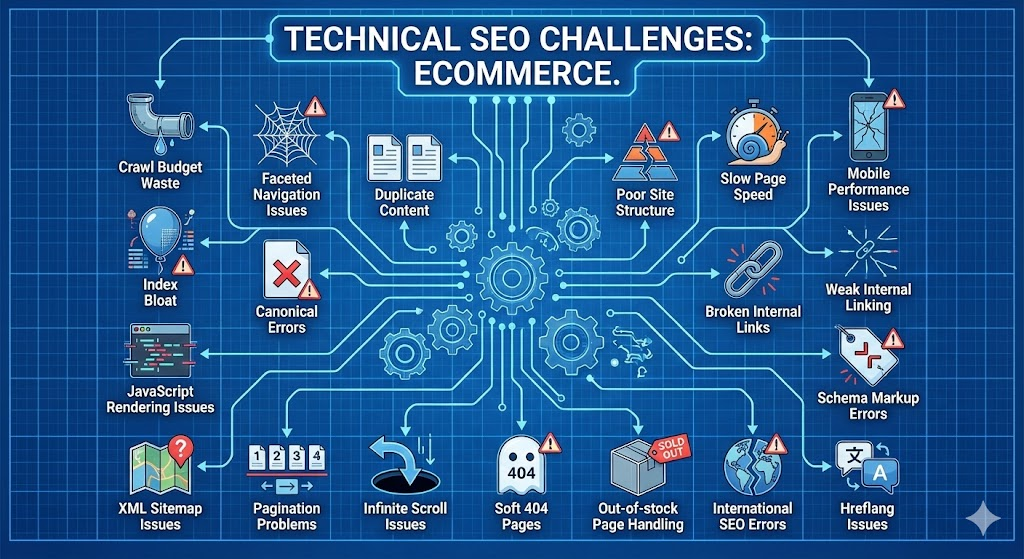
Since e-commerce websites generate thousands of URLs, it makes technical SEO more complex than traditional SEO.
Thousands of URLs require due to:
- Variants
- Filters
- Colors
- Sizes
- Facets
- Internal search results
- Pagination
- Dynamic sorting
- Collections/tags
- Apps or plugins
This creates duplicate content, indexing waste, crawl inefficiency, and diluted ranking signals that further lead to technical SEO challenges.
Example:
A fashion retailer with 8 color variants can unintentionally create 80+ indexable URLs per product. This causes huge crawl waste until canonicalization rules are applied.
Ecommerce SEO requires:
- Clean architecture
- Smart URL governance
- Crawl rules
- Canonical strategy
- Structured schema
- Feed + page alignment
- Fast page load speeds
This complexity is why ecommerce SEO cannot be handled like normal SEO. It requires platform expertise, automation, and precise technical execution.
Is SEO the Highest-ROI Channel for Ecommerce Brands?
One of the very prominent questions being asked is “ Is SEO the Highest-ROI Channel for Ecommerce Brands?
The answer is simple ‘YES.’ SEO delivers high ROI.
How?
It attracts buyers who are ready to purchase. Unlike paid ads, top-ranking pages keep driving traffic without extra cost.
This steady flow of targeted visitors boosts sales, cuts marketing spend, and builds trust. These all make Search Engine Optimization the most cost-effective channel for e-commerce brands.
Let’s break it down in detail.
SEO Reduces Paid Acquisition Dependency?
No doubt, paid ads have been the easiest acquisition channel, but rising CPCs and attribution gaps have made it unstable.
Since 2024, CPC has risen 17–28% YoY.
Meanwhile, because of privacy laws, ad blockers, and tools like iOS tracking restrictions, traditional cookie-based tracking captures only about 40% of real user activity.

SEO reduces dependency on paid ads. It lets you escape from paid dependency by creating passive, high-intent acquisition where customers discover your site through organic and AI sources, not ads.
With SEO, you can generate:
- Lower long-term CAC
- Higher conversion rates
- Stronger trust
- Long-term compounding growth
- Higher LTV
- Better brand recall
That ability to drive consistent revenue while reducing acquisition costs is what makes SEO the highest-ROI channel for ecommerce brands.
Read on to learn Revenue-Driven Ecommerce SEO: How To Tie Organic Search to Profit.
What SEO Tools Should Ecommerce Brands Use in 2026?
E-commerce SEO in 2026 is less about guesswork and more about smart data. You need tools that track search intent, product trends, and AI-driven results while keeping a close eye on tech health and feed accuracy.
| Category | Tools |
| Technical tools | Screaming Frog, Sitebulb, DeepCrawl, and log file analyzers |
| Keyword / Content | SEMrush, Ahrefs, Google Trends, AnswerThePublic |
| AI tools | ChatGPT 5.1, Gemini, Perplexity Pro |
| UX tools | Hotjar, Clarity |
| Analytics | GA4, Looker Studio, Search Console, Merchant Center |
What Is the Complete E-commerce SEO Checklist for 2026?
If you want your store to stay sharp in 2026, think of this checklist as your tune-up list. It keeps your shop fast, clear, and in sync with how folks search today.
The table below gives you a quick, at-a-glance view of the core SEO areas that matter for e-commerce and the actions tied to each one. It’s useful for audits and planning because you can spot gaps fast and see where effort will drive the most impact.
| SEO Area | Technical | On-Page | Content | Off-page | UX | Analytics |
| Key actions | Clean URL Structure | Optimize product titles | Build topic clusters | Secure high-quality backlinks | Improve filters | Track product |
| Fix Duplicate Content | Write attribute-rich descriptions | Add comparison pages | Improve brand mentions | Optimize mobile UX | Impressions | |
| Improve Speed | Improve category copy | Create buying guides | Add sticky CTAs | Learn from GSC data | ||
| Apply Schema | Add internal links | |||||
| Optimize Feeds |
Real Case Studies Showing E-commerce SEO Success
Case Study 1: PlushBeds Drove 753% AI Traffic Growth in 2025
PlushBeds partnered with ResultFirst in early 2025 to modernize its SEO for AI-driven search
A few targeted fixes unlocked major growth.
- 753% increase in LLM (AI platform) traffic in 5 months (Feb–June 2025) across ChatGPT, Gemini, and Perplexity.
- A 950% jump in AI Overview appearances during the same period.
- 40% organic search growth overall — showing that AI-focused optimization also boosted classic SEO
For the full PlushBeds case study, click here.
Case Study 2: Codewars Grew 22× Growth in AI Traffic
Codewars partnered with ResultFirst in 2025 to optimize its content for AI‑driven search, focusing on visibility inside large language model tools like Copilot, ChatGPT, and Gemini. A few targeted content and structural changes helped turn previously hidden developer content into AI‑ready answers.
Result?
- 22× increase in Copilot traffic over 3 months (April–June 2025), going from almost invisible to a go‑to coding resource inside AI tools.
- 74% rise in Gemini‑sourced traffic in the same period.
- 16% overall growth in AI‑driven sessions including increases in ChatGPT and zero‑click visibility.
For full access to the Codewars LLM SEO Case Study, click.
Case Study 3: GMAT Club Saw 199% ChatGPT Traffic Growth in 6 Months
GMAT Club contacted ResultFirst to shift its SEO strategy toward AI‑driven search, focusing specifically on visibility inside generative tools like ChatGPT and other large language model platforms.
Result?
- 199% increase in ChatGPT traffic between January and June 2025
- 161% overall growth in AI‑driven sessions across platforms like Copilot, Perplexity, and AI Overview results in the same 6‑month period.
- Copilot traffic exploded by 13,300% from a low base, showing the power of AI‑centric optimization on emerging channels.
Click to explore the full GMAT Club LLM SEO Case Study.
Case Study 4: Clovia Witnessed 20% Traffic Growth & 35% Higher Conversions
Clovia associated with ResultFirst to strengthen its SEO and link‑building efforts, aiming to boost visibility and engagement in a competitive e‑commerce space.
A combination of strategic backlink growth, technical fixes, and UX improvements by ResultFirst helped scale organic presence and user experience.
- 20% increase in organic site traffic after link building and overall SEO enhancements.
- 35% higher conversion rates from improved search visibility and optimized navigation.
- 50% reduction in bounce rate following structural and technical improvements that complemented link‑building.
Click for full access to the Clovia case study.
Why Should Ecommerce Brands Partner With a Performance-Focused, AI-Driven SEO Agency?
Because a Performance-Focused, AI-driven ecommerce SEO Agency delivers real, measurable results instead of guesswork. They scale SEO efficiently across hundreds of products, tie strategies directly to revenue and ROI, and optimize content faster using AI tools.
These agencies adapt proactively to algorithm changes, keeping your brand ahead of competitors. In short: you get smarter insights, higher conversions, and growth that’s trackable, not theoretical.
As a performance-driven e-commerce SEO agency, ResultFirst helps e-commerce brands:
- Reduce acquisition costs
- Dominate category rankings
- Improve product visibility in AI Overviews
- Accelerate organic conversions
- Fix complex technical issues
- Scale content at the enterprise level
- Build trust, authority, and brand recall
ResultFirst specializes in performance-led SEO for ecommerce brands aiming to improve organic revenue, rank top 3 for competitive keywords, and build sustainable growth systems. If you’re looking for the best performance SEO agency or a top AI-driven ecommerce SEO partner, ResultFirst provides strategic execution that drives measurable results.
Check how PFP SEO agencies can boost your e-commerce sales.
FAQ’s:
WHAT TO READ NEXT
READY TO BUILD PREDICTABLE ORGANIC GROWTH?
We are the only TOP SEO services agency providing Real Results in a Real Performance model. We help growth hungry companies outperform their competition and achieve 300%+ growth in their digital marketing initiatives.
- San Jose, CA, 95120

- +1-888-512-1890

- sales@resultfirst.com

300K+
KEYWORDS RANKED
546M+
REVENUE GENERATED
18 Years
SOLVING COMPLEX SEO
150+
TEAM MEMBERS